
The 2000s aesthetic is back, and it’s not just nostalgia. From glossy finishes and bold accent walls to low-slung furniture and graphic patterns, Y2K interior design offered a distinct break from the earth tones of the ’90s. Whether someone lived through it or discovered it on social media, recreating this look requires more than inflatable chairs and lava lamps. It’s about understanding the materials, proportions, and DIY techniques that defined the era. This guide walks through the signature elements of 2000s design and shows how to adapt them for today’s homes without turning a living room into a time capsule.
Key Takeaways
- 2000s interior design is defined by bold accent colors, metallic finishes, and low-profile furniture that breaks from the minimalism trend with intentional, unapologetic maximalism.
- Recreating Y2K aesthetic requires focusing on signature elements like deep jewel-tone walls, brushed nickel hardware, and geometric patterns rather than replicating every trend from the era.
- Proper surface preparation, including spackle, sanding, and primer application, is essential when painting accent walls to achieve the signature high-gloss 2000s sheen.
- Incorporate 2000s style selectively through low-profile sectionals, glass-top coffee tables, oversized canvas art, and frosted glass fixtures to add personality without making a space feel like a time capsule.
- Floating furniture arrangements and open-concept layouts remain relevant today when area rugs extend 12-18 inches beyond furniture edges to ground the space and maintain visual balance.
What Defined 2000s Interior Design?
The early 2000s marked a shift toward bold experimentation. Minimalism hadn’t yet taken over, and maximalism wasn’t ironic, it was aspirational. Interiors leaned heavily on high-gloss surfaces, metallic accents, and a mix of organic curves with sharp geometric shapes.
Open-concept layouts gained traction as homeowners knocked down walls between kitchens and living areas. This wasn’t just aesthetic, it reflected changing lifestyles. Entertainment centers became focal points, housing bulky CRT TVs and DVD collections.
Texture played a major role. Faux finishes like sponge painting, rag rolling, and metallic glazes were DIY staples. These techniques added depth to flat drywall and didn’t require professional skills, just patience and a willingness to experiment.
Technology influenced design choices. Sleek, futuristic elements appeared in home offices and media rooms. Chrome, frosted glass, and acrylic became go-to materials for furniture and accessories, reflecting the optimism of the digital age.
Iconic Color Palettes and Materials of the 2000s
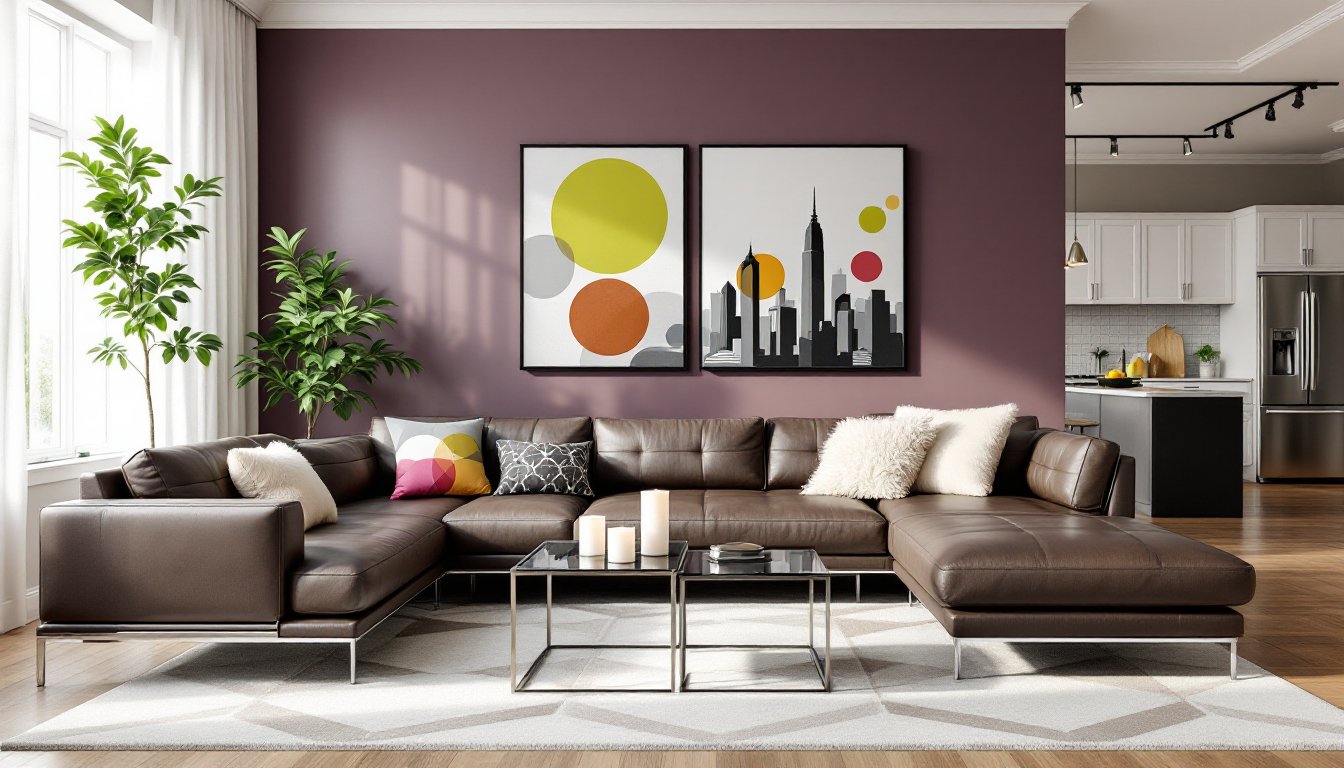
Color choices in the 2000s were unapologetically bold. Accent walls in deep jewel tones, eggplant purple, chocolate brown, burnt orange, created drama against neutral backdrops. Lime green and hot pink appeared as pops of color in accessories and smaller spaces like powder rooms.
Neutral bases typically included taupe, beige, and cream, but these weren’t the warm, cozy neutrals of today. They leaned cooler, often paired with gray undertones. White trim was standard, creating crisp contrast against darker wall colors.
Metallic finishes dominated hardware and fixtures. Brushed nickel replaced brass almost universally, appearing on door handles, faucets, and light fixtures. Chrome and stainless steel carried the same modern, industrial vibe into kitchens and bathrooms.
Material choices reflected the era’s fascination with modern design inspiration that blended industrial and organic elements. Frosted glass appeared in cabinet doors, room dividers, and light fixtures. Laminate flooring in cherry or maple tones offered an affordable alternative to hardwood, though installation quality varied, underlayment and acclimation were often skipped, leading to buckling and gaps.
Faux leather (often called pleather) showed up everywhere, ottomans, sectional sofas, bar stools. It was budget-friendly and easy to clean, though it didn’t age well. Real leather in espresso brown or black became a status symbol for mid-range furniture pieces.
Key Furniture Styles and Layout Trends
Low-profile furniture defined 2000s living rooms. Platform beds sat inches off the floor, eliminating the need for box springs. Sectional sofas featured low backs and wide seats, prioritizing lounge-ability over formal seating.
Modular furniture allowed for flexible arrangements. Cube storage systems, often in black or white laminate, could be stacked or rearranged. These units worked well in small apartments and dorm rooms but required wall anchoring in homes with kids, tip-over hazards were real.
Glass and metal coffee tables replaced wood. Tempered glass tops on chrome frames kept sight lines open in smaller spaces, though they showed every fingerprint. For DIY projects, tempered glass must be ordered to size, cutting it yourself isn’t an option after tempering.
Floating furniture arrangements pulled seating away from walls, creating conversation zones in open-concept spaces. This required careful planning, area rugs needed to extend at least 12-18 inches beyond furniture edges to avoid a “floating island” look.
Entertainment centers were massive, designed to house CRT TVs weighing 100+ pounds. Today’s flat screens make these units obsolete, but the proportions matter when recreating the aesthetic, oversized media consoles still work with modern tech if styled correctly.
Popular Decor Elements and Accessories
Wall art went big and bold. Oversized canvas prints, often abstract or architectural photography, hung as single statement pieces rather than gallery walls. Three-panel triptychs were especially popular, typically depicting cityscapes or nature scenes in black and white.
Decorative pillows in geometric patterns and faux fur textures piled on sofas and beds. Mixing patterns was encouraged, as long as the color palette stayed coordinated. Throw pillows typically measured 18×18 or 20×20 inches, larger than today’s standard decorative pillows.
Candles and candle holders appeared on every surface. Tall, cylindrical glass hurricanes grouped in threes created visual impact on mantels and dining tables. Flameless LED candles weren’t widely available yet, so real wax and open flames were the norm, fire safety wasn’t always top of mind.
Fake plants in glossy ceramic pots provided greenery without maintenance. Bamboo stalks in tall glass vases filled corners and empty floor space, reflecting the era’s interest in feng shui and Asian-inspired design.
Mirrors served double duty, they reflected light and made small spaces feel larger. Frameless, beveled-edge mirrors in geometric shapes (circles, ovals, rectangles) hung in entryways and dining rooms. Installation required proper wall anchors rated for the mirror’s weight, toggle bolts for drywall, masonry anchors for brick or concrete.
How to Incorporate 2000s Style into Modern Homes
Recreating the Y2K aesthetic doesn’t mean replicating every trend. Cherry-pick elements that add personality without overwhelming the space.
Start with an accent wall. Choose one wall in a living room or bedroom and paint it a deep, saturated color, charcoal gray, navy, or burgundy. Use a satin or semi-gloss finish for that signature 2000s sheen. Proper surface prep matters: fill nail holes with spackle, sand smooth with 120-grit sandpaper, and apply primer if covering a darker color. Most interior paints cover approximately 350-400 square feet per gallon.
Add metallic hardware throughout the home. Swapping out dated brass fixtures for brushed nickel or chrome updates kitchens and bathrooms quickly. Most door handles and cabinet pulls use standard screw spacing (3-inch or 96mm centers for pulls), making replacement straightforward.
Incorporate geometric patterns through textiles and area rugs. Look for circles, waves, or angular designs in coordinating colors. Rugs should be large enough that furniture front legs rest on them, for a standard sofa, that typically means at least 8×10 feet.
Modern home decor inspiration sites often showcase how to balance retro elements with contemporary minimalism. The key is restraint, one or two statement pieces per room prevent the space from feeling dated rather than intentional.
Room-by-Room 2000s Design Ideas
Living Room
Center the space around a low-profile sectional in dark leather or microfiber. Add a glass-top coffee table with a metal base. Hang an oversized canvas print or three-panel artwork above the sofa. Install track lighting or pendant lights with frosted glass shades, these require basic electrical skills and may need permits depending on local codes. If replacing existing fixtures, turn off power at the breaker and verify with a non-contact voltage tester before touching any wires.
Bedroom
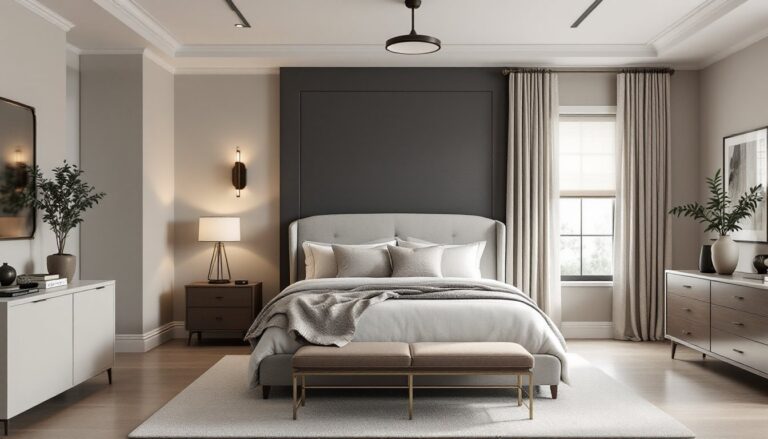
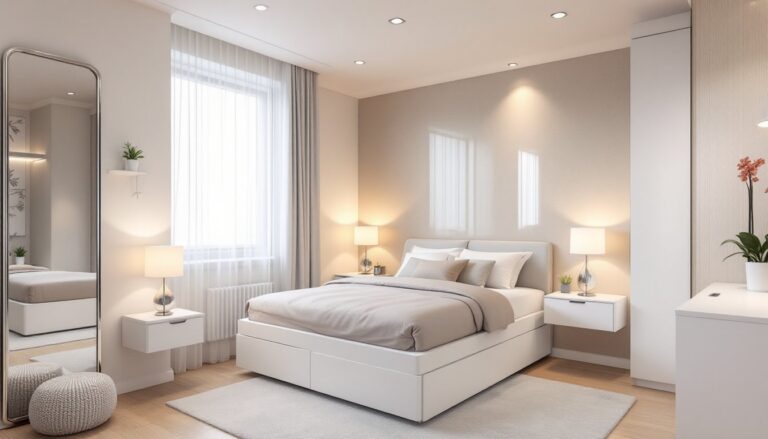
Choose a platform bed frame in espresso or black. Layer the bed with a duvet in a solid neutral color and add decorative pillows in geometric patterns. Paint one wall behind the bed in a deep accent color. Install floating nightstands, these mount directly to wall studs using French cleats or heavy-duty brackets rated for at least 50 pounds.
Kitchen
If cabinet replacement isn’t in the budget, update hardware to brushed nickel pulls and handles. Consider painting cabinets in a two-tone scheme, darker lowers, lighter uppers. This works well in kitchens with standard face-frame cabinets but requires proper deglossing and primer on laminate surfaces. Glass-front upper cabinets with interior lighting create that early-2000s display effect. Many interior design platforms showcase updated versions of this trend that feel fresh rather than outdated.
Bathroom
Replace builder-grade fixtures with brushed nickel faucets and towel bars. Add a frameless mirror with beveled edges. If retiling, consider glass or metallic accent tiles in a vertical stripe or border. Tile work requires thinset mortar, proper spacing with tile spacers, and waterproof grout, mistakes lead to water damage behind walls, so if tackling this DIY, take time to learn proper substrate prep and waterproofing membranes.
Home Office
Install floating shelves in dark wood or black laminate. Use a glass-top desk with metal legs. Add task lighting with adjustable arms in chrome or brushed metal. Cable management matters more now than in the 2000s, use raceways or desk grommets to keep cords hidden while maintaining that clean, modern look.
Conclusion
The 2000s aesthetic offers a middle ground between stark minimalism and cluttered maximalism. By focusing on bold accent colors, metallic finishes, and low-profile furniture, homeowners can capture the era’s optimistic, experimental spirit without sacrificing modern comfort. The key is selectivity, choose a few signature elements rather than trying to recreate every trend. With proper surface prep, the right materials, and attention to proportions, Y2K design translates surprisingly well into today’s homes.