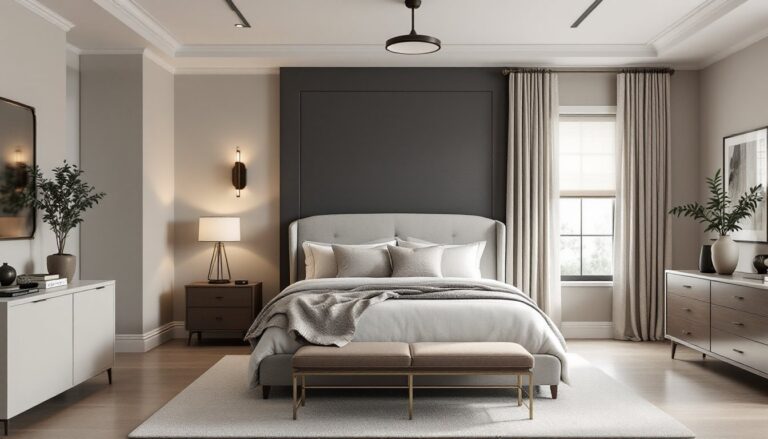


Designing a senior living facility isn’t like furnishing a suburban ranch or picking paint colors for a rental property. The stakes are higher, residents depend on thoughtful layouts, grab bar placement, and non-slip flooring to maintain independence and dignity. Whether you’re a property developer launching a new assisted living community or an administrator planning a renovation, selecting the right interior design firm makes the difference between a space that merely looks appealing and one that genuinely supports aging in place. This guide walks through what sets senior living design apart, how to vet firms with the right credentials, and what to look for in portfolios and past work.
Key Takeaways
- Senior living interior design balances safety and aesthetics by incorporating color contrast, non-slip flooring, and barrier-free layouts that enable residents to maintain independence and dignity.
- The best senior living interior design firm specializes in age-friendly environments with certifications like NCIDQ or EDAC, demonstrating expertise in ADA compliance and evidence-based design principles.
- Top firms stay current on healthcare regulations, specify safety materials like flame-retardant fabrics and antimicrobial finishes, and partner with healthcare consultants to address infection control and code changes.
- Evaluate a senior living design firm’s portfolio by visiting completed facilities, reviewing detailed photos of practical elements like bathroom hardware and flooring transitions, and requesting references from facility administrators rather than just developers.
- The right senior living interior design partner prioritizes resident-focused design decisions rooted in occupational therapy and research, not trendy finishes, ensuring layouts function effectively for residents with declining mobility and cognitive changes.
What Makes Senior Living Interior Design Unique?
Senior living interiors balance aesthetics with function in ways standard residential or commercial design doesn’t require. Designers must account for declining vision, reduced mobility, and cognitive changes like dementia or Alzheimer’s. Color contrast becomes critical, light switches, door frames, and toilet seats need to stand out against walls to prevent falls and confusion. Flooring transitions must be seamless: even a slight lip between carpet and tile can catch walkers or wheelchairs.
Lighting design shifts from ambient to task-focused. Glare-free fixtures with higher lumen output compensate for age-related vision loss, while dimmer switches allow for customization without harsh overhead brightness. Furniture selection prioritizes seat heights between 17 and 19 inches to ease standing, armrests for stability, and durable upholstery that withstands cleaning protocols.
Wayfinding also plays a larger role than in typical commercial spaces. Memory care units often use color-coded hallways, large-format signage with high-contrast text, and tactile cues to help residents navigate independently. These aren’t decorative choices, they’re rooted in occupational therapy principles and ADA compliance. A firm without experience in senior living may default to trendy finishes or open-concept layouts that look great in a portfolio but fail residents daily.
Key Qualities to Look for in a Senior Living Design Firm
Not every interior designer understands the intersection of building codes, healthcare regulations, and residential comfort. Vetting firms requires digging into credentials and project history, not just browsing Instagram feeds.
Specialized Experience in Age-Friendly Environments
Look for firms that list senior living, assisted living, or memory care as a core service line, not a one-off project. Ask how many facilities they’ve completed in the past three years and whether they’ve worked with similar scales (independent living studios vs. full continuing care retirement communities). Experienced firms speak fluently about aging-in-place design, universal design principles, and the difference between active adult communities and skilled nursing environments.
They should also demonstrate familiarity with evidence-based design (EBD), which uses research to inform layout decisions. For example, studies show that access to natural light and views of nature reduce agitation in dementia patients. A qualified firm integrates those findings into window placement, outdoor courtyard design, and interior plantings, not as add-ons, but as foundational planning.
Ask about certifications, too. Designations like NCIDQ (National Council for Interior Design Qualification), EDAC (Evidence-Based Design Accreditation and Certification), or CAPS (Certified Aging-in-Place Specialist) signal formal training in accessibility and senior-focused environments. These credentials aren’t mandatory, but they indicate a firm invests in continuing education beyond baseline licensure.
Understanding of Safety and Accessibility Standards
Senior living facilities must comply with the Americans with Disabilities Act (ADA), Fair Housing Act (FHA) standards, and local building codes that vary by jurisdiction. Designers need to know doorway widths (minimum 32-inch clear opening for wheelchair access), turning radii in bathrooms (60-inch diameter for mobility devices), and allowable threshold heights.
Beyond code minimums, top firms anticipate resident needs. They specify blocking in bathroom walls during construction for future grab bar installation, even if bars aren’t installed immediately. They avoid high-pile carpet that catches wheelchair wheels and specify slip-resistant flooring with a static coefficient of friction (SCOF) of 0.6 or higher. They design kitchenettes with adjustable-height counters and side-opening ovens to eliminate bending.
Safety extends to materials, too. Flame-retardant fabrics, antimicrobial finishes, and low-VOC paints matter in environments housing immunocompromised residents. A firm that doesn’t ask about infection control protocols or fire safety ratings during initial meetings likely lacks senior living expertise. Many interior designers specializing in senior facilities build long-term relationships with healthcare consultants to stay current on regulatory changes.
Top Senior Living Interior Design Firms Leading the Industry
Several firms have built national reputations in senior living design, though regional specialists often deliver stronger results because they understand local codes and material availability.
Perkins Eastman maintains a dedicated senior living studio with projects spanning independent living towers to memory care neighborhoods. Their portfolio emphasizes biophilic design, integrating nature through living walls, indoor gardens, and water features proven to reduce stress.
RLPS Architects focuses exclusively on senior living and has completed over 1,000 projects nationwide. They offer full programming and interior design services, from initial site planning through furniture procurement. Their work often features residential-scale common areas that avoid institutional aesthetics.
DSA Architects blends hospitality design principles with healthcare functionality, creating dining rooms and lounges that feel more like boutique hotels than nursing homes. They prioritize flexible spaces that adapt as resident acuity levels change.
Smaller, regional firms often provide more personalized service. A 10-person studio with 15 years of local senior living projects may outperform a national firm parachuting in a junior designer. Ask potential firms about their team structure, who visits the site, who selects finishes, and whether the principal designer stays involved past the contract signing.
It’s also worth noting that some general contractors and architecture firms offer in-house interior design, which can streamline coordination but may lack the specialized depth a dedicated interior firm brings. Weigh the convenience of bundled services against the risk of generic, code-minimum design.
How to Evaluate Portfolio and Past Projects
A firm’s portfolio reveals more than aesthetic style, it shows problem-solving ability and attention to operational realities.
Start by identifying projects with similar scope and budget. A firm that designed a luxury CCRC with a $50 million budget may struggle to deliver value in a mid-market renovation with $500,000 for finishes. Conversely, a firm used to tight budgets might not maximize a higher-end project’s potential.
Look for photographic evidence of the details that matter: close-ups of bathroom hardware, lighting fixtures in hallways, flooring transitions, and furniture arrangements in resident rooms. Stock photos or renderings without completed project images suggest limited build experience. Ask for addresses of completed facilities and visit if possible. Walk the hallways, check whether finishes show wear, and observe if residents actually use common spaces (unused sitting areas indicate poor planning).
Request references from facility administrators, not just developer clients. Administrators deal with daily operations, cleaning, maintenance, resident feedback, and can speak to whether design choices hold up over time. Ask references specific questions: Did the firm stay within budget? How did they handle change orders? Are there finishes or layouts you’d change in hindsight?
Review timelines, too. Senior living projects often face tight deadlines tied to financing or pre-lease commitments. A firm that routinely runs six months over schedule creates budget overruns and lost revenue. Check whether their portfolio includes occupied renovation projects, which require phased construction and infection control measures, a much tougher challenge than ground-up builds.
Finally, gauge cultural fit. Some firms lean heavily on research and data-driven design, while others prioritize client collaboration and intuition. Neither approach is inherently better, but mismatched working styles create friction. During initial meetings, note whether the firm asks questions about resident demographics, staffing models, and operational goals, or jumps straight to showing mood boards. The former signals strategic thinking: the latter suggests surface-level engagement.
Conclusion
Choosing a senior living interior design firm demands more diligence than hiring a decorator for a residential refresh. The right partner brings specialized knowledge of ADA compliance, evidence-based design, and the practical realities of long-term care environments. Prioritize firms with deep portfolios in senior living, verifiable references from facility operators, and a demonstrated understanding that good design in this sector isn’t about trends, it’s about maintaining resident dignity, safety, and independence for years to come.