
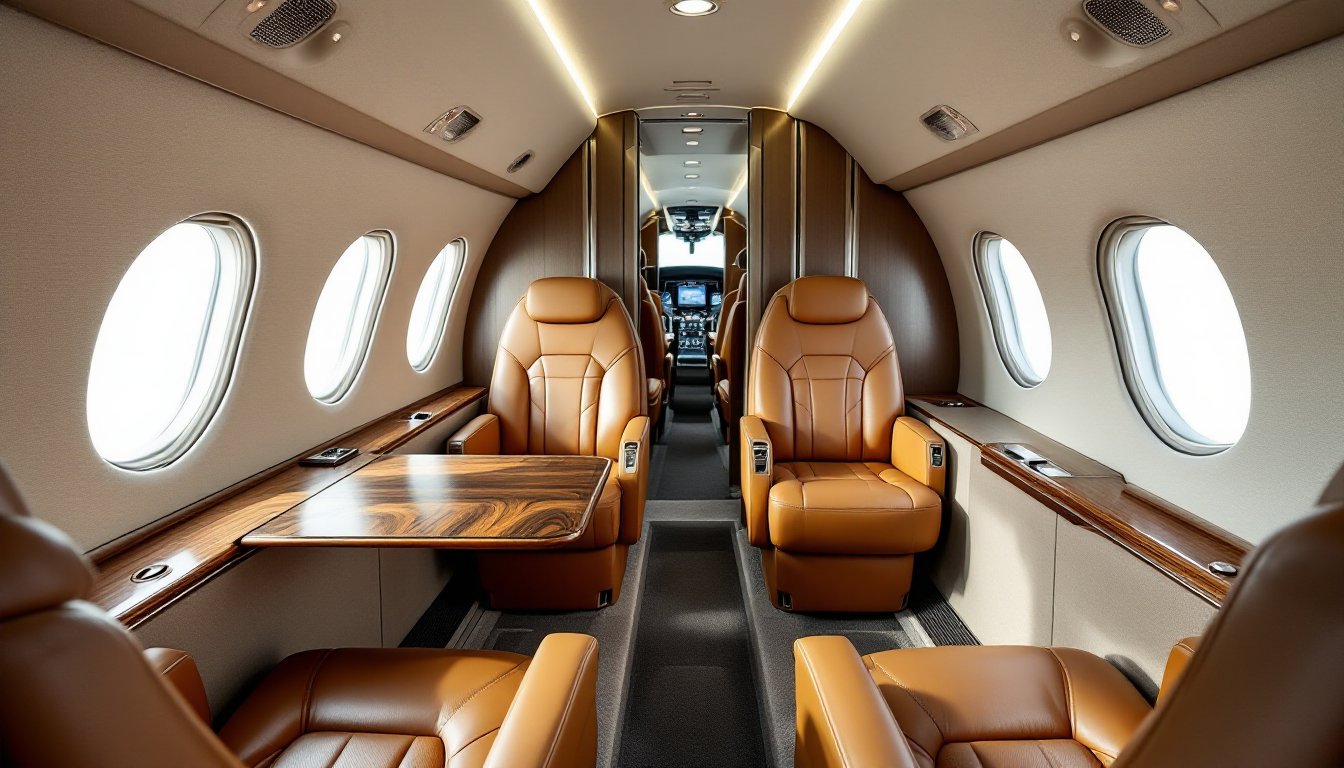
Aviation cabins pack maximum function into minimal space, a constraint that’s bred some of the sharpest design thinking in any industry. From business jets with burled walnut panels to commercial galleys where every cubic inch counts, airplane interiors balance weight, durability, and aesthetics in ways most homes never demand. That same philosophy translates surprisingly well to residential projects, especially in small condos, ADUs, or anywhere square footage comes at a premium. Borrowing from aviation doesn’t mean bolting salvaged seats to your living room floor: it means adopting the mindset of precision, quality materials, and ruthless space efficiency that keeps a Gulfstream cabin feeling luxurious at 41,000 feet.
Key Takeaways
- Airplane interior design principles—combining durability, weight efficiency, and aesthetic refinement—deliver practical solutions for small spaces, compact kitchens, and residential projects where square footage is limited.
- Materials like high-pressure laminate, brushed stainless steel, and marine-grade vinyl, tested to airline standards, outperform standard residential finishes and resist wear without looking tired.
- Vertical storage, modular furniture with locking mechanisms, and layered zones (seating, service, storage, passage) maximize usable floor area while maintaining clear circulation in narrow hallways and studios.
- Neutral color palettes with metallic accents and LED strip lighting at 2700K–4000K color temperature reduce visual clutter and control perceived space, just as wide-body aircraft cabins do.
- Home offices, bathrooms, kitchens, and bedrooms are ideal candidates for aviation-style touches like floating desks, undermount vanities, frameless cabinets, and recessed shelving with hidden brackets.
- DIY projects—floating shelves with aluminum edge banding, LED strip lighting, and barn door hardware—capture the sleek, utilitarian aesthetic of aircraft interiors at accessible price points.
What Makes Airplane Interior Design So Inspiring?
Aircraft cabins operate under constraints homeowners rarely face: every pound matters, fire codes are federal, and failures happen at altitude. Designers respond with materials that outperform residential-grade equivalents, flame-retardant composite panels, scratch-resistant laminates, and hardware engineered for tens of thousands of cycles. The result is a refined aesthetic that feels intentional, not accidental.
Space optimization drives every decision. Overhead bins, seat-back pockets, and modular galleys demonstrate how vertical storage and layered functions can multiply usable area without clutter. Unlike open-concept trends that waste circulation space, airplane layouts define clear zones: seating, service, storage, and passage. That clarity translates to better flow in narrow hallways, compact kitchens, or studio apartments.
The color and lighting strategies also stand out. Neutral palettes with metallic accents reduce visual noise, while LED mood lighting, pioneered in wide-body jets, controls circadian rhythm and perceived space. Curved surfaces soften hard angles, a trick borrowed from aerospace engineers who know that radiused edges reduce stress concentrations in metal and look cleaner in tight quarters.
Finally, there’s the premium finish quality. Private jet interiors showcase hand-stitched leather, CNC-milled wood veneers, and brushed aluminum trim that could pass for museum-grade millwork. Adapting those details at home means specifying better materials upfront rather than relying on paint and caulk to hide gaps.
Key Elements of Airplane-Inspired Interior Design
Space-Saving Solutions and Compact Layouts
Aircraft interiors treat every inch as inventory. Bulkhead walls often hide storage, wiring, and HVAC ducting in the same 3½-inch cavity that a residential stud bay provides. Translating that to a home means building out walls strategically, installing shallow cabinets between studs, using European-style hinges for flush cabinet doors, or mounting Murphy beds with gas-assist pistons rated for daily use.
Modular furniture is another aviation staple. Seats convert to beds: tables fold into armrests: galley carts slide and lock on tracks. Homeowners can adopt this with platform beds that incorporate drawer banks, sliding barn doors on closets, or even rolling kitchen islands with locking casters. When shopping hardware, look for soft-close drawer slides rated for 100 lbs and full-extension glides, the same spec used in aircraft galleys.
Vertical zoning matters. Overhead storage keeps floors clear, just as airplane bins do. Install floating shelves with hidden brackets, ceiling-mounted pot racks in kitchens, or wall-mounted fold-down desks in home offices. If framing allows, recess shelving into walls rather than adding depth, this preserves walkway width, critical in hallways under 36 inches.
Premium Materials and Sleek Finishes
Airplanes favor materials that survive wear without looking tired. High-pressure laminate (HPL) clads galley surfaces and seat backs: it resists scratches, moisture, and UV better than melamine or basic veneers. Brands like Wilsonart and Formica offer aviation-grade laminates for residential use, ideal for mudroom lockers or laundry counters.
Metal trim adds polish without bulk. Brushed stainless or anodized aluminum edge banding hides plywood edges on shelves and countertops. Use a router with a flush-trim bit to apply it cleanly. For a subtler look, powder-coated steel angle iron works as open-shelf brackets or stair railings, just ensure welds are ground smooth and primed before finishing.
Leather and synthetic leather hold up to heavy use. Top-grain leather or marine-grade vinyl makes sense on desk chairs, bench cushions, or headboards in kids’ rooms. Avoid bonded leather, which peels under friction: airplane seats use full-grain or corrected-grain hides rated for abrasion (Martindale 100,000+ cycles). When sourcing upholstery, ask for samples and test them with a wire brush or sandpaper, airplane-spec materials won’t shed.
Lighting deserves deliberate choices. Recessed LED strip lighting with aluminum channels provides the same clean lines found in cabin ceilings. Install them under cabinets, in toe kicks, or along soffits with a dimmer switch. Color temperature matters: 2700K warms spaces for evening use: 4000K mimics daylight for task areas. Avoid color-changing RGB strips unless you’re committed to the look, they rarely photograph well and read gimmicky in person.
How to Recreate Aviation Style in Your Home
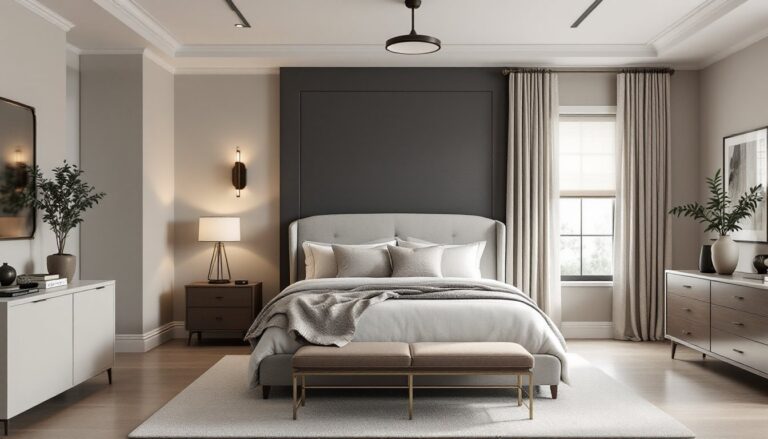
Start with a restrained palette. Aviation interiors lean on grays, taupes, and whites with metallic accents, chrome, brushed nickel, or gunmetal. Paint walls in a neutral base (Sherwin-Williams Repose Gray or Benjamin Moore Classic Gray work well), then layer in texture through materials rather than color. If you want contrast, use it sparingly: a single accent wall in charcoal or navy mimics the way a jet might feature a leather bulkhead.
Choose furniture with clean geometry. Look for pieces with straight lines, radiused corners, and exposed metal frames. Mid-century modern and Scandinavian designs overlap with aviation aesthetics, think Eames lounge chairs or Saarinen tulip tables. Avoid ornate moldings, turned legs, or distressed finishes: those read rustic, not aeronautical.
Incorporate modular and multi-function pieces. A platform bed with built-in storage, a sleeper sofa with a steel frame, or a nesting coffee table set all reflect the efficient use of space central to aircraft design. When shopping, test mechanisms: hydraulic lift frames should hold position at any height, and folding hardware should lock positively.
Material choices signal the theme without being literal. Swap standard door hardware for lever handles in brushed stainless. Replace basic switch plates with metal covers, Lutron and Leviton both offer stainless and aluminum options. Use perforated metal panels as cabinet door inserts or radiator covers: aviation interiors feature similar panels for ventilation and weight savings.
Lighting sells the vibe. Install recessed LED downlights with adjustable trims to highlight artwork or architectural details. Add linear suspension fixtures over dining tables or kitchen islands, simple tube designs in aluminum or powder-coated steel echo the utilitarian elegance of aircraft. For a bolder move, source vintage cockpit instruments or panel lights from aircraft salvage yards and mount them as functional night lights or accent pieces.
Window treatments should be minimal. Roller shades in linen or blackout fabric, or horizontal blinds in aluminum, keep sightlines clean. Avoid heavy drapes or valances, they add visual weight that contradicts the streamlined aesthetic. If privacy isn’t a concern, leave windows uncovered: many modern homes influenced by contemporary design principles embrace that openness.
Best Rooms for Airplane-Inspired Design Touches
Home offices benefit most directly. A built-in desk with overhead cabinets, task lighting, and cable management mimics a cockpit workstation. Use a floating desk cantilevered from the wall with heavy-duty brackets (rated for 200+ lbs per pair) to keep the floor clear. Mount a monitor arm to free up desk surface, and run cables through a wire raceway or drill a grommet for a cleaner look.
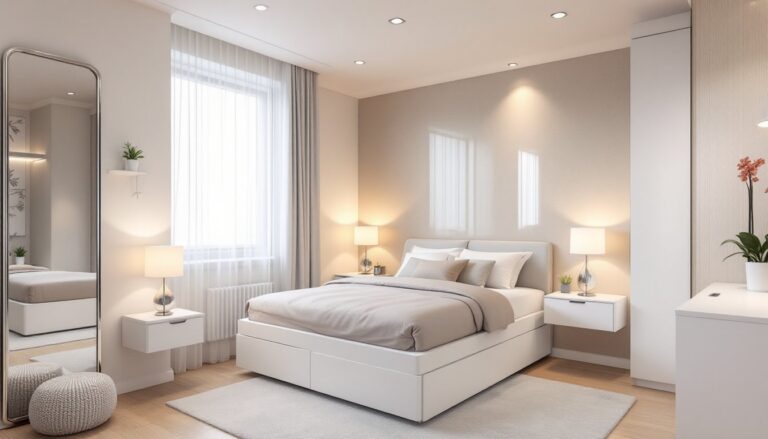
Bedrooms adapt aviation efficiency through storage. Install a closet system with adjustable shelving, pull-out drawers, and hanging rods at varied heights, the same zoning logic used in aircraft wardrobes. Under-bed storage boxes on wheels (IKEA Skubb or similar) slide in and out like galley carts. If building custom, recess LED strips into the bed frame or headboard for reading light without nightstands.
Bathrooms suit the theme through material choices and layout. Use large-format porcelain tiles (12×24 or larger) in neutral tones to minimize grout lines. Install a floating vanity with undermount sinks and wall-mounted faucets to ease cleaning. Medicine cabinets with mirrored fronts and interior lighting echo lavatory design. For hardware, choose ADA-compliant grab bars in polished or brushed finishes, they double as towel bars and read modern, not institutional.
Kitchens and mudrooms are natural fits for compact, durable solutions. Replace traditional cabinets with frameless European-style boxes and handle-less push-to-open doors. Use pull-out pantry shelves or slide-out trash bins to maximize depth. In mudrooms, a built-in bench with lift-up seat storage and wall-mounted coat hooks in stainless or powder-coated steel keep the space functional and tidy.
Living rooms can incorporate aviation style without losing warmth. A sectional sofa in gray or taupe leather paired with a glass-top coffee table on a metal base sets the tone. Add a media console with sliding doors or floating wall-mounted shelves for electronics. Keep accessories minimal, a few metallic accents, a modern floor lamp, and artwork in simple frames.
DIY Projects to Capture the Aircraft Aesthetic
Build a floating shelf with aluminum edge banding. Cut ¾-inch plywood to size (a table saw or circular saw with a guide works fine). Rout the front edge with a ⅛-inch roundover bit, then apply ½-inch aluminum angle using contact cement or construction adhesive. Miter the corners at 45 degrees with a hacksaw or miter saw for clean joints. Mount with heavy-duty floating shelf brackets recessed into the back edge, Simpson Strong-Tie and Rockler both make rated options. Finish the plywood with two coats of satin polyurethane or paint in a neutral tone.
Install recessed LED strip lighting. Purchase aluminum channel (U-channel or corner-mount) and 12V or 24V LED strips (2700K–4000K). Cut channel to length with a hacksaw, deburr edges with a file, and wipe clean. Peel-and-stick the LED strip inside the channel, then mount with screws or adhesive. Wire to a plug-in transformer or hardwire to a dimmer switch, if hardwiring, follow NEC Article 411 for low-voltage lighting and ensure connections are made in a junction box. Use this under cabinets, in closets, or along stair risers.
Create a sliding door with industrial hardware. Source a slab door (solid-core or hollow-core, depending on budget) and a barn door hardware kit rated for the door’s weight. Most kits include a track, rollers, and mounting brackets. Install the track with lag screws into studs or a backer board spanning at least two studs, this is critical for safe operation. Hang the door, adjust rollers for clearance, and add a soft-close mechanism if the kit doesn’t include one. Finish with a flush pull or recessed handle in stainless or black.
Upholster a bench with marine vinyl. Build or buy a simple bench frame (2×4 construction is fine). Cut 1-inch foam to size and spray-adhere it to the seat. Lay marine-grade vinyl over the foam, pull taut, and staple to the underside with a heavy-duty staple gun (use ½-inch staples). Work from the center out, keeping tension even. Trim excess with a utility knife. The result is a durable, cleanable surface that holds up in entryways or mudrooms.
Fabricate a metal-trimmed desktop. Cut a plywood or MDF panel to size, then edge all four sides with ¾-inch aluminum angle or stainless flat bar. Miter corners, pre-drill holes to avoid splitting, and fasten with small screws from underneath. Apply finish (paint, stain, or laminate) before attaching the metal. Mount the desktop on adjustable-height legs or floating brackets for a clean, modern look.
Safety note: Always wear safety glasses when cutting metal or wood, hearing protection when using power saws, and a dust mask when sanding or routing. Work in a ventilated area and secure materials with clamps before cutting.