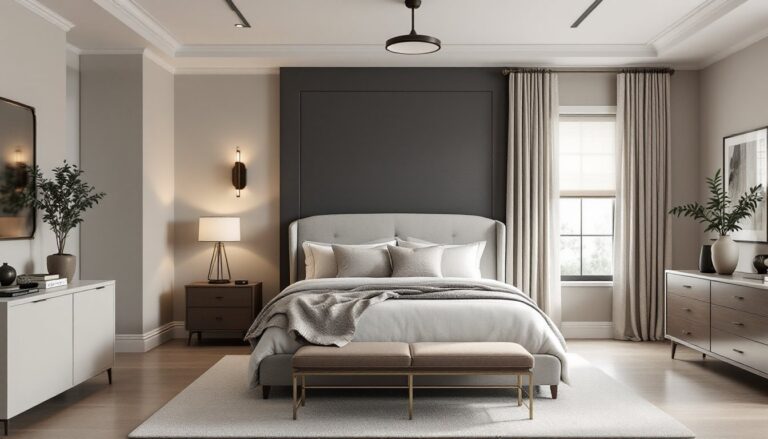

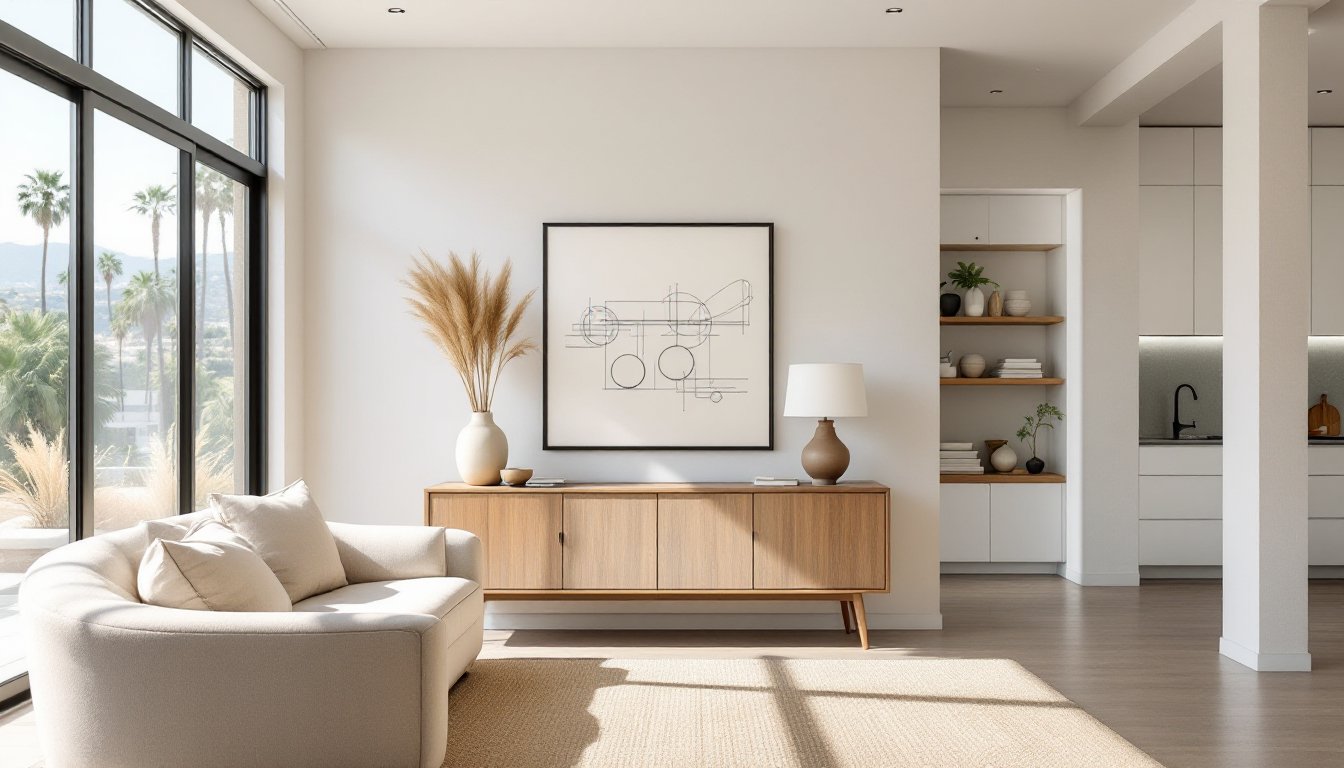
Los Angeles homes demand a unique design approach, spaces that balance California coastal light with urban sophistication, accommodate earthquake-safe modifications, and reflect the city’s eclectic architectural heritage spanning Spanish Colonial to mid-century modern. Hiring the right interior design company isn’t just about picking pretty colors: it’s about finding a partner who understands structural constraints, local building trends, and how to maximize both function and aesthetics in everything from Craftsman bungalows to contemporary hillside builds. This guide walks homeowners through the practical considerations for selecting, vetting, and working with LA design professionals.
Key Takeaways
- Interior design companies in Los Angeles provide essential expertise in California building codes, coastal durability, and space planning tailored to the region’s diverse architectural styles from Spanish Colonial to mid-century modern.
- Professional designers typically access wholesale pricing 20-40% below retail, often saving clients money while delivering higher-quality products and coordinated installation oversight.
- When selecting an interior design company, verify portfolio experience with your home’s architectural style, check ASID or IIDLA credentials for structural projects, and request detailed contracts specifying deliverables like CAD drawings or 3D renderings.
- LA design fees follow three models: hourly rates ($100-$300+), flat-fee projects for defined scopes, and cost-plus pricing with markups; budget $15,000-$40,000 for room refreshes and $60,000+ for full kitchen renovations.
- Warm minimalism, multi-functional spaces, sustainable materials, and smart home integration define 2026 design trends, with statement ceilings and limewash finishes gaining popularity over traditional accent walls.
- For structural, electrical, or plumbing work, professional involvement is mandatory for code compliance and resale value; DIY works for paint, accessories, and furniture arrangement in simple spaces only.
Why Hire a Professional Interior Design Company in LA?
Professional designers bring technical knowledge that goes beyond furniture arrangement. They understand California Title 24 energy code requirements for window treatments and lighting, know which finishes hold up to coastal humidity or inland heat, and maintain relationships with trade-only suppliers that aren’t accessible to the general public.
A qualified design firm handles space planning that accounts for traffic flow, furniture scale, and room proportions, critical in LA’s varied housing stock where a 1920s Spanish Revival has vastly different spatial logic than a Venice Beach contemporary. They’ll catch issues like insufficient electrical outlets for modern living, poor task lighting placement, or furniture that blocks required egress paths.
Designers also manage project timelines and coordinate with contractors, which matters in a market where skilled tradespeople book months ahead. They create detailed specifications and drawings that prevent costly miscommunications during installation. For renovations touching walls or utilities, they’ll flag when structural engineers or permit applications are necessary, something many homeowners overlook until they’re mid-project.
The cost-benefit calculation shifts when considering trade discounts. Design firms typically receive 20-40% off wholesale pricing on furniture, fixtures, and materials. Even after their markup or design fees, clients often break even or save compared to retail purchases, while gaining access to higher-quality products and professional installation oversight.
What to Look for When Choosing an Interior Design Company
Start by reviewing portfolios for projects similar in scope and architectural style to your home. An award-winning commercial designer won’t necessarily excel at residential kitchens. Look for evidence they’ve worked with your home’s era and construction type, post-and-beam mid-century homes, for instance, have different structural considerations than stucco Mediterranean revivals.
Check California licensing if structural changes are involved. While interior decorators don’t require state licenses, anyone specifying work that affects building systems needs proper credentials. The American Society of Interior Designers (ASID) or International Interior Design Association (IIDLA) memberships indicate continuing education and professional standards, though they’re not legal requirements.
Read reviews on platforms like Houzz to spot patterns in communication style, budget management, and problem-solving. Red flags include vague contracts, refusal to provide references from past clients, or pressure to use specific contractors without explaining why.
Ask about their project management process. Professional firms use detailed timelines, regular site visits, and written change-order procedures. Request a sample design agreement so you understand deliverables, will you receive CAD drawings, 3D renderings, or just mood boards? Clarify what happens to purchasing agreements if the project pauses or you choose not to buy certain items.
Design Styles and Specializations
LA’s design landscape spans distinct aesthetics, and most firms specialize rather than attempting everything. Coastal contemporary emphasizes natural light, neutral palettes, and organic textures suited to beach communities. Mid-century modern requires knowledge of period-appropriate materials and where to source vintage pieces versus quality reproductions.
Mediterranean and Spanish Revival specialists understand terracotta, talavera tile, and how to preserve original plaster details while updating infrastructure. Modern farmhouse blends rustic elements with clean lines, popular in valley neighborhoods but requiring careful execution to avoid looking staged.
Specialty areas matter too. Kitchen and bath designers understand plumbing rough-in dimensions, ventilation code, and cabinet construction methods. Aging-in-place specialists know ADA-compliant fixture heights, zero-threshold shower details, and how to install backing for future grab bars without telegraphing institutional design. Sustainable design experts specify low-VOC finishes, reclaimed materials, and energy-efficient systems that qualify for rebates.
Match the designer’s expertise to your project’s complexity. A full-home renovation with structural changes demands different skills than refreshing finishes in a rental property.
Budget Considerations and Pricing Models
LA interior design fees typically follow three structures. Hourly rates run $100-$300+ depending on experience and firm prestige, suitable for consultations or limited-scope projects. Expect senior designers at established firms to bill at higher rates than newer practitioners.
Flat-fee projects work for defined scopes like a single-room redesign. Get detailed scope descriptions, does the fee cover two design revisions or unlimited changes? Are site visits included, or billed separately?
Cost-plus pricing involves the designer purchasing items at their trade discount then adding a markup (usually 20-35%). This model provides transparency on actual product costs but requires trust. Some firms charge a design fee plus procurement percentage, essentially stacking services.
Material and labor costs vary wildly by neighborhood and project scale. A basic living room refresh might run $15,000-$40,000 including furnishings. Full kitchen renovations start around $60,000 for modest updates and climb past $150,000 for high-end remodels with structural changes, custom cabinetry, and premium appliances. These figures assume mid-range finishes: luxury materials push costs significantly higher.
Get written estimates that separate design fees from purchasing and installation costs. Clarify payment schedules, typical structures involve a retainer, progress payments at project milestones, and final payment at completion. Review what’s covered if you terminate the agreement mid-project or if unforeseen conditions (hello, knob-and-tube wiring) require scope changes.
Top Interior Design Trends in Los Angeles for 2026
Warm minimalism continues gaining traction, pared-down spaces with natural wood tones, linen textures, and handcrafted elements that feel lived-in rather than sterile. Expect to see more limewash plaster walls replacing plain drywall, adding subtle texture and Old World character especially in Spanish and Mediterranean homes.
Multi-functional spaces reflect how Angelenos actually live. Home offices that convert to guest rooms, kitchen islands with pop-up outlets for laptop work, and murphy beds in studios aren’t new concepts, but 2026 designs integrate them more seamlessly with better-quality hardware and custom millwork.
Sustainable material choices have moved mainstream. Reclaimed wood, recycled glass tile, and low-VOC paints aren’t just for LEED-certified projects anymore. Local fabricators offer countertops from recycled aggregate, and companies make durable rugs from recycled ocean plastics. Clients increasingly ask about product lifecycle and disposal.
Statement ceilings replace the ubiquitous accent wall, think wood beams (real or convincing replicas), decorative plaster moldings, or bold paint colors above while keeping walls neutral. It adds architectural interest without overwhelming smaller rooms.
Integrated smart home systems are expected as baseline, not luxury add-ons. Lighting controls, motorized shades, and climate zoning get specified during design phases rather than retrofitted later. Designers coordinate with low-voltage contractors early to conceal wiring properly.
How to Prepare for Your First Design Consultation
Gather inspiration images but focus on communicating what specifically appeals, is it the paint color, furniture scale, lighting approach, or overall mood? Designers can’t read minds, but concrete observations like “I prefer furniture legs that elevate pieces off the floor” or “task lighting over ambient lighting” give clear direction.
Measure your space thoroughly. Note actual dimensions of rooms, ceiling heights, door swings, and window sizes including trim. Photograph existing conditions from multiple angles, capturing problem areas like awkward corners or poorly placed outlets. Document architectural details you want preserved.
List functional requirements honestly. How many people use the space daily? Do you need storage for specific items (musical instruments, craft supplies, bike gear)? Will elderly relatives visit? Do pets dictate material choices?
Establish a realistic budget range before meeting. Research typical costs for your project scope through resources like HomeAdvisor so you understand if your $20,000 budget aligns with your full-kitchen-renovation dreams (spoiler: it probably doesn’t). Designers can’t propose appropriate solutions without knowing financial parameters.
Prepare questions about their process: How do they handle change orders? What’s their typical project timeline? Do they supervise installation personally? Will you work with the principal designer or junior staff? Clarify ownership of design documents, if you part ways mid-project, can you take drawings to another contractor?
DIY vs. Professional Design: Finding the Right Balance
Some aspects of interior design translate well to DIY execution: others don’t. Homeowners can successfully handle paint selection, accessory shopping, and furniture arrangement in simple spaces. Online tools provide room layout planning, and many retailers offer free design services when purchasing from them.
But spatial planning in complicated rooms, kitchens, bathrooms, multi-purpose spaces, benefits from professional input. Designers understand minimum clearance dimensions (you need 36″ in front of appliances, 42″ for galley kitchens with opposing work surfaces), proper task lighting placement, and how to maximize storage without making spaces feel cramped.
Electrical and lighting design requires technical knowledge. Placing switches intuitively, ensuring adequate amperage for modern loads, and creating layered lighting schemes (ambient, task, accent) at correct heights prevents expensive do-overs. Most municipalities require permits for electrical work anyway, making DIY less practical.
A middle-ground approach works for budget-conscious projects: hire a designer for space planning and technical drawings (usually 5-10 hours of consultation), then handle finish selections and furniture shopping yourself. Many designers offer hourly consultations to review your choices before purchasing.
Another hybrid model involves designers creating a comprehensive plan with specifications, then homeowners managing contractor bidding and project execution. This saves design-management fees but requires confidence coordinating tradespeople and making field decisions when issues arise.
For projects touching structure, plumbing, or HVAC, professional involvement isn’t optional, it’s necessary for code compliance and resale value. According to data from Angi, permitted work performed by licensed contractors returns higher percentages on home sales compared to unpermitted DIY modifications. If you’re unsure whether your project needs permits, consult your local building department before starting work, enforcement penalties and correction costs far exceed initial permit fees.