
Modular interior design isn’t about trendy furniture catalogs or minimalist Instagram aesthetics. It’s a practical system that lets homeowners reconfigure spaces without tearing out walls or hiring contractors. Think furniture that adapts when you move, storage that grows with your needs, and layouts that flex between work-from-home setups and family gatherings. For DIYers and renovators, modular design offers something rare: the ability to experiment, adjust, and upgrade without permanent commitments or wasted materials.
Key Takeaways
- Modular interior design uses prefabricated, standardized components that can be rearranged, added, or removed without permanent structural changes, making it ideal for renters and homeowners who need flexible layouts.
- Modern modular furniture solves real problems like space constraints, frequent moves, and lifestyle changes by allowing homeowners to adapt their environments without hiring contractors or committing to fixed designs.
- Modular design offers significant cost savings through phased purchases, easier transport, repairability of individual components, and natural design consistency across rooms when using the same product system.
- Proper planning is essential for modular interior design success—measure spaces accurately, anchor tall units to wall studs, stick with one system per room initially, and budget for necessary connectors and accessories that ensure stability.
- Modular systems work in every room: sectional sofas and cube shelving adapt living spaces, closet systems and platform beds maximize bedroom storage, and materials should be tested for acclimation before installation to prevent warping.
What Is Modular Interior Design?
Modular interior design uses prefabricated, standardized components that fit together in flexible configurations. Instead of custom-built or fixed-in-place furniture and fixtures, modular pieces follow consistent dimensions and connection methods. A modular sofa breaks into individual seats, corners, and ottomans. A modular shelving system uses uniform cubes or panels that stack, hang, or interlock.
The key is interchangeability. Components from the same system can be rearranged, added, or removed without tools or major alterations. This differs from traditional built-ins or standalone furniture that stays where it’s placed. Modular kitchen cabinets, for instance, arrive as pre-assembled boxes in standard widths (12″, 18″, 24″, 30″, 36″) that install on a rail system, making replacement or reconfiguration straightforward.
Modular design extends beyond furniture. Partition walls, ceiling tiles, and even flooring can be modular. Demountable partition systems use metal tracks and gypsum or glass panels to divide spaces without drywall and studs. Raised floor tiles in basements create accessible channels for wiring and plumbing. The unifying principle: everything breaks down and rebuilds without permanent fasteners or structural changes.
Why Modular Design Is Perfect for Modern Homes
Modern homeowners move more frequently, work from home unpredictably, and face tighter budgets than previous generations. Modular design solves practical problems that fixed layouts can’t.
Space constraints drive adoption in urban apartments and smaller homes. A modular Murphy bed folds into a wall unit during the day, freeing floor space for a home office. Expandable dining tables grow from two-seaters to six-seaters without requiring a dedicated dining room. When square footage costs a premium, furniture that does double or triple duty justifies its price.
Rental-friendly installations matter when you can’t alter walls or floors. Modular shelving mounts with tension rods or freestanding frames instead of permanent brackets. Closet systems use adjustable poles and cubbies that disassemble in an afternoon. Damage deposits stay intact, and you take your investment to the next place.
Future-proofing against lifestyle changes is another advantage. A nursery becomes a teen’s room by swapping out crib modules for desk configurations. Aging-in-place modifications, like lowering countertops or widening pathways, require less demolition when cabinetry and fixtures aren’t bolted down. Modular design treats homes as evolving spaces, not static floor plans.
Key Benefits of Choosing Modular Furniture and Layouts
Cost flexibility tops the list for DIYers on phased budgets. Buy a three-seat modular sofa now, add the chaise section next year. Start with base kitchen cabinets, then add uppers or a pantry tower as funds allow. This beats financing a complete custom setup or settling for mismatched pieces. Most modular systems maintain the same product line for years, so delayed purchases still fit.
Ease of transport and installation cuts moving costs and back injuries. A sectional sofa that breaks into four pieces fits through narrow stairwells and doorways that reject traditional couches. Modular closet kits ship flat-pack, reducing freight charges. Assembly typically needs a drill, level, and an hour or two, no contractor required. For second-floor renovations or basement finished spaces, this matters more than catalog photos suggest.
Repairability and upgrades extend product lifespan. When a sofa cushion wears out, replace that module instead of discarding the whole piece. Swap drawer fronts on a modular dresser to match a new color scheme without buying new furniture. This approach aligns with sustainable building practices and reduces landfill waste. Some manufacturers offer trade-in programs for outdated modules, closing the loop further.
Design consistency across rooms comes naturally when using the same modular system. Bedroom storage, living room media consoles, and home office shelving from one product line share finishes, hardware, and proportions. This creates visual cohesion without hiring a designer or hunting for matching pieces across brands.
How to Incorporate Modular Design in Every Room
Living Rooms and Open Spaces
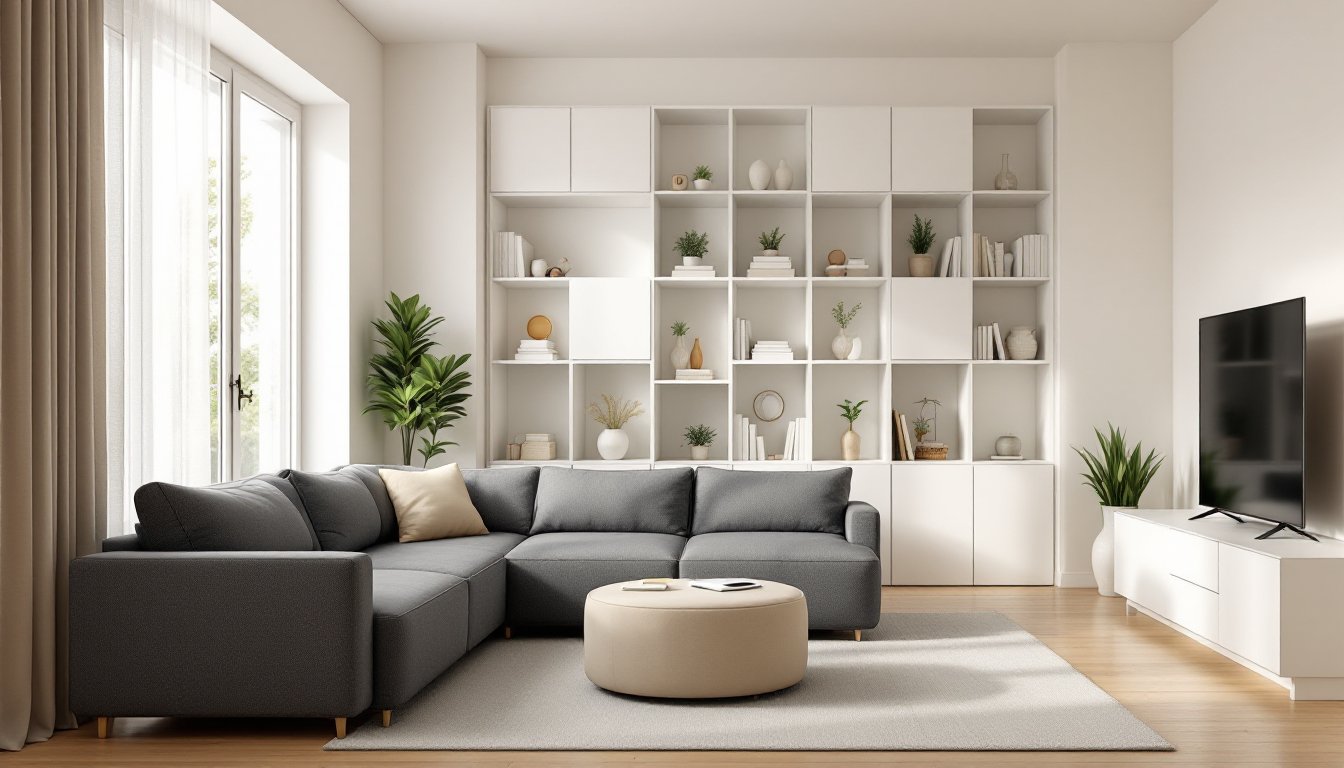
Sectional seating is the most accessible entry point. Look for systems with removable covers (for cleaning), reinforced corner connectors (plastic clips fail quickly), and modular contemporary design elements that suit your aesthetic. Arrange pieces in an L-shape for TV viewing, then reconfigure into a U-shape for gatherings. Ottomans with storage double as extra seating or coffee tables.
Media consoles and shelving benefit from modular cube systems. Wall-mounted units keep floors clear for robotic vacuums and create floating visual weight. Freestanding towers work in rentals or on uneven floors where mounting isn’t feasible. Mix open cubes for display with closed cabinets for clutter. Standard cube dimensions (13″×13″, 15″×15″) fit vinyl records, gaming consoles, and storage bins without custom sizing.
Room dividers using modular bookcases or slatted panels define zones in open-plan spaces without blocking light. Tension-mounted systems need no drilling. Freestanding units should be anchored with furniture straps to prevent tip-over hazards, especially in households with children or pets. Check the unit’s weight rating, particleboard cores sag under heavy book loads.
Bedrooms and Storage Solutions
Closet systems replace wire shelving with adjustable rods, drawers, and shoe racks. Measure your closet’s interior dimensions carefully: depth (most systems need 12″–14″ clearance), width between walls, and ceiling height. Standard modular kits fit 4′, 6′, and 8′ widths. For irregular spaces, look for systems with filler panels or custom-cut top shelves. Installation involves leveling a bottom rail, hanging vertical panels, then clipping in shelves and rods. A laser level beats a bubble level for long spans.
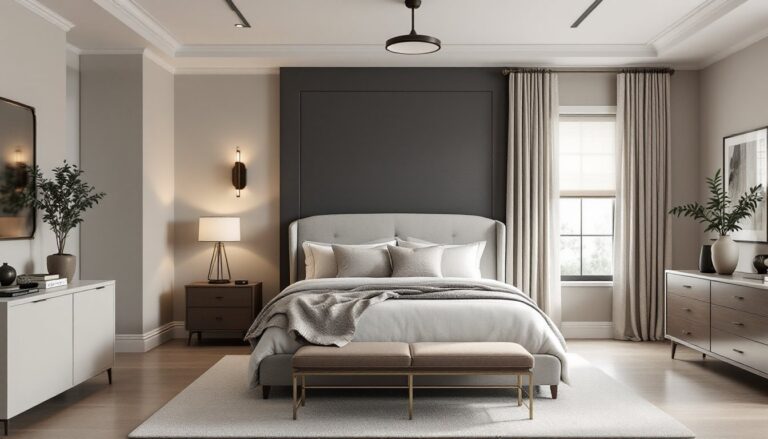
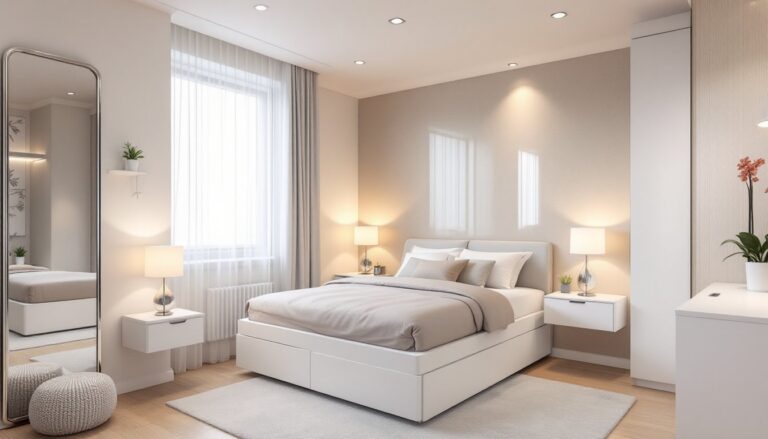
Platform beds with integrated storage use modular drawer units instead of box springs. Drawer modules on casters slide out from either side, ideal for rooms where one side sits against a wall. Some designs include hydraulic lift mechanisms for accessing under-bed storage, useful for seasonal bedding or luggage. Ensure the platform frame is solid wood or plywood, not particleboard, to handle the weight of a mattress plus stored items without sagging.
Wardrobe towers offer hanging space and shelves in freestanding units. They suit rooms without closets or supplement undersized closets. Pair two towers with a desktop in between for a combined dressing and workspace. Anchor tall units to wall studs using L-brackets and 3″ wood screws through the unit’s back panel (even in rentals, two small holes beat a furniture tip-over incident).
Essential Tips for Planning Your Modular Interior
Measure twice, configure once. Graph paper or free room planning apps let you test layouts before moving furniture. Note door swings, window placement, electrical outlets, and HVAC vents. Modular pieces need clearance for drawers and doors to open fully, add 18″–24″ in front of cabinets and dressers.
Anchor everything tall or heavy. Modular units often sit on adjustable legs or feet, which raises the center of gravity. Use anti-tip straps rated for the unit’s weight, screwed into wall studs (not drywall alone). For concrete or brick walls, use sleeve anchors or toggle bolts. This isn’t optional, tip-overs cause injuries and property damage.
Stick with one system per room, at least initially. Mixing brands or product lines creates mismatched dimensions and finish variations. Once you understand how your system works, you can integrate compatible pieces from other sources. For example, modular kitchen layouts from professional designers show how unified systems create clean, functional spaces.
Budget for connectors and accessories. Modular systems often charge separately for corner brackets, drawer inserts, cable management clips, and leveling feet. These add up but are necessary for stable, functional installations. Read product reviews to identify which accessories are essential versus nice-to-have.
Plan for material acclimation if you’re installing modular wood or laminate pieces. Let flat-pack boxes sit in the room for 48 hours before assembly so materials adjust to humidity and temperature. This prevents warping or gaps after installation.
Don’t ignore load-bearing limits. Wall-mounted modular shelving must attach to studs or use appropriate anchors for your wall type (drywall, plaster, concrete block). A 36″ shelf rated for 50 lbs won’t hold a 32″ TV and gaming gear, check manufacturer specs and err conservative. For heavy loads on drywall, consider installing a horizontal cleat (a 1×3 or 1×4 board screwed into multiple studs) as a mounting surface.
Think about future access. If modular cabinets or partitions conceal plumbing, electrical panels, or HVAC components, ensure you can remove sections without dismantling the entire layout. Leave access panels or choose units on casters. Building inspectors and future electricians will appreciate it. Note that some jurisdictions require permits for partition walls that alter egress routes or cover utility access, even if they’re “temporary.”
Consider finish durability for high-use areas. Melamine and laminate surfaces resist moisture and stains better than painted MDF. For modern decor applications, matte finishes hide fingerprints and scratches better than high-gloss. If you’re DIYing finish work, use furniture-grade edge banding and a household iron to seal exposed particleboard edges against moisture.
Modular design rewards planning over impulse. Sketch your layout, verify dimensions, and order samples of finishes before committing to a full system. The flexibility is real, but only if you build on a solid foundation of accurate measurements and realistic weight limits.