
Modern interior design isn’t just a trend, it’s a design philosophy built on simplicity, function, and honest materials. If tired, cluttered spaces are dragging down your home, a modern refresh can open up rooms, streamline daily life, and create a look that won’t feel dated in five years. This guide walks through the core principles of modern design, the specific elements that define the style, and practical ways to carry out it room by room without blowing your budget. Whether tackling a full renovation or refreshing a single space, these strategies will help homeowners achieve a clean, cohesive aesthetic that actually works.
Key Takeaways
- Modern house interior design prioritizes simplicity, honest materials, and clean lines—rejecting unnecessary ornamentation while maintaining warmth and functionality.
- Use a neutral color foundation (60% dominant neutral, 30% secondary neutral, 10% accent color) with intentional accent colors in deep navy, burnt orange, or forest green for visual interest.
- Invest in quality materials and timeless furniture pieces like platform beds and low-profile sectionals over trendy elements, as modern design is built to withstand changing trends.
- Paint, hardware swaps, and decluttering offer budget-friendly modernization, with repainting in white or light gray delivering the fastest transformation of dated spaces.
- Modern house interiors require thoughtful lighting layers, functional storage solutions, and scaled furniture that respects room proportions to avoid sterile or cluttered results.
- Window treatments, natural textures like wood and jute, and properly planned layouts are essential to prevent common mistakes like cold, disconnected, or chaotic modern spaces.
What Defines Modern Interior Design?
Modern design emerged in the early-to-mid 20th century as a rejection of ornate Victorian and traditional styles. It’s rooted in the modernist movement, which championed form following function and stripping away unnecessary decoration.
Key characteristics include clean lines, open floor plans, and a focus on horizontal and vertical elements rather than curves. Materials are left exposed and honest, think steel beams, concrete floors, natural wood grain, and large expanses of glass. There’s no crown molding, no heavy drapery, and minimal ornamentation.
Modern design differs from contemporary design (which reflects current trends) and minimalism (which is more extreme in its reduction). Modern is timeless but warm, relying on natural materials and thoughtful proportions rather than stark emptiness.
This style suits open-concept homes particularly well, but it can be adapted to older homes with compartmentalized rooms. The trick is maintaining visual consistency and resisting the urge to over-furnish or over-decorate.
Essential Elements of Modern House Interiors
Color Palettes That Bring Modern Spaces to Life
Modern interiors lean on neutral base colors: whites, grays, beiges, and blacks. These aren’t boring, they’re the foundation that lets architectural features and natural light take center stage.
Accent colors should be intentional. A single bold hue, deep navy, burnt orange, or forest green, works better than multiple competing tones. Use it sparingly in throw pillows, a single accent wall, or artwork.
Earth tones are making a comeback in modern spaces. Warm terracotta, ochre, and clay tones add depth without sacrificing the clean aesthetic. Pair them with natural wood finishes in walnut or oak.
Avoid overly saturated or neon shades, they clash with the restrained modern palette. If using black, balance it with lighter tones to prevent the space from feeling heavy. A 60-30-10 rule works well: 60% dominant neutral, 30% secondary neutral, 10% accent color.
Furniture and Layout Strategies for a Modern Look
Modern furniture prioritizes low profiles and geometric shapes. Sofas sit close to the ground, coffee tables are simple rectangles or circles, and legs are often tapered wood or slim metal.
Avoid bulky, overstuffed pieces. A sleek sectional in a neutral fabric works better than a traditional three-piece suite. Platform beds eliminate the need for box springs and create a streamlined bedroom silhouette.
Layout matters as much as the furniture itself. Create clear pathways and avoid pushing all furniture against walls. Floating a sofa in the center of a living room, backed by a console table, defines zones in an open floor plan without blocking sightlines.
Scale is critical. In a 12×14-foot living room, a massive sectional will overwhelm the space. Measure carefully and leave at least 30-36 inches of walkway clearance.
Multi-functional furniture suits the modern ethos. Ottoman storage, extendable dining tables, and Murphy beds serve dual purposes without visual clutter. Just ensure the mechanisms are well-built, cheap hardware fails fast.
Room-by-Room Modern Design Ideas
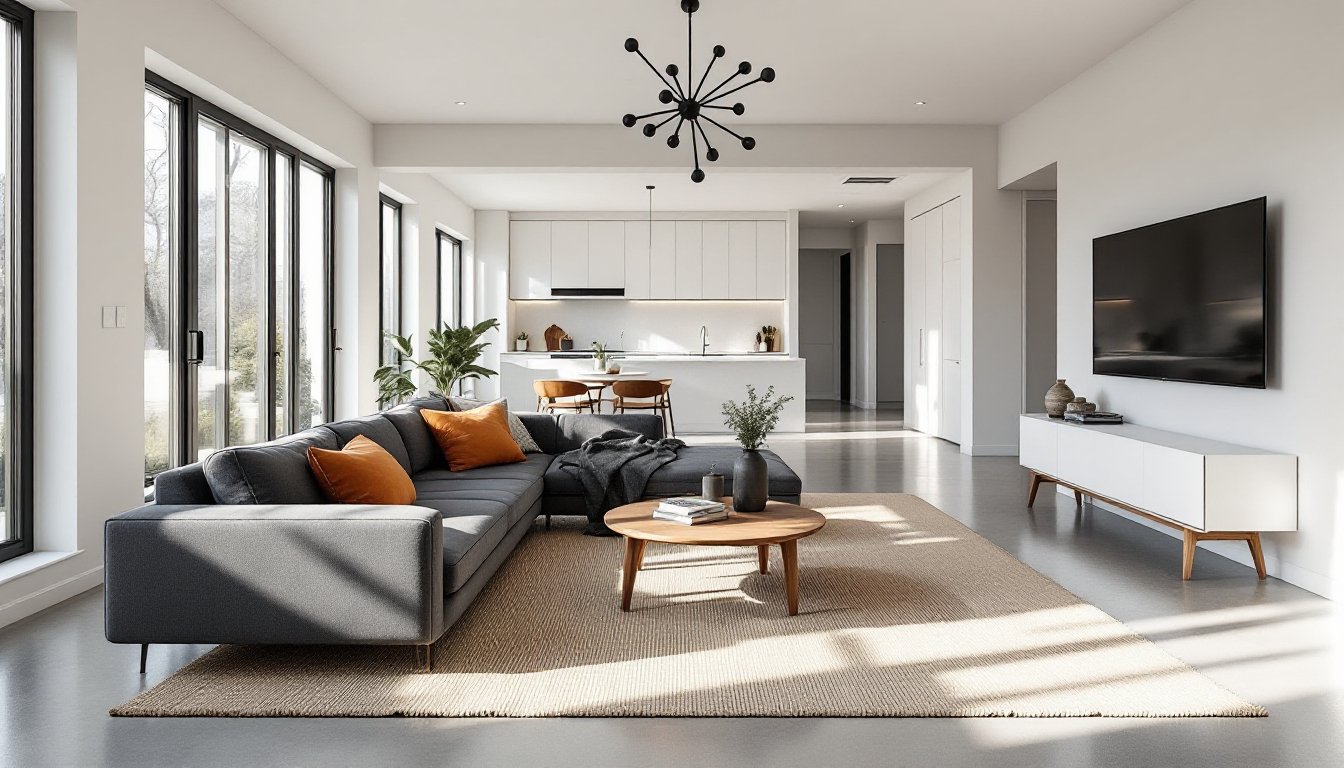
Living Room: Start with a neutral sectional or sofa, then anchor the seating area with a low-pile area rug in a geometric pattern. Wall-mount the TV or place it on a simple media console with clean lines, no ornate entertainment centers. Use a single statement light fixture, like a Sputnik chandelier or pendant cluster, rather than matching table lamps. Keep window treatments minimal: roller shades, sheer panels, or nothing if privacy allows.
Kitchen: Modern kitchens favor flat-panel cabinetry (also called slab doors) in white, gray, or natural wood veneer. Skip the hardware or use slim bar pulls in brushed nickel or matte black. Countertops in quartz or concrete offer durability and clean edges. A waterfall edge on an island adds visual interest without fussiness. Open shelving can work, but only if you’re disciplined about what goes on display, mismatched mugs ruin the look. Backsplashes should be simple: large-format tiles, glass, or a solid slab.
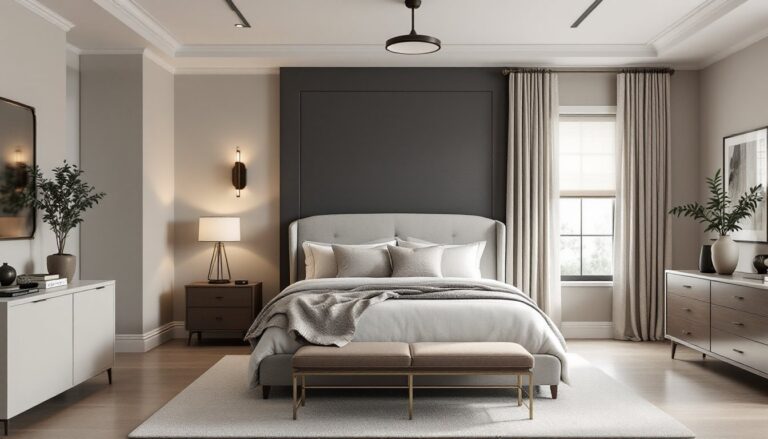
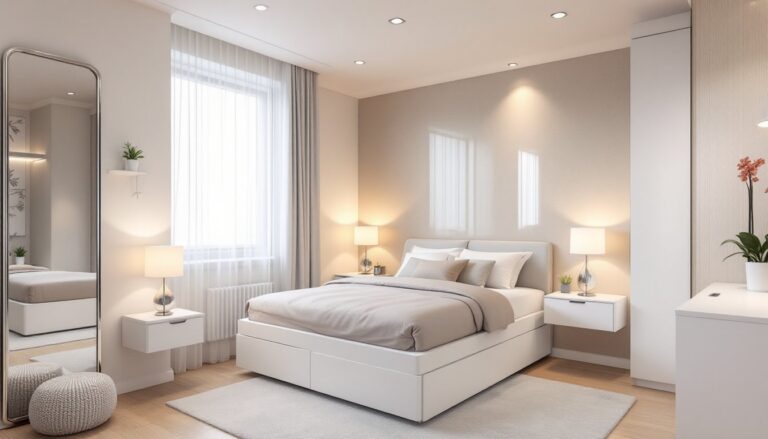
Bedroom: Platform beds with integrated nightstands streamline the space. Choose bedding in solid colors or subtle textures, save patterns for a single throw or pillow. Nightstands can be floating shelves or simple cubes. Lighting should be functional: wall-mounted sconces free up surface space and provide task lighting for reading. Closets benefit from modern organizational systems, but if yours are visible, keep doors closed or install sliding barn-style doors in a clean finish.
Bathroom: Wall-mounted vanities create the illusion of more floor space and make cleaning easier. Frameless glass shower enclosures beat dated shower curtains. Tile should be large-format (12×24 inches or bigger) in neutral tones. Fixtures in matte black or brushed nickel maintain the modern feel, avoid ornate faucets with multiple finials. A floating toilet (wall-hung with concealed tank) is the ultimate modern move, but it requires opening walls and may need a plumber’s expertise.
Budget-Friendly Ways to Modernize Your Home
Paint is the cheapest transformation. A coat of white or light gray on walls immediately modernizes a space. Use a low-VOC paint in eggshell or satin finish, flat shows imperfections, and high-gloss feels too clinical. Expect coverage of about 350-400 square feet per gallon for quality paint.
Update hardware and fixtures. Swapping dated brass cabinet pulls for matte black or brushed nickel costs $2-5 per pull and takes minutes with a screwdriver. Same goes for light switch covers, outlet plates, and door hinges. These small touches add up visually.
Replace dated lighting. Flush-mount ceiling lights in builder-grade finishes scream 1990s. A simple pendant or semi-flush fixture in a modern silhouette costs $40-150 and installs in under an hour if you’re comfortable working with electrical (turn off the breaker first). If not, hire an electrician, it’s a quick job.
Refinish instead of replace. Existing wood floors can be sanded and refinished in a natural or light stain, creating the clean backdrop modern design needs. Cabinets can be painted and re-fitted with new hardware for a fraction of replacement cost. Use a bonding primer like INSL-X Stix or Benjamin Moore Advance for a durable finish on laminate or previously finished surfaces.
Declutter ruthlessly. Modern design thrives on negative space and intentional displays. Remove half the items on shelves, consolidate collections, and store seasonal items out of sight. This costs nothing and has immediate impact.
DIY open shelving. Replace a few upper kitchen cabinets with ¾-inch plywood or solid wood shelves on metal brackets. Cut to width with a circular saw (a miter saw gives cleaner cuts if you have access). Sand edges, apply a clear poly or paint, and mount to studs with heavy-duty brackets rated for the load. Total cost: $50-100 for a 6-foot run.
Common Modern Design Mistakes to Avoid
Going too cold. All-white everything with zero texture feels sterile, not modern. Layer in natural materials, a jute rug, wood furniture, linen textiles, to add warmth. Modern doesn’t mean uncomfortable.
Ignoring scale. Oversized furniture in a small room or tiny accent pieces in a large space throws off proportions. Before buying, measure the room and sketch a floor plan. Many furniture retailers provide dimensions, use them.
Over-relying on trendy elements. That geometric wall decal or rose gold accent might feel modern now, but trends cycle fast. Stick to timeless materials and shapes for big investments. Save trends for easily swapped items like pillows or art.
Skipping window treatments entirely. While modern design favors simplicity, bare windows can feel unfinished and offer zero privacy or light control. Simple roller shades or linen curtains in white or gray provide function without visual weight.
Mixing too many styles. A modern sofa, farmhouse coffee table, and traditional rug create visual chaos. If blending styles (often called transitional design), choose pieces that share common elements like color, scale, or material. A rustic wood element can work in a modern space if the lines are clean.
Neglecting lighting layers. A single overhead fixture leaves rooms flat and shadowy. Modern spaces need ambient, task, and accent lighting. Add floor lamps, under-cabinet lighting, or wall sconces to create depth and functionality.
Forgetting about storage. Open shelving and minimal furniture look great until clutter takes over. Plan for hidden storage, built-in cabinets, storage ottomans, or a well-organized closet system, before committing to a sparse aesthetic. For layout planning and storage ideas, consider traffic flow and daily routines.
Cheap materials that don’t last. Particleboard furniture, peel-and-stick tile, and vinyl plank with poor wear layers fail quickly and look worse as they age. Modern design celebrates quality materials. If budget is tight, buy fewer pieces in better materials rather than filling a room with disposable furniture. Solid wood, metal, and real stone or tile will outlast and outperform their imitations. When exploring material selections and finishes, prioritize durability and honest construction over surface-level aesthetics.