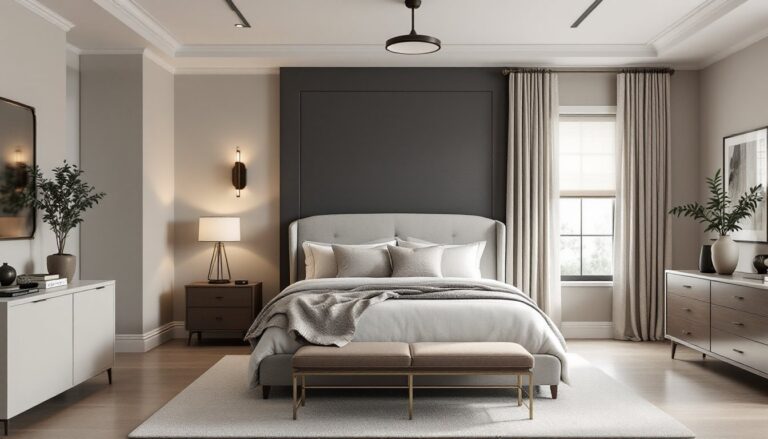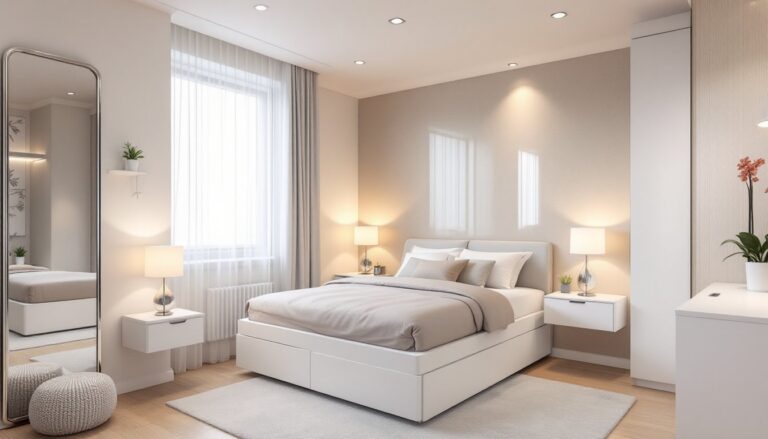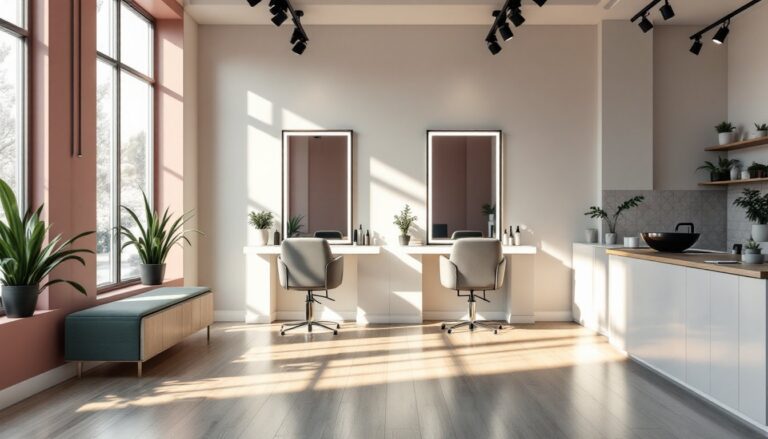

Form is the three-dimensional backbone of every room. It’s the shape of the sofa, the curve of a lamp, the bulk of a coffee table, all the physical objects that occupy space and catch light. While color and pattern get most of the attention, form dictates how a room feels when you walk into it: cramped or airy, cluttered or composed. Understanding form helps DIYers and homeowners make smarter choices about furniture arrangement, décor selection, and spatial flow without hiring a designer or starting from scratch.
Key Takeaways
- Form is the three-dimensional backbone of interior design, directly influencing how a room feels when you walk in by dictating visual weight, movement, and spatial flow.
- Form in interior design falls into three main categories—geometric (structured and symmetrical), organic (soft-edged and nature-inspired), and abstract (artistic and stylized)—and the most successful interiors layer all three types.
- Balancing natural forms (wood, stone, plants) with manufactured forms (metal, plastic, upholstered pieces) at roughly a 30-70 ratio prevents a room from feeling too slick or too rustic.
- Understanding the difference between two-dimensional shape and three-dimensional form helps homeowners avoid common mistakes like choosing furniture based on floor-plan drawings alone, which can look balanced on paper but feel off in real space.
- Creating visual interest without clutter requires varying heights, contrasting volumes, mixing geometries, and layering forms while preserving negative space for the eye to rest.
- Common form definition mistakes include using all the same form type, ignoring scale relationships, blocking sightlines with heavy furniture, and clashing design styles without a unifying thread like color, material, or finish.
What Is Form in Interior Design?
Form refers to any three-dimensional object within a space, furniture, architectural features, fixtures, and decorative items. Unlike two-dimensional shape (which exists on a flat plane), form has length, width, and depth. A circle drawn on paper is a shape: a ceramic bowl is a form.
Forms can be geometric (crisp, human-made angles and symmetry, think cube ottomans, rectangular bookcases, or cylindrical vases) or organic (irregular, flowing contours inspired by nature, like driftwood décor, curved armchairs, or sculptural pottery).
In practical terms, form influences:
- Visual weight: A chunky sectional anchors a room differently than a leggy mid-century sofa.
- Movement: How your eye travels around the space.
- Function: A round dining table seats more flexibly than a square one in tight quarters.
When arranging a room, homeowners often focus on color swatches and throw pillows but overlook the forms they’re combining. Mixing too many heavy, blocky forms can make a space feel like a furniture showroom, while all delicate, spindly pieces might lack presence.
The Three Types of Form in Interior Design
Designers typically sort forms into three categories based on their geometry and origin.
Geometric forms are structured, symmetrical, and man-made. Think square side tables, rectangular sofas, conical pendant lights, or cylindrical planters. These forms feel orderly and modern. They’re easier to arrange because they align with standard room dimensions (most walls meet at 90-degree angles). Geometric forms dominate contemporary, industrial, and minimalist interiors.
Organic forms mimic nature, they’re asymmetrical, soft-edged, and flowing. Examples include a river rock lamp base, a live-edge wood console, or a sculptural chair with curved lines. Organic forms add warmth and movement, preventing a space from feeling sterile. They’re the backbone of home styling guides that emphasize texture and natural materials.
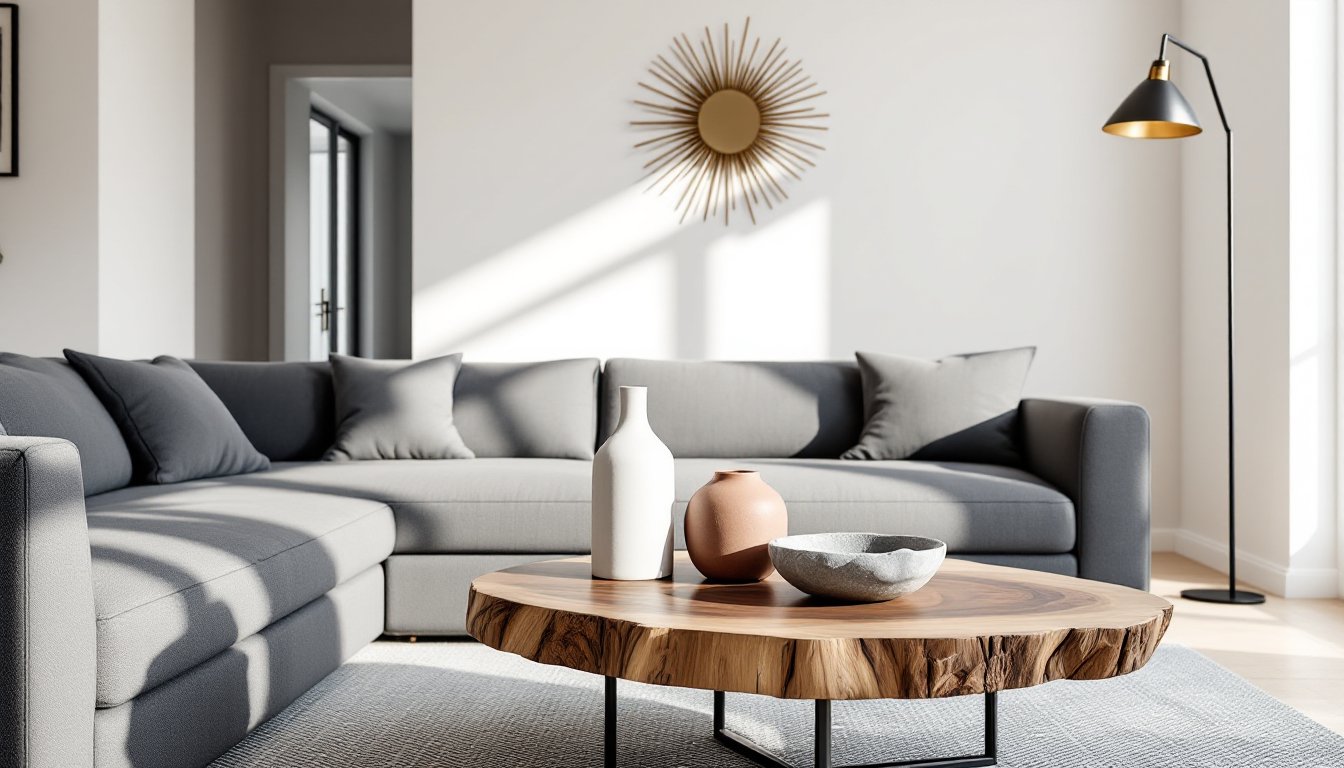
Abstract forms are stylized, artistic, and less literal. A starburst mirror, a geometric sculpture, or a molded plastic chair with exaggerated curves fits here. Abstract forms work as accent pieces, too many can overwhelm, but one or two inject personality.
Most successful interiors layer all three types. A geometric sofa paired with an organic wood coffee table and an abstract metal wall sculpture creates contrast without chaos.
Natural Forms vs. Manufactured Forms
Another useful distinction separates natural forms (items derived from or mimicking nature, stone, wood, plants, shells) from manufactured forms (human-engineered objects, metal furniture, plastic fixtures, upholstered pieces).
Natural forms introduce irregularity and tactile interest. A reclaimed barn beam mantel or a cluster of unglazed ceramic pots breaks up the uniformity of drywall and factory furniture. They also age visibly, which some homeowners love and others find impractical.
Manufactured forms offer consistency, precision, and often better durability for high-use items. A powder-coated steel bed frame or an injection-molded side table won’t warp, crack, or require seasonal maintenance. They’re easier to source in matching sets and specific dimensions.
Balancing both keeps a room from feeling too slick or too rustic. A good rule of thumb: if 70% of your forms are manufactured (sofa, media console, shelving), bring in 30% natural forms (wooden bowls, woven baskets, stone bookends) to soften the aesthetic.
How Form Differs from Shape in Design
Shape is two-dimensional, height and width only. It’s the silhouette of an object or the outline of a pattern on fabric or wallpaper. Form is three-dimensional, it has volume, casts shadows, and interacts with light.
In practical terms:
- A circle on a rug is a shape.
- A sphere-shaped pouf is a form.
- A rectangle printed on curtains is a shape.
- A rectangular credenza is a form.
When shopping or planning a room, homeowners often describe what they want using shape language (“I need a round coffee table”), but what they’re really selecting is a form with depth, material, and presence. A round coffee table can be a thin hammered-metal disk on hairpin legs or a chunky drum with carved wood, same shape, wildly different forms.
This distinction matters because form affects spatial perception more than shape. A low-profile sectional and a high-back Chesterfield might share the same L-shaped footprint (shape), but the Chesterfield’s tufted bulk (form) will dominate the room visually. Understanding this helps DIYers avoid the common mistake of choosing furniture based on floor-plan drawings alone, what looks balanced on paper can feel top-heavy or sparse in three dimensions.
Using Form to Create Balance and Visual Interest
Balance in interior design means distributing visual weight so no single area of a room feels overloaded. Form is one of the primary tools for achieving this.
Symmetrical balance uses matching or similar forms on either side of a central axis. Two identical nightstands flanking a bed, a pair of club chairs facing a sofa, this approach feels formal and restful. It’s straightforward for DIYers to execute: measure from a centerline and mirror your forms.
Asymmetrical balance pairs different forms of similar visual weight. A tall floor lamp on one side of a sofa might balance a low, wide side table and stacked books on the other. This requires more intuition, heavy, dark, or textured forms “weigh” more visually than light, smooth, or airy ones. Asymmetry feels more dynamic and collected but can tip into chaos if overdone.
Radial balance arranges forms around a central point, like dining chairs encircling a round table. It’s less common in living spaces but useful in entryways or reading nooks.
To create visual interest without clutter:
- Vary heights: Pair a tall bookcase with a low-slung media console.
- Contrast volumes: A bulky sectional balances spindly side tables.
- Mix geometries: Combine a rectangular dining table with round pendant lights overhead and curved dining chairs.
- Layer forms: A sculptural vase on a stack of books on a geometric tray adds depth without adding square footage.
Many architecture and furniture design resources emphasize this layering technique as a quick way to make a room feel curated. Just remember: more forms isn’t always better. Negative space (empty areas) gives the eye places to rest and prevents a room from feeling like a showroom floor.
Common Mistakes When Working with Form
Using all the same form type. A room full of rectangular furniture, sofa, coffee table, media console, shelving, feels rigid and uninspired. Break it up with a round mirror, an organic wood stool, or a cylindrical floor lamp.
Ignoring scale. A massive sectional paired with a tiny side table throws off proportion. Forms should relate to each other in size. As a guideline, side tables should sit within 2–4 inches of your sofa’s arm height, and coffee tables should be about two-thirds the length of your sofa.
Forgetting about sightlines. Tall, bulky forms can block natural light or views. In smaller rooms, consider furniture with exposed legs (raising forms off the floor visually lightens them) and glass or acrylic pieces that occupy space without obstructing sightlines.
Overloading with heavy forms. Chunky, low-profile furniture can make a room feel grounded, or squat. If you love the look of a deep, overstuffed sofa, balance it with taller, lighter forms like a floor lamp, vertical artwork, or open shelving.
Clashing form styles without intent. Mixing organic and geometric forms is smart: throwing together five different design eras without a unifying thread (color palette, material, or finish) looks accidental. Cohesion comes from repeating at least one element, wood tone, metal finish, or form family, across multiple pieces. One project showcasing how form and flow work together demonstrates this principle in a compact urban setting.
Neglecting negative space. Rooms need breathing room. If every surface holds a form, the space feels cramped. Aim for at least 30–40% of surfaces (shelves, tabletops, walls) to remain clear or sparsely styled.
Conclusion
Form isn’t an abstract design concept, it’s the physical reality of every object in a room. By recognizing the difference between geometric, organic, and abstract forms, and learning to balance their visual weight, homeowners can create spaces that feel intentional and cohesive without a design degree. Start with one room, assess the forms already in play, and make small swaps or additions to introduce contrast and balance.