
Tiny home living has shifted from fringe movement to mainstream housing option, and it’s reshaping how people think about space, ownership, and lifestyle priorities. Whether you’re drawn to lower costs, reduced environmental impact, or the freedom of mobility, downsizing to a tiny home demands careful planning and realistic expectations. This guide walks through the structural, financial, and practical considerations you’ll face, from maximizing every square inch to navigating zoning regulations. If you’re weighing whether 400 square feet or less can meet your needs, here’s what you need to know before committing.
Key Takeaways
- Tiny home living costs $30,000 to $100,000 depending on whether you build DIY or buy turnkey, making it significantly more affordable than the $410,000 median home price.
- Smart design strategies like vertical storage, multi-function furniture, and built-in cabinetry maximize every square inch and prevent clutter in spaces under 400 square feet.
- Monthly utility bills drop dramatically in tiny homes, consuming roughly 200-400 kWh versus 900+ kWh for traditional houses, with mini-split heat pumps offering efficient heating and cooling.
- Zoning regulations vary widely by jurisdiction—verify local building codes, minimum square footage requirements, and trailer classifications before purchasing land or a unit.
- Success with tiny home living requires honest assessment of your lifestyle, including ability to downsize belongings, work-from-home needs, household size, and long-term housing plans.
- DIY projects like custom shelving, fold-down furniture, LED lighting upgrades, and insulation work are manageable for beginners and can significantly improve livability without contractor costs.
What Is Tiny Home Living and Why Is It Growing in Popularity?
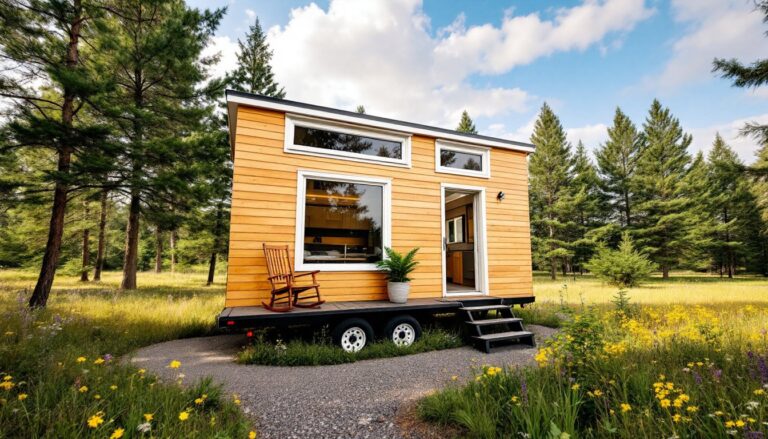
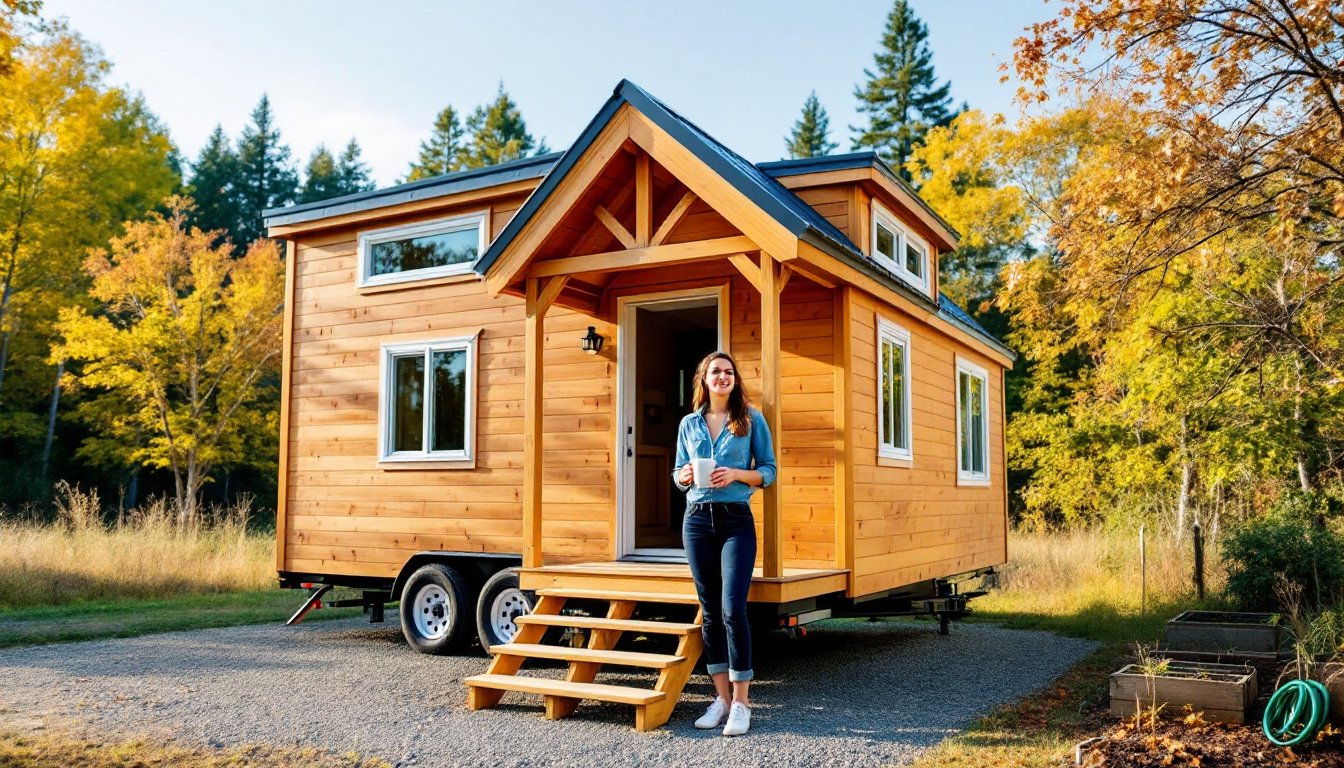
Tiny home living typically refers to dwellings under 400 square feet, though definitions vary. These homes range from mobile units on trailers (often 8.5′ × 20′ or smaller to stay street-legal without special permits) to foundation-built structures classified as accessory dwelling units (ADUs). The appeal isn’t just about square footage, it’s about intentional living with reduced overhead.
Popularity has surged due to several converging factors. Housing costs in most metro areas have outpaced wage growth, pushing buyers toward affordable alternatives. Median home prices climbed nearly 30% between 2020 and 2026, while tiny homes can be built or purchased for $30,000 to $80,000 depending on finish level and whether it’s DIY or contractor-built. Environmental consciousness plays a role too, smaller footprints mean lower energy consumption, often 50-70% less than traditional homes.
Zoning reforms have also helped. Many jurisdictions now permit ADUs on single-family lots, and some counties have created tiny home communities with shared utilities. But, legality remains inconsistent. Before purchasing land or a unit, verify local building codes, minimum square footage requirements, and whether trailers are classified as RVs (which may face restrictions on long-term parking). Some areas require tiny homes to meet IRC (International Residential Code) standards if they’re on a foundation, including ceiling height minimums of 6’8″ in habitable rooms.
Essential Design Strategies for Maximizing Small Spaces
Design in a tiny home isn’t about cramming furniture into tight quarters, it’s about purposeful layouts that eliminate wasted space. Start with an accurate floor plan drawn to scale. Use graph paper or software to map out actual dimensions (account for wall thickness, typically 3.5″ for 2×4 framing plus sheathing and interior finish). Every inch counts.
Vertical space is your best asset. Install shelving or cabinets up to the ceiling, especially in kitchens and bathrooms. Loft sleeping areas are common, but ensure adequate headroom, most building codes require 30 inches minimum at the sleeping surface, though comfort improves at 36″ or more. Access can be via ladder, ship’s stairs, or alternating tread stairs (which meet code in some jurisdictions as long as tread depth and rise meet specific ratios).
Multi-function furniture reduces clutter. Murphy beds fold into walls: dining tables drop down when not in use: benches hide storage underneath. Custom-built pieces often work better than off-the-shelf options because they’re sized exactly to your space. If you’re handy with a miter saw and pocket-hole jig, building fold-down desks or hinged countertop extensions is straightforward.
Natural light makes small spaces feel larger. Prioritize larger windows where privacy allows, and consider skylights (Velcro or fixed) to bring in overhead light without sacrificing wall space. Be mindful of thermal bridging, triple-pane or low-E glass helps with insulation in climates with temperature extremes.
Smart Storage Solutions That Transform Tiny Homes
Storage defines success in tiny living. Clutter accumulates fast in limited square footage, so every item needs a designated spot. Built-in storage beats freestanding furniture because it uses odd corners and awkward dimensions that standard pieces can’t fill. Examples include toe-kick drawers under cabinets (typically 4″ high), staircase storage compartments, and recessed wall niches between studs (which sit 14.5″ apart on center with 2×4 framing).
Overhead storage works well for seasonal items or things used infrequently. Install overhead racks in sleeping lofts or above doorways using heavy-duty brackets rated for the load. In bathrooms, medicine cabinets recessed into wall cavities save counter space.
Use the exterior too. If your tiny home is on a trailer, consider a roof rack for gear like kayaks or bikes, or a hitch-mounted cargo carrier. Check your trailer’s GVWR (Gross Vehicle Weight Rating) to ensure you don’t exceed safe towing limits, most tiny homes on trailers weigh 8,000 to 12,000 lbs fully loaded. Organizing systems inspired by apartment decor strategies can help identify clever storage ideas borrowed from other small-space dwellers.
Financial Benefits: How Tiny Homes Save You Money
Tiny homes slash costs across multiple categories, though savings depend on whether you build, buy new, or purchase used. Upfront costs are lower, DIY builds run $20,000 to $50,000 in materials if you provide labor: turnkey models from builders range $50,000 to $100,000+. Compare that to the national median home price of around $410,000 in 2026.
Utility bills drop significantly. A well-insulated tiny home uses roughly 200-400 kWh per month for electricity, versus 900+ kWh for a typical single-family home. Heating and cooling smaller volumes of air is inherently more efficient. Many owners install mini-split heat pumps (1-ton or smaller) which cost $1,200-$2,500 installed and handle both heating and cooling. Propane for cooking and water heating might run $30-$60 monthly depending on usage.
Property taxes are minimal if the home is mobile (classified as personal property, not real estate). On a foundation, you’ll pay based on assessed value, still far less than a traditional house. Maintenance costs also shrink: less roof to reshingle, fewer windows to replace, smaller HVAC systems to service.
That said, financing is trickier. Most lenders won’t issue traditional mortgages for tiny homes under 400 square feet or on trailers. Options include RV loans (if certified by RVIA), personal loans, or builder financing. Interest rates typically run higher than conventional mortgages. Some buyers pay cash, which eliminates interest but ties up liquidity.
Insurance varies. Trailers may qualify for RV insurance ($600-$1,200 annually): foundation-built ADUs usually get homeowner’s policies. Confirm coverage for personal property and liability before assuming your tiny home is protected.
Challenges of Tiny Home Living and How to Overcome Them
Living tiny isn’t for everyone, and glossing over the downsides sets people up for frustration. Space limitations are the most obvious challenge. Two people in 300 square feet need strong communication and tolerance for proximity. Hobbies that require gear, woodworking, cycling, crafting, demand creative storage or offsite solutions like storage units.
Zoning and legal hurdles remain the biggest barrier in many areas. Some municipalities have minimum square footage requirements (often 600-1,000 sq ft) that outright ban tiny homes. Others allow them only as ADUs on lots with an existing primary dwelling. Research local ordinances before buying land. Joining a tiny home community can bypass some restrictions, but these are still limited in availability.
Utilities and infrastructure require planning. If you’re on a trailer, you’ll need hookups for water, sewer, and electric, or off-grid systems like composting toilets, rainwater catchment, and solar panels. A modest solar setup (2-3 kW) costs $6,000-$10,000 installed and can cover most energy needs in sunny climates, though you’ll likely need battery storage ($5,000+) for nighttime use. Practicing simple decluttering strategies ahead of moving in helps ease the transition.
Resale value is uncertain. The market for used tiny homes is growing but still niche. Customization can hurt resale if your layout or finishes are too specific. Stick to neutral palettes and modular furniture if you plan to sell within a few years.
Weather and durability matter more in a tiny home. Because many are built on trailers, they endure road vibration and shifting during transport. Use construction adhesive plus to fasteners on cabinetry and trim. Ensure your roof is properly flashed and sealed, leaks are catastrophic in small spaces. Invest in quality insulation (R-19 to R-21 in walls, R-30+ in ceilings) to handle temperature swings.
DIY Projects and Renovations Perfect for Tiny Homes
Tiny homes are ideal for DIY work because projects are scaled down and material costs stay manageable. Even beginners can tackle several high-impact upgrades with basic tools and patience.
Custom shelving and cabinetry top the list. Building floating shelves from 3/4″ plywood or solid lumber takes a circular saw, drill, and level. Use heavy-duty brackets rated for at least 50 lbs per linear foot if you’re storing books or kitchenware. For cabinets, pocket-hole joinery (with a Kreg jig or similar) simplifies assembly without visible fasteners. Finish with low-VOC paint or polyurethane, ventilation is limited in tiny spaces, so avoid high-VOC products.
Fold-down tables and desks are straightforward weekend builds. Use piano hinges (continuous hinges) for strength, and add a drop-leg or chain support for stability when deployed. Mount the hinge side to wall studs using 3″ construction screws into solid framing. Wall anchors won’t hold up under repeated use. Inspiration from budget-friendly makeover projects can spark creative ideas for these functional pieces.
Lighting upgrades dramatically improve livability. Swap bulky fixtures for low-profile LED recessed lights or track lighting. LEDs draw minimal power (important if you’re off-grid) and generate less heat. For wiring, ensure you’re comfortable with basic electrical work or hire a licensed electrician, code requires GFCI protection in kitchens and baths, and all wiring must be in junction boxes.
Exterior siding and trim are manageable if you’re building or renovating. Fiber-cement siding (like HardiePlank) is durable and fire-resistant, though heavier than vinyl. For trailers, keep weight in mind, every pound counts toward your GVWR. Metal siding is lightweight and low-maintenance but can dent. Apply house wrap (like Tyvek) under siding for moisture protection, lapping seams correctly per manufacturer specs.
Insulation and vapor barriers are critical DIY tasks. Use closed-cell spray foam (R-6 to R-7 per inch) in tight spaces like wheel wells or around windows, or mineral wool batts (R-15 for 3.5″ depth) in standard stud bays. Install a vapor barrier on the warm side (interior in cold climates, exterior in hot-humid climates) using 6-mil polyethylene sheeting, taping seams with contractor tape. Proper insulation prevents condensation, which leads to mold in confined spaces.
Safety note: Wear respirators, safety glasses, and gloves when cutting, insulating, or working with adhesives. Tiny homes often lack good ventilation during construction, so work with doors and windows open or use exhaust fans.
Is Tiny Home Living Right for You? Key Considerations
Deciding whether to go tiny requires honest self-assessment beyond the romance of minimalist living. Ask yourself these questions:
Can you realistically downsize your belongings? Most people own far more than fits in 400 square feet. Clothing, kitchenware, tools, and sentimental items add up fast. If the idea of sorting through everything and donating or selling 70% of it feels overwhelming, tiny living may not be the right move yet.
Do you work from home? Remote workers need dedicated workspace. A fold-down desk or loft office can work, but video calls in a 200-square-foot space with a partner or kids present gets challenging. Consider whether your job requires privacy or specific equipment.
What’s your household size? Solo dwellers or couples adapt more easily than families. Kids need space for play and schoolwork. If you have pets, factor in their needs, large dogs struggle in tiny homes without significant outdoor access.
How handy are you? Tiny home ownership involves more hands-on maintenance than apartment living. You’ll troubleshoot plumbing, patch siding, and manage systems like composting toilets or solar inverters. If you’re not comfortable with basic repairs, budget for professional help or reconsider.
What’s your long-term plan? Tiny living works well for transitional periods, paying down debt, saving for land, traveling, but some find it less sustainable over decades. Think about aging in place: loft ladders become harder to climb, and tight doorways may not accommodate mobility aids.
Where will you park or build? Securing legal land is half the battle. Buying rural acreage offers freedom but may lack infrastructure. Urban ADU lots are expensive but provide access to services. Tiny home communities offer middle ground but often have HOA-style rules and fees.
If you can answer these questions with confidence and flexibility, tiny home living offers genuine financial and lifestyle benefits. If several give you pause, consider testing the waters by renting a tiny home for a few months before committing to a purchase or build.