
Choosing living room furniture isn’t about filling empty space, it’s about building a functional layout that supports how a household actually lives. Whether that means creating a conversation zone for family gatherings, accommodating media equipment, or carving out reading nooks, every piece needs to earn its footprint. The right furniture balances scale, traffic flow, and storage capacity while fitting the home’s architectural proportions. This guide covers the core furniture types, sizing considerations, and arrangement strategies that turn a room into a livable, comfortable space without requiring a design degree or unlimited budget.
Key Takeaways
- Effective home living room furniture selection prioritizes function over aesthetics, with each piece needing to serve a clear purpose based on how your household actually uses the space.
- Measure doorways, wall lengths, and traffic flow before purchasing a sofa or sectional—standard three-seat sofas range from 72–96 inches wide, and maintaining 30–36 inches between seating and coffee tables ensures comfortable movement.
- Invest in quality frame construction using kiln-dried hardwood with proper joinery and performance fabrics with stain resistance to ensure living room furniture lasts a decade rather than sagging in two years.
- Coffee table height should align with sofa seat height (16–18 inches), and the table’s length should be roughly two-thirds the sofa’s width to maintain proper proportion and sightlines.
- Arrange living room furniture in U-shape or L-shape patterns with seating faces 8–10 feet apart to encourage conversation, and use area rugs (8×10 or 9×12 feet) to anchor seating zones and define the room’s layout.
- Test furniture layouts with painter’s tape on the floor before moving heavy pieces, allowing you to identify traffic bottlenecks and ensure the arrangement supports both comfort and functionality without requiring professional design help.
Essential Living Room Furniture Pieces Every Home Needs
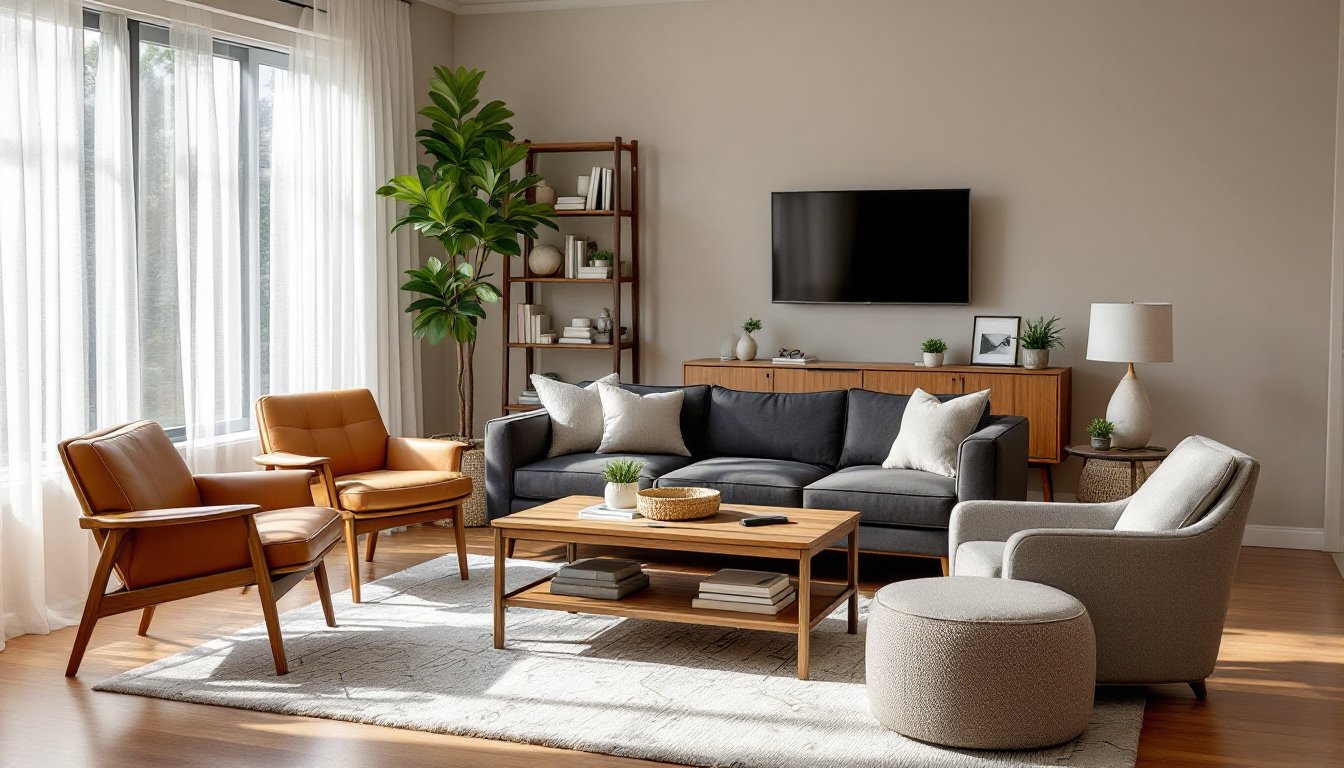
Most functional living rooms share a core lineup of furniture, regardless of style preference. Seating forms the foundation, typically a sofa or sectional as the anchor, supplemented by chairs or additional seating as space allows. Tables come next: a coffee table for the central zone, plus end tables or side tables flanking seating for lamps, drinks, and remotes.
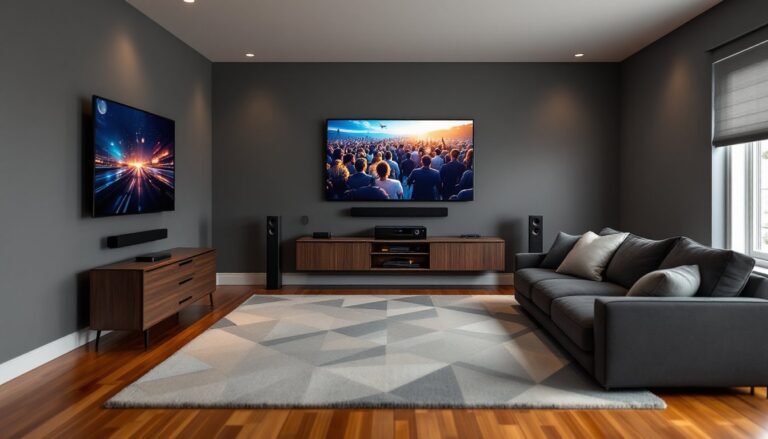
Storage addresses the practical side. Media consoles house electronics and hide cable clutter, while bookcases or cabinets handle overflow from books, games, and miscellaneous items. Lighting isn’t furniture per se, but floor lamps and table lamps on proper stands shape how the room functions after dark.
The exact mix depends on room size and usage. A 12×14-foot living room might max out with a sofa, two accent chairs, a coffee table, and one media console. Larger spaces (16×20 feet or more) can handle sectionals, multiple occasional tables, and freestanding storage without feeling cramped. Smaller rooms (10×12 feet) often work better with a loveseat, one side table, and wall-mounted shelving to preserve floor space.
Skip pieces that don’t serve a clear purpose. If no one reads in the living room, skip the floor lamp and bookcase. If the TV sits on a low stand and there’s no media equipment, a console becomes dead weight. Prioritize what the household actually uses daily.
Choosing the Right Sofa or Sectional for Your Space
Sofa selection starts with measurements, not aesthetics. Measure wall length, doorway width (including the frame and any trim), and stairwell dimensions if moving upstairs. Standard three-seat sofas run 72–96 inches wide, while sectionals can stretch 100–140 inches in an L-configuration. Leave at least 30–36 inches of clearance between the sofa front and the coffee table, and 24 inches minimum for walkways behind or beside seating.
Frame construction separates furniture that lasts a decade from pieces that sag in two years. Kiln-dried hardwood frames (oak, maple, beech) withstand daily use. Avoid softwood or particleboard frames, they’ll wobble under stress. Corner blocks and double-doweled joints add rigidity: ask retailers about joinery methods if buying in person. For upholstery, performance fabrics with stain resistance (often labeled with treatments like Crypton or similar) handle spills better than untreated cotton or linen, especially in homes with kids or pets.
Sectionals work well in large, open-plan spaces or rooms where the sofa needs to define zones. They’re less flexible for rearranging, though, and many designs involve separate modules that can shift or separate over time. Standard sofas offer more layout versatility and fit through narrower doorways more easily. For rooms under 200 square feet, a sofa with a chaise or a loveseat plus chairs often provides better traffic flow than a full sectional.
Seat depth matters for comfort. Standard depth is 20–22 es, which suits most adults. Deeper seats (24+ inches) feel lounge-like but can be awkward for shorter individuals or anyone who prefers sitting upright. Test in person if possible, or check return policies when ordering online.
Coffee Tables and Accent Tables That Make a Statement
Coffee table height should align with sofa seat height, typically 16–18 inches off the floor. Tables that sit too low force awkward reaching: tables too high block sightlines across the room. Length-wise, aim for a table that’s roughly two-thirds the sofa’s width, a 90-inch sofa pairs well with a 54–60-inch table.
Material choice affects durability and maintenance. Solid wood (oak, walnut, maple) handles daily abuse and ages visibly, which some homeowners prefer. Glass tops show every fingerprint but keep small rooms feeling open. Metal frames (steel, iron) add industrial character and support heavy loads without flexing. Avoid MDF or veneer-topped tables in high-traffic homes, they chip and peel under normal use.
Consider storage features if the room lacks built-ins. Lift-top coffee tables with interior compartments hide remotes, coasters, and magazines. Lower shelves on open-frame tables work for decorative baskets or frequently used items. Drawers add concealed storage but reduce legroom underneath. Many homeowners appreciate end tables with built-in drawers for small-space organization near seating areas.
Accent tables fill gaps where end tables won’t fit. C-shaped tables slide under sofa arms for laptop work or snacks. Nesting tables pull apart when guests visit, then tuck away to save space. Console tables behind sofas (especially in open floor plans) create a visual boundary and provide surface space for lamps or decor. Keep accent table heights within 2 inches of adjacent seating for ergonomic access.
Storage Solutions: Media Consoles, Shelving, and Cabinets
Media consoles need to accommodate electronics first, style second. Measure TV width and allow at least 6 inches of clearance on each side, a 55-inch TV (roughly 48 inches wide) fits comfortably on a 60-inch console. Check depth, too: modern components are shallow, but receivers and gaming consoles often need 16–18 inches of depth including ventilation space and cable management.
Look for ventilation, solid backs trap heat and shorten equipment lifespan. Consoles with open backs, removable panels, or slatted rear walls allow airflow. Built-in cable grommets or channels keep cords organized and accessible for swapping devices. Adjustable shelves let the layout adapt as equipment changes.
Bookcases and shelving units handle overflow storage and display. Standard bookcase depth is 10–12 inches, sufficient for most books and decor. For larger items (baskets, bins, electronics), choose 14–16-inch depth. Wall-anchoring is non-negotiable for any unit taller than 30 inches, tip-over accidents happen, especially in homes with children. Use furniture straps or L-brackets secured into wall studs, not just drywall anchors.
Closed cabinets hide clutter but add visual weight. In small rooms, open shelving or glass-front cabinets maintain a lighter feel while still offering storage. Floating shelves work well for displaying a few curated items but lack the capacity for heavy-duty storage. Designers at Homedit often showcase modular shelving systems that adapt to changing storage needs over time.
Material and load capacity matter for longevity. Solid wood and metal shelving support more weight per linear foot than particleboard or MDF. If storing books or media collections, verify the manufacturer’s weight rating, cheap units sag under load within a year.
Seating Options Beyond the Sofa: Chairs and Ottomans
Accent chairs add flexible seating and visual interest. Armless chairs slip into tight corners: wingbacks or club chairs anchor conversation zones. Seat height should match the sofa (17–19 inches typical) so guests aren’t looking up or down at each other. Swivel chairs work well in multi-use spaces where seating needs to pivot between the TV and a fireplace or window view.
Upholstery durability varies widely. Leather (top-grain or full-grain) resists stains and wears in rather than out, though it shows scratches. Microfiber and synthetic blends (polyester, nylon) handle spills and pet hair better than natural fibers like cotton or linen. Tight-weave fabrics (12+ stitches per inch) resist pilling and snagging longer than looser weaves. When furnishing a new home, selecting chairs that coordinate without perfectly matching the sofa creates a collected, less staged look that many first-time homeowners find more approachable.
Ottomans serve triple duty: footrests, extra seating, and coffee table alternatives when topped with a tray. Storage ottomans with lift-off lids hide blankets, toys, or seasonal items. Cube ottomans (18×18 inches or smaller) tuck under console tables when not in use. Larger cocktail ottomans (36+ inches wide) function as soft-edged coffee tables in homes with toddlers, reducing the risk of head bumps on hard corners.
Rocking chairs and recliners fit specific use cases. Glider rockers suit nurseries or reading corners: recliners appeal to households prioritizing comfort over formal aesthetics. Modern recliners have streamlined profiles that blend better with contemporary furniture than traditional bulky designs. Both styles require extra clearance, recliners need 12–18 inches of wall space behind them, rockers need floor space in front to avoid kicking adjacent furniture.
How to Arrange Living Room Furniture for Maximum Comfort and Flow
Traffic flow dictates layout success. Map primary pathways, entry to kitchen, hallway to bathroom, and keep them clear with at least 36 inches of walking space. Furniture pushed against walls doesn’t automatically improve flow: floating a sofa a few feet from the wall often creates better circulation and a more intentional seating zone.
Conversation distance matters for social spaces. Seat faces 8–10 feet apart allow comfortable conversation without shouting. Closer than 6 feet feels cramped: farther than 12 feet fragments the group. Arrange seating in a U-shape or L-shape to encourage interaction, with the open side facing a focal point (fireplace, TV, view).
Scale and proportion prevent visual imbalance. In a 14×16-foot room, a 96-inch sectional and oversized coffee table dominate: a 72-inch sofa with accent chairs balances better. Leave at least 18 inches between furniture pieces to avoid a cluttered feel. Vertical space counts too, tall bookcases or cabinets can overwhelm low-ceilinged rooms (under 8 feet), while rooms with 9+ foot ceilings handle taller pieces without feeling top-heavy.
Anchor with area rugs to define zones. A rug should extend under all seating front legs (at minimum) or fully under all furniture in the grouping for a cohesive look. Standard living room rugs are 8×10 or 9×12 feet: smaller rugs (5×7) work in compact spaces but can make the layout feel disconnected. Rug edges should sit 12–18 inches from walls to frame the furniture group without touching baseboards. Combining furniture placement strategies with modern design sensibilities ensures rooms feel both current and functional.
Test layouts with painter’s tape on the floor before moving heavy furniture. Mark furniture footprints and walk through the space to spot bottlenecks or awkward reaches. Adjust on paper (or tape) before committing to the final arrangement. Some homeowners exploring rustic aesthetics find that mixing wood tones and textures requires careful spacing to avoid visual clutter.
Conclusion
Selecting and arranging living room furniture involves equal parts measurement, material knowledge, and honest assessment of how the space gets used. Prioritize pieces that address specific needs, adequate seating, functional storage, proper lighting, then refine choices based on durability and fit. Trends showcased on platforms like Elle Decor offer inspiration, but the most successful layouts start with accurate dimensions and realistic traffic patterns, not aspirational mood boards. Measure twice, test arrangements with tape, and invest in quality construction where daily wear matters most.