
The outdoor areas of our homes have evolved from simple backyard spaces into extensions of our living environments. Whether you're planning a complete garden redesign or simply looking to upgrade a tired patio, the foundation of any successful outdoor project begins with selecting the right surface material. Modern homeowners are increasingly seeking solutions that combine aesthetic appeal with practical longevity, and the decking industry has responded with innovations that make outdoor living more accessible and enjoyable than ever before.
Creating an inviting outdoor retreat requires careful consideration of multiple factors, from climate conditions and maintenance requirements to design preferences and budget constraints. The surface you choose will set the tone for your entire outdoor space, influencing everything from furniture selection to landscaping decisions. Understanding the available options and their respective benefits allows you to make an informed decision that will serve your household well for decades to come.
The Evolution of Modern Outdoor Surfaces
Traditional timber decking has long been the standard choice for outdoor spaces, offering natural beauty and a classic appearance. However, the demands of contemporary living have driven significant innovation in this sector. Today's homeowners expect their outdoor surfaces to withstand harsh weather conditions, resist fading and staining, and require minimal upkeep while still delivering the warmth and character of natural materials.
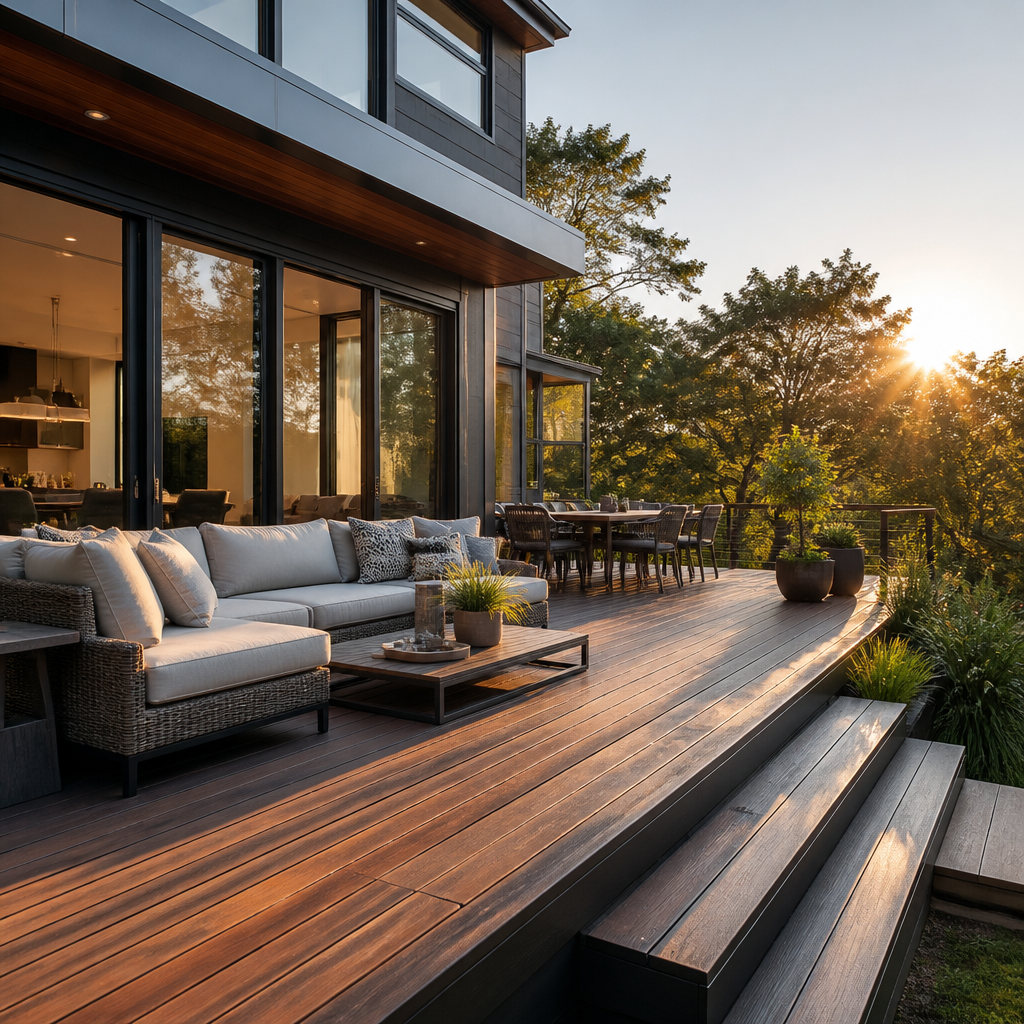
This is where composite decking has revolutionized the market, offering a compelling alternative that addresses many of the limitations associated with traditional wood. These engineered materials combine the aesthetic qualities people love about timber with enhanced durability and reduced maintenance requirements. The technology behind these products has advanced considerably, with manufacturers now producing boards that closely replicate the grain patterns and color variations found in premium hardwoods.
Understanding Your Material Options
When embarking on an outdoor project, one of the first decisions involves selecting the type of surface material that best suits your needs. The choice extends beyond simple aesthetics, encompassing considerations of longevity, environmental impact, installation complexity, and long-term cost of ownership. Each material category brings distinct advantages and potential drawbacks that should be weighed against your specific circumstances.
The decking market now offers an impressive range of solutions, from pressure-treated softwoods and tropical hardwoods to various composite formulations and even aluminum systems. Each option occupies a different position on the spectrum of cost, performance, and maintenance requirements. Softwoods represent the most economical entry point but demand regular treatment and upkeep. Hardwoods offer exceptional beauty and natural durability but come with higher initial costs and ethical sourcing considerations. Composite options bridge these extremes, delivering enhanced performance characteristics while eliminating the need for staining, sealing, or painting.
Climate Considerations and Performance
Your local climate plays a crucial role in determining which materials will perform optimally over time. Areas with significant rainfall require surfaces that resist moisture absorption and prevent mold growth. Regions experiencing intense sun exposure need materials with UV-resistant properties that won't fade or become uncomfortably hot underfoot. Freeze-thaw cycles present their own challenges, potentially causing expansion, contraction, and cracking in unsuitable materials.
Modern engineered surfaces have been specifically developed to address these environmental challenges. Many incorporate protective shells that shield the core material from moisture penetration while maintaining color stability even under direct sunlight. This technological approach ensures consistent performance across diverse climatic conditions, from coastal environments with salt air to continental regions with dramatic seasonal temperature variations.
NeoTimber: Innovation in Outdoor Living
Among the companies driving innovation in the outdoor surface sector, NeoTimber has established itself as a respected name in the industry. The company focuses on delivering products that balance aesthetic sophistication with practical performance, addressing the real-world needs of homeowners and contractors alike. Their approach centers on creating materials that replicate the visual appeal of natural timber while incorporating the durability advantages of modern composite technology.
NeoTimber's product development reflects an understanding that outdoor spaces serve multiple functions in contemporary homes, from entertaining areas and dining spaces to quiet retreats for relaxation. Their range includes various color profiles and texture options, allowing designers and homeowners to achieve specific aesthetic visions while benefiting from low-maintenance surfaces. The company's commitment to quality manufacturing ensures consistent product performance, with materials engineered to resist common issues such as splintering, warping, and insect damage that can compromise traditional wood surfaces.
Design Integration and Aesthetic Planning
Selecting the right surface material represents just one element of successful outdoor space design. The color and texture of your chosen material should complement your home's architectural style and existing landscape features. Contemporary homes often pair well with cooler gray tones and smooth textures, while traditional properties may benefit from warmer browns and more pronounced grain patterns that echo classic timber aesthetics.
Consider how your outdoor surface will interact with other design elements such as railings, built-in seating, and planters. Creating visual cohesion across these components produces a polished, intentional appearance that enhances your property's overall appeal. Many homeowners choose to incorporate contrasting border colors or diagonal laying patterns to add visual interest and define different functional zones within larger outdoor areas.
Maintenance and Longevity
The long-term cost of ownership extends well beyond the initial purchase and installation expenses. Traditional wood surfaces require regular maintenance including cleaning, sanding, staining, and sealing to preserve their appearance and structural integrity. These ongoing tasks represent significant investments of both time and money over the life of the installation.
Modern composite alternatives dramatically reduce these maintenance burdens, typically requiring only periodic cleaning with soap and water to maintain their appearance. This reduction in upkeep translates to substantial savings over the product's lifespan, often offsetting higher initial material costs. For busy households or property owners seeking low-maintenance solutions, this represents a compelling value proposition that should factor prominently in material selection decisions.
Making Your Decision
Choosing the right outdoor surface involves balancing multiple considerations to arrive at a solution that serves your specific needs. Begin by honestly assessing your willingness and ability to perform regular maintenance tasks. Consider your budget not just for initial installation but for ongoing upkeep over a fifteen to twenty-year period. Evaluate your aesthetic preferences and how different materials will complement your existing property features.
Consulting with experienced suppliers and installers provides valuable insights into how different materials perform in your specific climate and usage scenarios. Request samples to evaluate colors and textures in your actual outdoor environment, as materials can appear quite different under natural light compared to showroom conditions. Taking time to research and compare options ensures you'll make an investment that delivers satisfaction for years to come, creating an outdoor space that truly enhances your home and lifestyle.