
Black interior design isn’t for the timid, but it’s not as risky as most homeowners think. Done right, black creates depth, highlights architectural details, and makes other colors pop in ways neutrals can’t match. Whether it’s a single accent wall or a full dark-walled room, black is shedding its moody reputation and becoming a go-to choice for homeowners who want drama without the fuss. This guide breaks down how to use black effectively in your home, from choosing the right finish to avoiding the common pitfalls that turn bold into bleak.
Key Takeaways
- Black interior design creates dramatic depth and makes other colors pop by hiding imperfections and framing architectural details like a gallery wall.
- Paint finish is critical—matte black works in bedrooms for a cocooning effect, while satin and eggshell finishes are safer for high-traffic areas like living rooms and hallways.
- Layer your lighting with recessed LEDs, wall sconces, and warm-bulb table lamps (2700K–3000K) since black walls absorb up to 90% of natural light.
- Mix contrasting textures and materials like wood, brass, velvet, and linen to prevent black interiors from looking flat or oppressive.
- Dining rooms, bedrooms, powder rooms, and home offices are ideal candidates for black, while basements, kitchens, and kids’ rooms are best avoided.
- Start with a single accent wall, black trim, or furniture pieces if you’re hesitant about full black coverage, and always prioritize surface prep and premium paint quality to avoid streaks and roller marks.
Why Black Interior Design Is Making a Comeback
Black interiors are back, and this time, they’re sticking around. After years of all-white walls and pale grays, homeowners are craving contrast and personality. Black delivers both.
First, black hides imperfections. Drywall seams, patched nail holes, and minor texture inconsistencies disappear under dark paint in a way they never do with white or beige. That’s a practical win for older homes or DIY renovations where wall perfection is tough to achieve.
Second, black makes a room feel intentional. It frames furniture, artwork, and windows like a gallery wall frames a print. In an era where interior design inspiration floods social media, black offers a way to stand out without constant redecorating.
Finally, black works across styles. It complements rustic interior design as easily as it does sleek modern spaces. Pair it with reclaimed wood for warmth, or polished metal for an industrial edge. The color itself is neutral, it’s the finish and context that set the tone.
Key Elements of Black Interior Design
Black interiors succeed or fail based on a few critical decisions. Paint finish, lighting, and material choices matter more here than in any other color scheme.
Paint finish is the foundation. Flat or matte black absorbs light and works well in bedrooms or low-traffic areas where you want a cocooning effect. Eggshell or satin finishes reflect just enough light to keep walls from feeling like a void, these are safer bets for living rooms and hallways. Semi-gloss or gloss black is bold and works in small doses: trim, doors, or accent features. High-gloss black shows every fingerprint and surface flaw, so prep work is non-negotiable.
Lighting is your safety net. Black walls absorb up to 90% of natural light, so you’ll need layered artificial lighting. Recessed LEDs, wall sconces, and table lamps with warm bulbs (2700K–3000K) prevent the space from feeling like a cave. Install dimmer switches so you can adjust intensity throughout the day.
Contrast materials keep black from flattening. Mix textures: linen drapes, leather furniture, brass hardware, or a jute rug. Each material reflects light differently, adding dimension. A room with black walls and black furniture in the same finish will look one-dimensional, vary your materials to avoid that trap.
Balancing Black with Texture and Light
Texture is what saves black interiors from looking flat or oppressive. Smooth black drywall next to smooth black furniture equals visual boredom. Layer in materials that catch and scatter light.
Wood adds warmth. Walnut, oak, or even painted white wood trim creates a boundary that breaks up the darkness. If you’re keeping trim black, choose a different sheen than the walls, matte walls with semi-gloss trim, for example.
Metal finishes reflect light back into the room. Brushed brass, aged bronze, or polished nickel on light fixtures and cabinet pulls act as mini light sources. Avoid matte black metal, it’ll disappear into the walls.
Fabric and textiles soften hard surfaces. A chunky knit throw, velvet cushions, or a wool area rug introduce tactile variety. Light-colored textiles pop against black, but dark textiles in different textures (like charcoal linen or deep navy velvet) add subtle depth.
Natural light is your best friend. Don’t block windows with heavy drapes. Use sheer or semi-sheer panels that let daylight flood in while maintaining privacy. If privacy isn’t a concern, skip window treatments entirely, bare windows against black walls create striking contrast.
Rooms That Work Best with Black Interiors
Not every room is a good candidate for black. Size, function, and natural light all matter.
Dining rooms are ideal. They’re typically used in the evening with artificial lighting, so the light-absorbing quality of black isn’t a drawback. Black walls make dinner parties feel intimate and highlight chandeliers or pendant lights. Pair with a light-colored table or chairs to keep the room from feeling too enclosed.
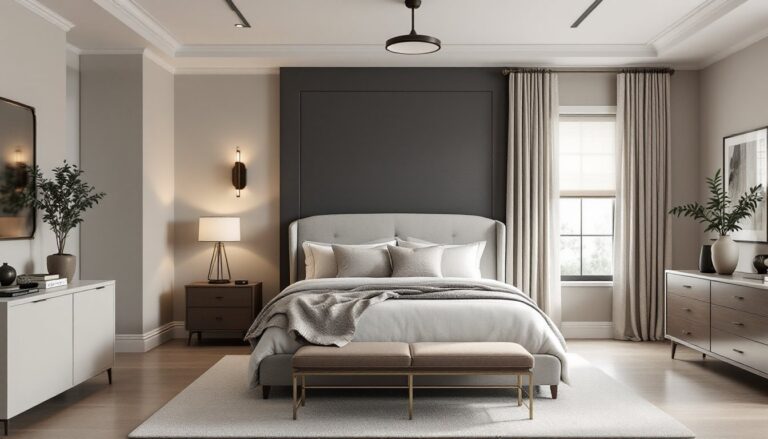
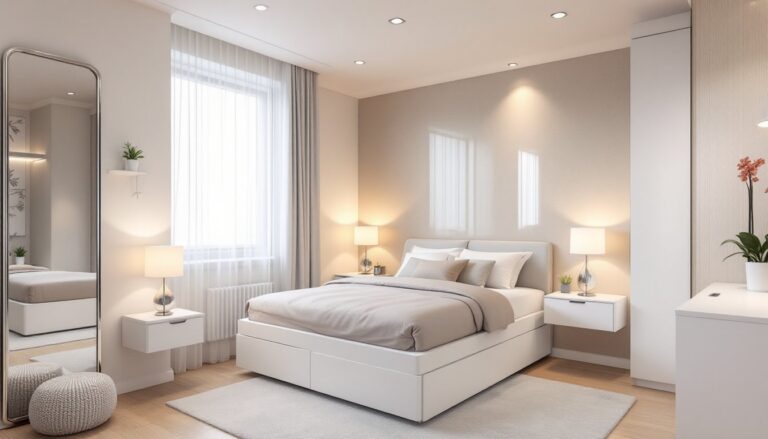
Bedrooms handle black well, especially if you want a restful, cocooning vibe. Stick to matte finishes and add plenty of bedside lighting. White or light-gray bedding provides contrast and keeps the room from feeling too heavy. If the bedroom is small (under 120 square feet), consider a single black accent wall behind the bed rather than full coverage.
Powder rooms are low-risk, high-reward spaces for black. They’re small, so paint costs are minimal, and guests expect bold design choices in these spaces. Add a statement mirror, brass fixtures, and good overhead lighting. Since powder rooms lack windows, you’re designing for artificial light anyway.
Home offices benefit from black when paired with good task lighting. Many designers have embraced sophisticated black room ideas for work spaces because the color reduces visual distractions. Use a lighter desk and ergonomic chair to balance the darkness.
Avoid black in:
- Basements with limited natural light and low ceilings
- Kitchens where grease splatters and handprints show on dark surfaces
- Kids’ rooms, unless they’re teenagers who specifically want it
Small rooms can work with black, but they require more effort. You’ll need ample lighting, light-colored furniture, and strategic mirrors to reflect light.
How to Incorporate Black Without Overwhelming Your Space
If painting all four walls black feels like too much, there are other ways to bring black into a room without full commitment.
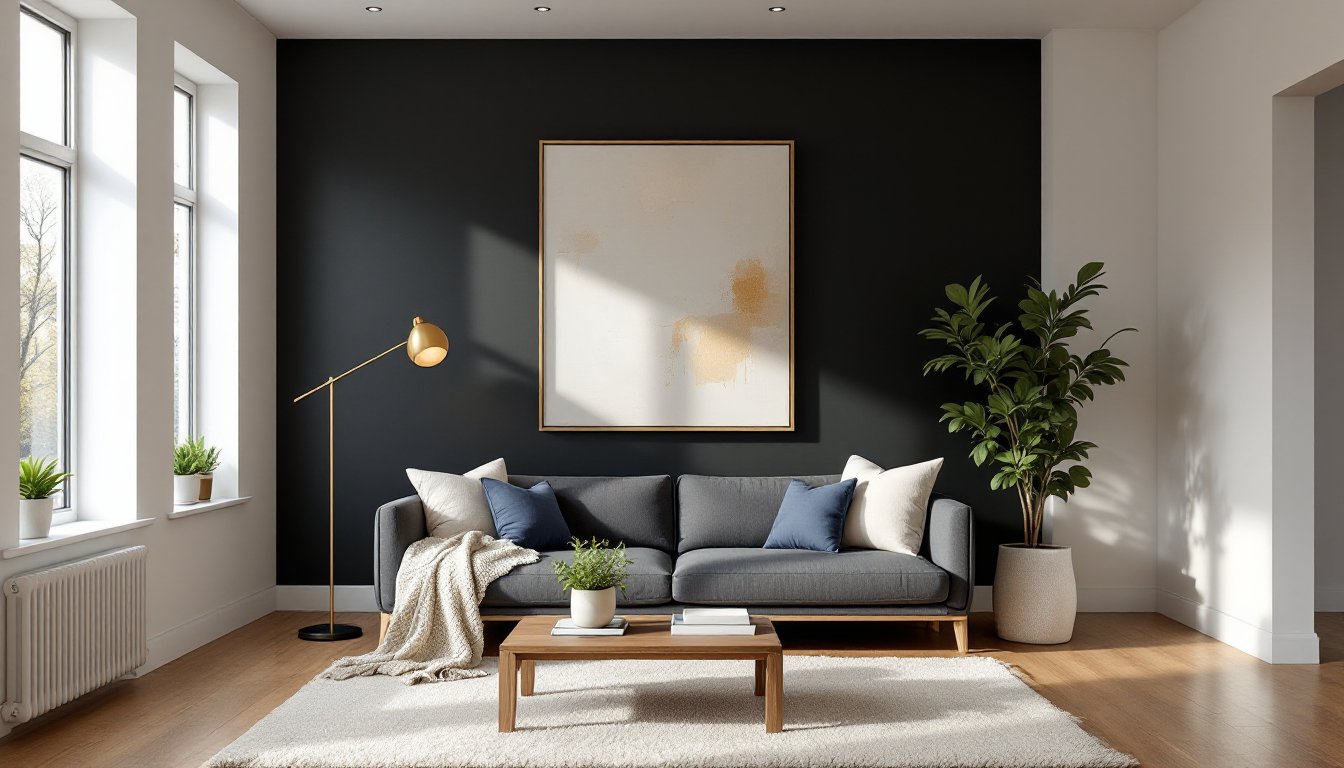
Accent walls are the safest entry point. Choose the wall behind a bed, sofa, or fireplace. The remaining three walls stay light, keeping the room open while adding drama. Use painter’s tape and a quality 2-inch angled brush for clean edges, cheap brushes leave streaks on dark paint.
Trim and doors create contrast without dominating the space. Painting baseboards, crown molding, door frames, and doors in black (semi-gloss or satin) against white or light-gray walls is a classic look that’s gained traction, according to trends featured on House Beautiful. This approach works in homes with traditional or modern architecture. Prep is everything: sand trim lightly with 220-grit sandpaper, prime with a stain-blocking primer, and apply two coats of black paint.
Ceilings are an unexpected place for black. A black ceiling with white or light walls makes the ceiling recede visually, which can actually make a room feel taller in certain contexts. It works best in rooms with high ceilings (9 feet or more) and good natural light. Test this in a closet or laundry room before committing to a main living space.
Furniture and built-ins let you try black without a paint roller. A black bookshelf, media console, or kitchen island brings the color in while remaining reversible. Black cabinetry is trending in kitchens, but keep upper cabinets light or use open shelving to prevent the space from feeling closed in.
Accent pieces: Black picture frames, light fixtures, hardware, and textiles (throw pillows, rugs) are the easiest way to test the waters. These can be swapped out seasonally or as trends shift.
Black Design Mistakes to Avoid
Black interiors are unforgiving if you skip key steps. Here are the most common mistakes and how to sidestep them.
Using cheap paint. Black shows roller marks, streaks, and thin coverage more than any other color. Use premium-grade paint with built-in primer and apply at least two coats. Expect to use more paint per square foot than you would with lighter colors, coverage is typically around 250–300 square feet per gallon for dark colors, not the standard 400.
Skipping surface prep. Every drywall imperfection will show under black paint. Patch holes with lightweight spackle, sand smooth with 150-grit sandpaper, then prime with a high-hide primer (gray-tinted works well under black). Skipping this step is the #1 reason DIY black walls look amateurish.
Ignoring undertones. Not all blacks are the same. Some have blue undertones, others lean brown, green, or gray. Test paint samples on multiple walls and view them at different times of day. A black that looks rich in morning light might turn muddy under evening lamps.
Insufficient lighting. As noted by design experts on Architectural Digest, black rooms need three types of lighting: ambient (overhead or recessed), task (reading lamps, under-cabinet), and accent (picture lights, sconces). Relying on a single overhead fixture will leave dark corners and make the room feel smaller.
Too much black. Walls, furniture, and floors all in black or near-black tones create a visual dead zone. Break it up with lighter furniture, rugs, or artwork. Aim for a 60-30-10 rule: 60% black (walls), 30% mid-tone (furniture, textiles), 10% light accent (pillows, art, hardware).
Forgetting about trim and ceiling color. Keeping trim and ceilings white or off-white when painting walls black creates a strong frame and prevents the room from feeling like a cave. If you paint trim black too, make sure ceiling height and lighting can support it, otherwise, the space will feel compressed.
Conclusion
Black interior design isn’t about making a space dark, it’s about creating contrast, depth, and intention. With the right prep, quality materials, and layered lighting, black transforms a room from forgettable to unforgettable. Start small if you’re unsure, an accent wall or black trim, and scale up as you get comfortable. The boldness pays off when done right.