
A dining room isn’t just a place to eat, it’s where families reconnect over weeknight dinners, where friends linger over coffee, and where holidays turn into memories. Whether it’s a dedicated room or a corner carved from an open floor plan, thoughtful interior design can transform a basic eating area into a space that balances function, comfort, and style. The good news? Most dining room upgrades don’t require structural changes or a contractor. With smart planning, attention to scale, and a few well-chosen elements, anyone can create a dining space that works hard and looks even better.
Key Takeaways
- Interior design for dining rooms starts with precise measurements and understanding how the space will be used—families need different layouts than those hosting regular gatherings.
- The dining table is the anchor of your interior design dining room, so choose one that matches both room dimensions and actual seating needs, typically allowing 24 inches of width per person.
- Proper lighting with a centered fixture hung 30–36 inches above the table, paired with dimmable controls and layered ambient lighting, sets the mood and improves functionality.
- Bold wall colors like charcoal or navy work well in dining rooms since people spend less continuous time there, but coordinate with adjacent spaces to maintain visual flow.
- Choose flooring and rugs that handle spills and wear—hardwood with felt pads, luxury vinyl plank, or synthetic rugs that extend 24 inches beyond the table on all sides.
- Finish your dining room with intentional decorative elements like sideboards, mirrors, and low centerpieces that add personality without blocking sight lines or creating clutter.
Understanding Your Dining Room’s Purpose and Layout
Before shopping for furniture or paint, homeowners need to define how the space will actually be used. A household that hosts weekly game nights needs different seating and surface area than one that uses the table for assignments and occasional meals.
Start by measuring the room, actual dimensions, not guesstimates. Note door swings, window locations, and any architectural features like radiators or built-ins. Leave at least 36 inches of clearance around the table perimeter so chairs can pull out without hitting walls or blocking traffic. For tighter spaces, 30 inches works but feels cramped when multiple people stand up at once.
Consider sight lines and flow. If the dining area connects to a kitchen or living room, arrange furniture so it doesn’t create bottlenecks. Open-concept layouts often benefit from area rugs or lighting changes to visually define the dining zone without walls. Traffic patterns matter, guests shouldn’t have to squeeze behind seated diners to reach other rooms.
For multi-use spaces (think: dining table that doubles as a workspace), plan for flexibility. Extendable tables, stackable chairs, or a sideboard for clearing clutter quickly can make the same square footage serve multiple needs without constant rearranging.
Choosing the Perfect Dining Table and Seating
The table is the anchor. Get this wrong and everything else suffers.
Table size should match both room dimensions and actual use. A family of four might need seating for eight during holidays. As a rule of thumb, allow 24 inches of table width per person, more if chairs have arms. Rectangular tables fit narrow rooms: round or oval tables encourage conversation and work better in square spaces.
Check table height: standard dining tables sit at 28 to 30 inches tall. Counter-height tables (34 to 36 inches) create a casual vibe but require taller stools, which can feel awkward for longer meals. Leave 10 to 12 inches between the seat and the table’s underside for comfortable leg clearance.
Material choice affects both durability and maintenance. Solid wood handles daily wear but can scratch and needs periodic refinishing. Engineered wood with veneer costs less and resists warping. Glass tops show every fingerprint but make small rooms feel larger. If young kids are in the picture, skip glass, it’s not worth the stress.
For seating, match chair height to table height and test before buying. Chairs without arms tuck neatly under the table: armchairs feel more formal but need extra clearance. Benches work well on one side of rectangular tables and accommodate more people in a pinch. Upholstered seats add comfort for long dinners but collect crumbs and stains, consider performance fabrics or removable covers.
Mixing chair styles is trendy, but stick to a unifying element (same finish, similar scale, or coordinated color) so it looks intentional rather than mismatched.
Lighting Design That Sets the Right Mood
Lighting makes or breaks the dining experience. Too bright feels like an interrogation: too dim and guests can’t see their plates.
A chandelier or pendant light centered over the table is standard for good reason, it defines the space and provides task lighting. Hang the fixture so the bottom sits 30 to 36 inches above the table surface. For 8-foot ceilings, go closer to 30 inches: for higher ceilings, add 3 inches per additional foot of ceiling height.
Size matters. The fixture’s diameter should be about half to two-thirds the table’s width. A 60-inch table pairs well with a 30-inch-wide chandelier. Too small looks awkward: too large overwhelms the space and risks head bumps.
Dimmer switches are non-negotiable. They let the same fixture handle bright family dinners and intimate gatherings. Install a standard rotary or slide dimmer, most cost under $20 and take 15 minutes to swap in. Make sure the bulbs are dimmable: many LEDs aren’t unless labeled specifically.
Layer in ambient lighting with wall sconces, recessed cans, or a floor lamp in the corner. This prevents the “spotlight effect” where the table glows but the rest of the room disappears. Aim for warm white bulbs (2700K to 3000K), they’re flattering to skin tones and food.
For candelabras or decorative lamps on sideboards, those are accent lighting. They add charm but shouldn’t be the primary source unless someone enjoys dining by candlelight regularly (which is great, but impractical for assignments).
Color Schemes and Wall Treatments for Dining Rooms
Color sets the tone, literally. Dining rooms can handle bolder, moodier palettes than other spaces because people spend less continuous time there.
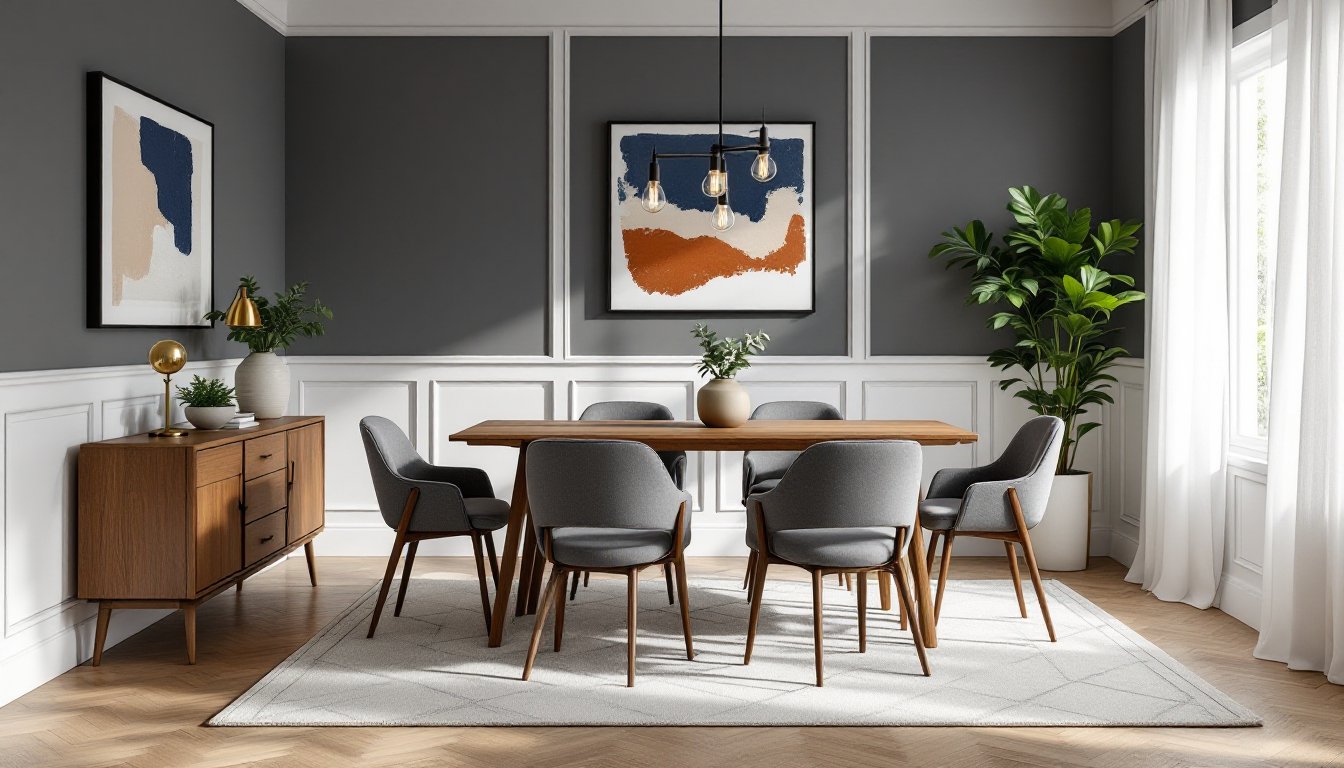
Deep shades like charcoal, navy, or forest green create intimacy and make evening meals feel special. Lighter tones, soft grays, warm whites, or muted pastels, keep smaller rooms from feeling cramped. If the dining area flows into other spaces, coordinate with adjacent rooms so the transition doesn’t jar the eye. Designers offering home styling advice often suggest using accent walls to test bold colors before committing.
Paint is the easiest upgrade. Use satin or semi-gloss finish instead of flat, it wipes clean when someone inevitably splashes marinara. One gallon covers roughly 350 to 400 square feet depending on texture and color intensity. Dark colors often need two coats for even coverage.
Wallpaper works well in dining rooms, especially patterns or textures that add visual interest without clutter. Peel-and-stick versions make this a weekend DIY project. For traditional wallpaper, prep is critical: fill any holes, sand smooth, and apply primer. Skipping prep leads to bubbles and peeling seams within months.
Wainscoting or board-and-batten adds architectural detail and protects walls from chair backs. Standard wainscoting height is 32 to 36 inches, roughly one-third the wall height. Install it with construction adhesive and finishing nails, then caulk seams and paint. It’s a moderate-skill project that takes a weekend but elevates the room permanently.
For rental-friendly options, try large-scale art, removable decals, or a gallery wall. Keep frames consistent in style (all wood, all metal) even if sizes vary.
Flooring and Rug Selection for Function and Style
Dining rooms take a beating: dropped forks, spilled wine, chair legs scraping back and forth. Flooring and rugs need to handle it.
Hardwood is classic and durable, but scratches show over time. Use felt pads under all chair and table legs, the adhesive-backed ones from the hardware store work fine. For high-traffic dining areas, consider engineered hardwood: it’s more stable in humid climates and easier to install as a DIY project using click-lock planks.
Tile or luxury vinyl plank (LVP) offers better stain and moisture resistance. LVP mimics wood or stone but installs without mortar or grout, and it’s warmer underfoot. It’s a solid choice for homes with kids or pets. If replacing flooring, check whether the existing subfloor is level, more than 1/4 inch variation over 10 feet requires leveling compound before installation.
An area rug anchors the table and softens acoustics (hard surfaces echo). The rug should extend at least 24 inches beyond the table on all sides so chairs remain on the rug when pulled out. For an 8-foot table, that means a rug at least 10 feet long.
Material matters. Natural fibers like jute or sisal look great but stain easily. Wool resists stains and feels plush but costs more. Synthetic rugs (polypropylene, nylon) handle spills best and often go in the washing machine or clean with a carpet shampooer. Flatweave or low-pile rugs are easier to vacuum and don’t snag chair legs like high-pile shag.
Use a rug pad, always. It prevents slipping, protects floors, and extends rug life. Trim the pad slightly smaller than the rug so it doesn’t peek out.
Decorative Elements and Finishing Touches
Once the big pieces are in place, finishing touches bring personality without clutter.
Sideboards or buffets provide storage for linens, servingware, and the stuff that piles up on dining tables between meals. Standard height is 34 to 36 inches, similar to kitchen counters. Style the top with a lamp, a tray for corralling items, or a low bowl, avoid blocking sight lines across the room.
Mirrors amplify light and make small spaces feel larger. Hang one opposite a window to bounce natural light around, or use it as a focal point on the main wall. Keep the frame proportional, an oversized mirror on a narrow wall looks off-balance.
Artwork and wall decor should scale with the room. A single large piece (40 inches or more) works better than a scattered collection of small frames. Hang art so the center sits at eye level, roughly 57 to 60 inches from the floor. For pieces above a sideboard, leave 6 to 8 inches between the furniture and the bottom of the frame.
Fresh or faux greenery adds life without much effort. A centerpiece works if it’s low (under 12 inches) so guests can see each other across the table. Tall arrangements are fine on sideboards but move them during meals.
Textiles, table runners, placemats, napkins, are the easiest way to shift style seasonally. Stick to machine-washable fabrics unless someone genuinely enjoys ironing linen. Collections of diverse dining room concepts show how small textile changes refresh the space without repainting.
Avoid overcrowding. A dining room with too many decorative objects feels cluttered. Prioritize what actually gets used or genuinely sparks joy, the rest can go in storage or another room. Those hunting for even more inspiration can explore comprehensive dining room designs that cover everything from furniture to color trends.
Conclusion
A well-designed dining room doesn’t require a designer budget or months of construction, just clear priorities, accurate measurements, and attention to the details that matter. Focus on furniture that fits the space and actually gets used, lighting that adapts to different occasions, and finishes tough enough to handle real life. With those basics dialed in, the rest is just fine-tuning.