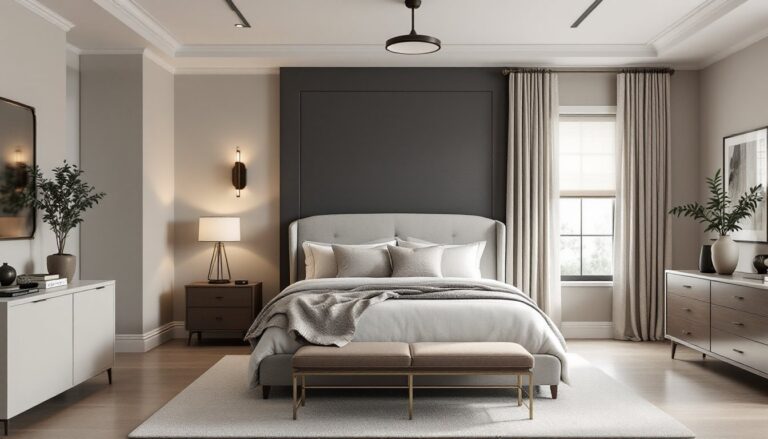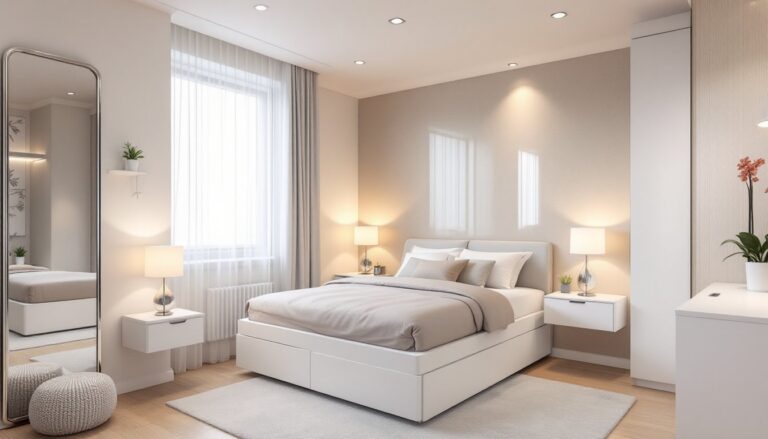

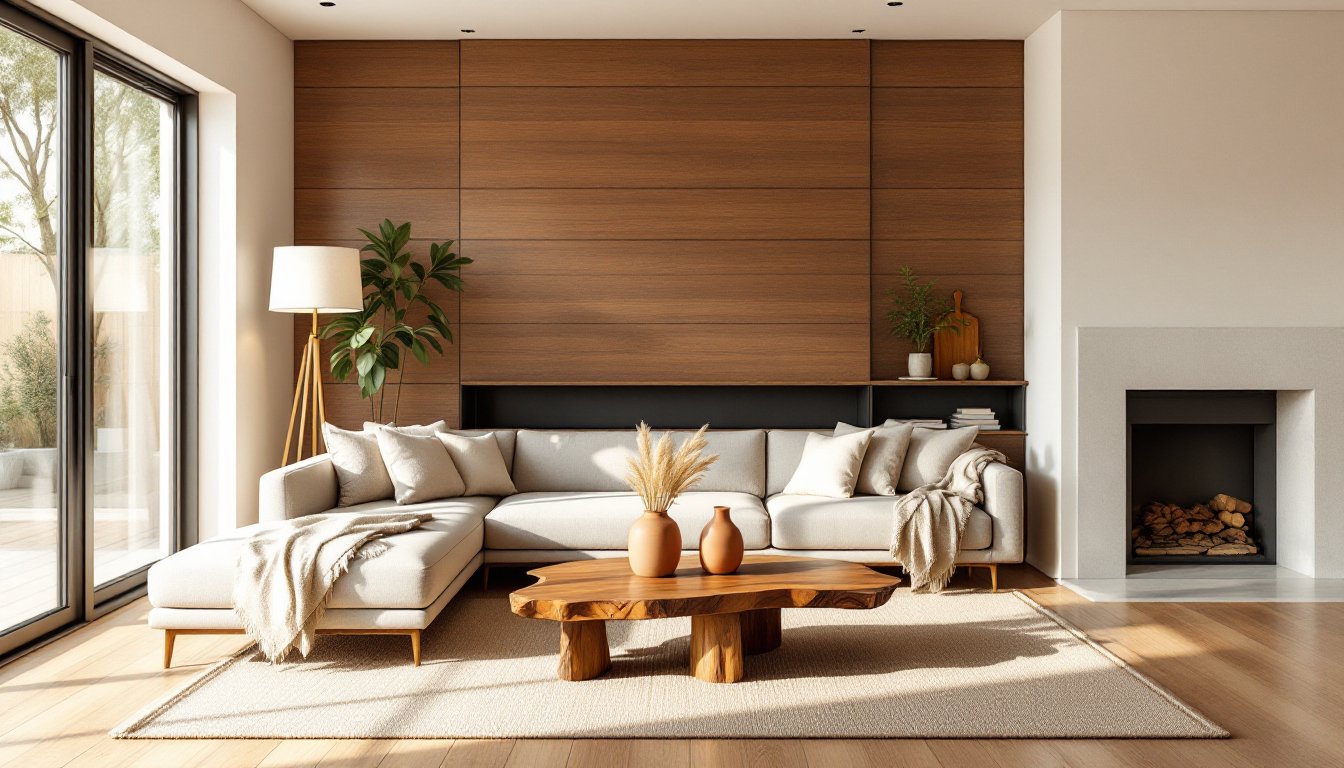
Warm modern interior design merges the clean lines and simplicity of contemporary style with the tactile comfort of organic materials and inviting hues. It’s the antidote to stark, cold minimalism, a design approach that honors both function and feeling. This style works particularly well for homeowners who want a space that looks current but doesn’t sacrifice livability. Unlike traditional modern design that can feel clinical, warm modern brings in texture, layered neutrals, and natural elements to soften edges. The result is a home that feels both polished and welcoming.
Key Takeaways
- Warm modern interior design combines contemporary clean lines with cozy, tactile elements like natural wood, textured textiles, and warm color palettes to create inviting, livable spaces.
- Natural materials—including white oak, walnut, linen, bouclé, and honed stone—are essential to warm modern design, and layering three to four textures in a single room creates visual depth without clutter.
- A warm color palette of earth tones (terracotta, ochre, warm greys, taupe) with matte wood finishes and accent colors like sage green or rust prevents cold, clinical interiors.
- Warm modern interior design achieves comfort through strategic lighting with 2700K–3000K bulbs, layered ambient and task lighting, and dimmers that enhance coziness and reduce harshness.
- Simple, intentional furniture with clean lines and rounded edges paired with minimal, meaningful decor (plants, ceramics, handwoven baskets) balances the modern aesthetic with human warmth.
- Open shelving, exposed wood beams, and open-concept layouts work well in warm modern spaces when balanced with area rugs and furniture arrangement that define zones without closing them off.
What Is Warm Modern Interior Design?
Warm modern interior design is a hybrid aesthetic that balances contemporary architecture with cozy, human-centered details. Think open floor plans, but with plush area rugs. Clean-lined furniture, but upholstered in linen or bouclé instead of leather or metal.
At its core, this style prioritizes simplicity without austerity. It strips away clutter and ornate detailing but replaces them with warmth through material choice, color temperature, and thoughtful lighting. You won’t see heavy crown molding or baroque flourishes, but you will find reclaimed wood beams, handwoven throws, and matte-finish cabinetry.
The style emerged as a reaction to the ultra-minimalist trends of the 2010s, which often left spaces feeling uninhabitable. Warm modern acknowledges that homes should support daily life, meaning surfaces that age gracefully, furniture that invites sitting, and finishes that don’t show every fingerprint. It’s about creating breathing room without making a space feel empty or sterile.
Key Elements of Warm Modern Style
Natural Materials and Textures
Warm modern leans heavily on natural materials to soften the angular precision of contemporary design. Wood is the workhorse here, white oak, walnut, and teak are popular choices for flooring, cabinetry, and accent walls. Unlike painted or high-gloss finishes, these woods showcase grain and character.
Stone and concrete also play a role, but they’re used with intention. A honed marble countertop or a poured concrete fireplace surround adds weight and permanence without the cold edge of polished granite. Textured plaster walls, lime wash finishes, and exposed brick bring in dimension that flat drywall can’t match.
Textiles layer in additional warmth. Look for wool rugs, linen curtains, cotton throws, and jute or sisal for underfoot texture. Bouclé upholstery has become a hallmark of this style, it’s visually soft and pairs well with streamlined furniture frames. Avoid synthetics that photograph well but feel plasticky in person.
Layering is critical. A single material or texture reads as flat: combining three or four in a single room creates depth. Pair a leather sofa with a chunky knit throw, a live-edge coffee table, and a shag rug. The variety keeps the eye moving without creating visual noise.
Warm Color Palettes That Invite Comfort
Color in warm modern design skews neutral, but it’s never boring. The palette revolves around earth tones, think terracotta, ochre, warm greys, taupes, and creams. These hues have undertones of red, yellow, or brown, which read as inherently warmer than cool greys or stark whites.
White walls are still common, but they’re increasingly replaced by off-whites with a hint of warmth: shades like Swiss Coffee, Alabaster, or Natural Linen. These colors reflect light without the sterile hospital feel of pure white.
Accent colors often come from nature: sage green, rust, burnt sienna, and charcoal. These can appear in upholstery, artwork, or a single painted accent wall. The key is restraint, one or two accent colors per room, used sparingly.
Wood tones act as a neutral in this style. A medium or dark wood floor anchors a room and allows lighter walls and furniture to breathe. Avoid the orange-toned oak or cherry of the ’90s: today’s warm modern aesthetic favors walnut and white oak with natural or matte finishes.
Steer clear of high-contrast pairings like black and white unless you’re balancing them with significant texture and warmth elsewhere. The goal is a cohesive, low-contrast palette that feels enveloping rather than jarring.
How to Achieve Warm Modern Design in Your Home
Start with the bones of the space. If you’re renovating, prioritize clean architectural lines: flat-panel cabinetry, simple trim (or none at all), and unadorned windows. Remove dated features like chair rails, heavy crown molding, or ornate tile backsplashes. If you’re working within an existing space, paint is your fastest tool, choose warm neutrals and eliminate any cool blues or stark whites.
Flooring sets the tone. If you’re installing new floors, consider engineered hardwood in white oak or walnut with a matte or satin finish. Luxury vinyl plank (LVP) has improved dramatically and can mimic wood grain convincingly at a lower price point, though it lacks the warmth underfoot. For budget-friendly updates, area rugs in natural fibers can cover existing tile or laminate.
In the kitchen and bathroom, swap glossy subway tile for matte or textured tile. Zellige tile (handmade Moroccan clay tile) has become a staple in warm modern kitchens: its irregular surface catches light without being shiny. For countertops, honed or leathered stone finishes are more forgiving and tactile than polished surfaces.
Keep hardware simple and intentional. Matte black, brushed brass, or oil-rubbed bronze cabinet pulls and faucets work better than chrome or polished nickel, which skew cool. Avoid overly ornate hardware, simple bar pulls or edge pulls maintain the modern silhouette.
If structural changes are on the table, consider opening up walls (after consulting a structural engineer if they’re load-bearing). Warm modern thrives in open, flowing spaces, but it still needs definition. Use furniture arrangement, area rugs, or a change in flooring material to delineate zones without closing them off.
Don’t overlook the ceiling. Exposed wood beams (actual or faux) or a tongue-and-groove wood ceiling can add warmth overhead. If that’s beyond scope, a coat of warm white paint is an easy win. Avoid popcorn or heavy texture, which reads dated.
Furniture and Decor Choices for a Warm Modern Space
Furniture in warm modern spaces is characterized by clean lines, low profiles, and organic shapes. Look for sofas and chairs with exposed wood legs, rounded edges, and upholstery in natural fabrics. Avoid anything overly ornate or heavily tufted, simplicity is key, but not at the expense of comfort.
Modular sectionals work well in open-concept spaces, especially in neutral linen or wool blends. Pair them with a solid wood coffee table, whether that’s a live-edge slab, a simple oak rectangle, or a sculptural walnut piece. Glass and metal tables can work, but they need to be balanced with softer elements nearby.
For dining areas, a wood table with a natural finish anchors the room. Pair it with mixed seating: wood chairs on one side, upholstered chairs or a bench on the other. This mix of materials is central to warm modern interior design and prevents the space from feeling too matchy or staged.
Decor should be minimal but meaningful. A few well-chosen pieces, an oversized ceramic vase, a handwoven basket, a piece of abstract art in earth tones, will do more than a shelf full of tchotchkes. Incorporate live plants in natural fiber or ceramic pots: they add life and color without clutter.
Open shelving is popular in warm modern kitchens and living rooms, but it requires discipline. Display only what’s functional or beautiful: stoneware dishes, wooden cutting boards, a small collection of books. If you’re prone to clutter, stick with closed cabinetry.
When selecting decor, consider items featured in modern home design galleries that emphasize craftsmanship and natural forms. Avoid anything overly trendy or mass-produced: warm modern favors pieces that could live in your home for a decade without feeling dated.
Lighting Strategies to Enhance Warmth and Ambiance
Lighting is non-negotiable in warm modern design. The wrong light temperature or fixture style will undermine every other decision you’ve made.
Start with bulb color temperature. Choose bulbs in the 2700K to 3000K range (warm white) for living areas, bedrooms, and dining rooms. This mimics the glow of incandescent bulbs and enhances warm tones in wood and textiles. Avoid anything above 3500K, which reads as cool or clinical.
Layered lighting is essential. Combine ambient (overhead), task (reading lamps, under-cabinet), and accent (picture lights, sconces) sources. A single overhead fixture, no matter how stylish, won’t provide the depth or flexibility needed.
For ambient lighting, consider recessed LED cans on a dimmer switch. Space them evenly and avoid over-lighting, warm modern spaces often have lower overall light levels than traditional interiors, which adds to the cozy feel. Pendant lights over islands or dining tables should hang 30 to 36 inches above the surface: go for materials like brass, wood, or linen shades rather than chrome or glass.
Floor and table lamps are where you can introduce sculptural interest. Look for lamps with natural materials, ceramic bases, linen or paper shades, wood or brass frames. Avoid overly ornate or highly polished pieces.
Sconces flanking a fireplace or bed add symmetry and warmth without taking up floor space. Choose styles with warm metal finishes and diffused light rather than exposed bulbs, which can feel harsh.
Natural light deserves attention, too. Keep window treatments simple: linen or cotton curtains in neutral tones, roller shades in natural fibers, or even bare windows if privacy allows. Heavy drapes or fussy valances clash with the clean aesthetic. If you’re designing new construction or doing a major remodel, prioritize large windows and consider principles found in contemporary design inspiration that maximize daylight.
Dimmers on every circuit give you control over mood and energy use. Installing them is straightforward, most require a standard single-pole switch box and basic electrical knowledge. If you’re uncomfortable working with electrical, hire a licensed electrician. Dimmers cost $15 to $50 depending on features (smart home integration, preset scenes), and the labor for installation typically runs $50 to $100 per switch.
Safety note: Always turn off power at the breaker before working on any electrical fixtures or switches. Use a voltage tester to confirm the circuit is dead.