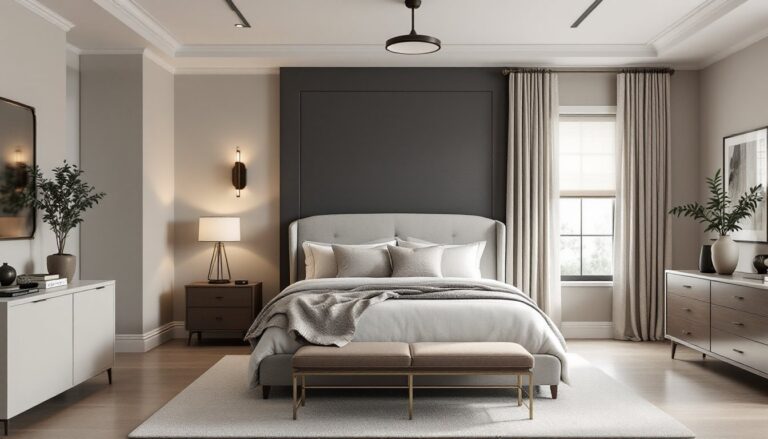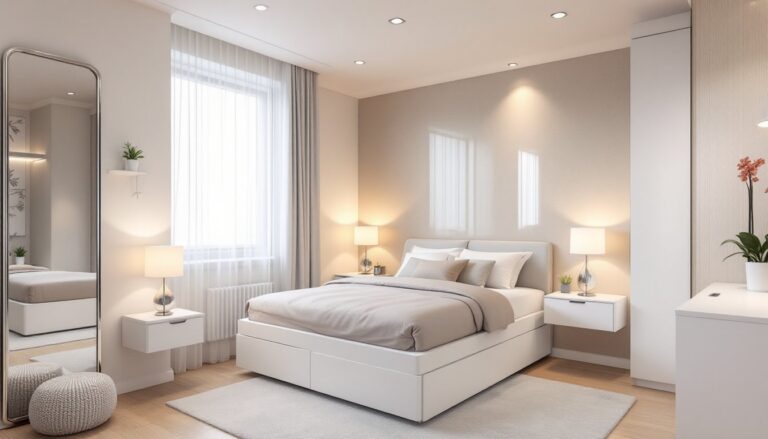

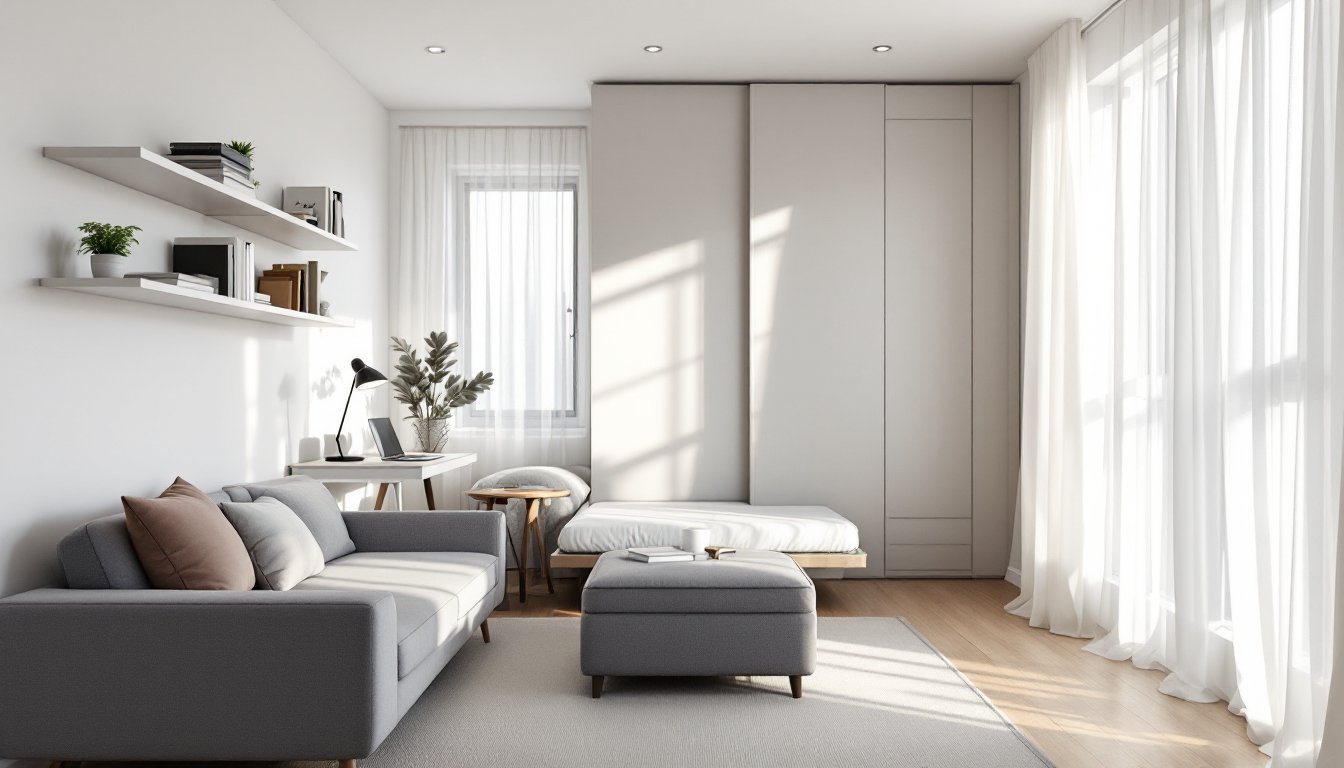
Living in a small apartment or compact house doesn’t mean settling for cramped quarters or sacrificing style. The reality is that tight spaces demand smarter design choices, not just scaled-down furniture from big-box stores. Whether someone’s working with a 400-square-foot studio or trying to maximize an awkward bonus room, small space interior design is about understanding how every inch can pull double duty. Forget the Pinterest fluff about “making memories in tiny places.” This guide breaks down the practical strategies, real measurements, and honest trade-offs that turn closet-sized rooms into livable, organized spaces without needing a contractor or a trust fund.
Key Takeaways
- Small space interior design requires smarter, deliberate choices—every inch must pull double duty through multi-functional furniture and strategic planning rather than scaled-down pieces alone.
- Light colors, monochromatic schemes, and layered lighting (ambient, task, and accent) are essential to make compact rooms feel larger and less claustrophobic.
- Vertical storage solutions like floor-to-ceiling shelving, floating shelves, and pegboard systems maximize unused wall space when floor space runs out.
- Multi-functional layouts using area rugs, open-back bookcases, and furniture zoning create distinct living areas in studios and tiny homes without permanent walls.
- Avoid common mistakes: buying furniture before measuring doorways, pushing all pieces against walls, choosing oversized items, and relying on single overhead lighting fixtures.
- Mixing open and closed storage, floating furniture inches from walls, and choosing appropriate window treatments that preserve natural light prevents compact spaces from feeling cramped or chaotic.
Why Small Space Design Requires a Different Approach
Standard design rules break down when floor space drops below 150 square feet. A conventional living room layout assumes enough clearance for traffic flow, separate seating zones, and accent pieces. Small spaces can’t afford that luxury.
The primary challenge is visual clutter. In larger rooms, a mismatched bookshelf or bulky armchair fades into the background. In a 10×12 bedroom, every piece of furniture competes for attention and physical space. The eye has nowhere to rest, which makes the room feel even smaller than its actual dimensions.
Load-bearing walls and structural elements also complicate small space renovations. Before knocking down a wall to create an open floor plan, homeowners need to verify whether it’s structural. Most interior walls in apartments and condos aren’t load-bearing, but confirming this often requires a licensed contractor or structural engineer. Removing a load-bearing wall without proper support can cause serious damage and definitely requires a permit in most jurisdictions.
Small spaces also amplify mistakes. Oversized furniture, dark paint in the wrong room, or poor lighting placement can make a compact area feel like a cave. That’s why planning matters more than inspiration boards.
Space-Saving Furniture Solutions That Actually Work
Not all “space-saving” furniture lives up to the hype. Murphy beds and fold-out desks work great in theory but require wall studs capable of handling the load, typically 200+ pounds for a queen-size wall bed plus mattress.
Sofa beds have come a long way from the old spring-frame nightmares. Modern designs with memory foam mattresses (4-6 inches thick) offer genuine sleeping comfort without taking up dedicated bedroom space. Look for frames with kiln-dried hardwood construction rather than particle board, which sags under repeated use.
Nesting tables and stackable stools provide surface area when needed but tuck away when the room needs to breathe. Choose sets with at least a 2-inch height difference between pieces so they nest cleanly without scraping finishes.
For dining areas, drop-leaf tables or wall-mounted fold-down tables work in kitchens as narrow as 36 inches wide. Make sure the wall anchors hit studs or use toggle bolts rated for at least 50 pounds per anchor if mounting to drywall alone. The Kitchn features numerous small kitchen solutions that demonstrate how fold-down surfaces maximize tight prep areas.
Ottoman storage beats traditional coffee tables in small living rooms. A 36-inch square ottoman with interior storage holds blankets, remotes, and magazines while doubling as extra seating or a footrest. Skip anything with sharp corners in tight traffic areas, bruised shins aren’t worth the aesthetic.
Avoid furniture with excessive ornamentation or thick frames. A sofa with 4-inch arms saves nearly a foot of width compared to one with 8-inch rolled arms, and that extra space matters when the whole room is 11 feet wide.
Color and Lighting Tricks to Make Rooms Feel Larger
Light colors reflect more lumens than dark ones, that’s physics, not just design preference. White or pale gray walls can reflect up to 80% of available light, while deep navy or charcoal absorbs most of it. In a room with only one small window, that difference is massive.
That said, all-white everything isn’t the only option. Monochromatic color schemes, using varying shades of the same hue, create visual continuity that makes walls recede. Painting trim, walls, and even the ceiling the same soft gray eliminates the visual “stops” that break up a small room.
Semi-gloss or satin finishes reflect more light than flat paint. One gallon of quality interior paint covers approximately 350-400 square feet with one coat, but small spaces with lots of windows and doors often need more due to cut-in work. Budget for two coats minimum.
Lighting layers matter more in compact rooms. A single overhead fixture creates harsh shadows and emphasizes the room’s size limits. Combining ambient, task, and accent lighting gives the eye multiple focal points.
- Ambient: Ceiling-mounted fixtures or recessed lighting (4-inch cans spaced 4-6 feet apart work for most rooms)
- Task: Adjustable desk lamps, under-cabinet LED strips in kitchens (2700-3000K color temperature for warm light)
- Accent: Wall sconces or LED strip lighting behind floating shelves to create depth
Dimmer switches provide flexibility and cost around $15-25 per switch for basic models. They’re easy DIY installs but require turning off the breaker first, non-negotiable for electrical safety. If uncomfortable working with live circuits, hire a licensed electrician.
Mirrors amplify natural light and create the illusion of depth, but placement matters. A large mirror opposite a window bounces daylight back into the room. A mirror facing a cluttered wall just reflects the mess.
Vertical Storage Strategies for Maximum Organization
When floor space maxes out, the only direction left is up. Floor-to-ceiling shelving uses the full wall height, often 8 feet in standard construction, instead of stopping at the typical 6-foot bookcase height.
Installing wall-mounted shelving requires hitting wall studs for anything holding more than a few pounds. Studs in modern construction are typically spaced 16 inches on center, though older homes might use 24-inch spacing. A basic stud finder costs $10-20 and prevents the frustration of patched drywall holes.
For shelving between studs, use French cleat systems or heavy-duty toggle bolts rated for the expected load. A shelf holding books can easily exceed 50 pounds, so skimping on hardware is a bad idea.
Floating shelves work well in bathrooms and kitchens where depth is limited. Most floating shelf brackets support 10-15 inches of depth, which fits toiletries, spices, or small dishware. Anything deeper looks awkward and blocks sightlines in tight spaces.
Creating water closet storage demonstrates how even the smallest rooms benefit from vertical thinking, wall-mounted cabinets and over-toilet shelving maximize every available inch.
Pegboard systems aren’t just for garages anymore. A 4×4-foot pegboard panel in a home office or craft room provides adjustable storage for supplies, tools, or accessories. Paint it to match the wall or use it as an accent feature.
Overhead storage in closets captures dead space above the hanging rod. Install a shelf at 84 inches (standard door height) to store seasonal items or luggage. Make sure shelf brackets are secured to studs or use appropriately rated anchors.
Don’t forget the backs of doors. Over-door organizers add storage without requiring any wall penetration, perfect for renters or anyone avoiding permanent modifications.
Multi-Functional Room Layouts for Compact Living
Studio apartments and tiny homes demand rooms that serve multiple purposes without feeling chaotic. The key is zoning, creating visual boundaries without actual walls.
Area rugs define separate zones in open layouts. A 5×7 rug under a dining table and a 6×9 rug anchoring the sofa creates distinct areas even when they’re in the same room. Leave at least 6-8 inches of floor visible around each rug to avoid a wall-to-wall carpet effect.
Bookcases as dividers provide storage while separating spaces. A 72-inch tall bookcase placed perpendicular to the wall creates a visual barrier between sleeping and living areas without the cost or permanence of framing a new wall. Choose open-back designs so light flows through.
Murphy desks fold up when not in use, converting a workspace back into a living area in seconds. Wall-mounted models require solid backing, hit at least two studs or use a full plywood backer board if mounting between studs.
Many designers recommend adaptable interior layouts that shift function throughout the day, especially in homes under 600 square feet.
Platform beds with built-in storage eliminate the need for separate dressers. Models with hydraulic lift mechanisms provide access to under-bed storage without wrestling with heavy mattresses. Expect to pay $400-800 for quality frames with this feature, but the space savings often justify the cost.
Rolling kitchen islands work as prep surfaces, dining tables, or bar carts depending on need. Look for locking casters to prevent unwanted movement, especially on sloped floors (which are more common than most people realize).
Curtain dividers offer the cheapest room separation option. Ceiling-mounted track systems allow curtains to slide open for an open layout or close for privacy. Use blackout or heavyweight fabric for better sound dampening and visual separation.
Common Small Space Design Mistakes to Avoid
The biggest mistake is buying furniture before measuring. A sectional that looked perfect in the showroom becomes an immovable obstacle in a 12×14 living room. Always measure doorways, hallways, and the actual room before committing to large pieces. Most furniture won’t fit through a standard 30-inch doorway if any dimension exceeds 28 inches.
Pushing all furniture against walls is another frequent error. In small rooms, this actually emphasizes the room’s compact size by creating a bowling alley effect. Floating furniture a few inches from the wall creates visual breathing room and makes the space feel more intentional.
Ignoring scale leads to rooms that feel cluttered even though minimal furniture. One oversized sectional might consume 60% of a small living room’s floor space, while two smaller loveseats with an open floor plan would feel more balanced.
Over-accessorizing is tempting when trying to make a small space feel personalized, but too many throw pillows, wall art pieces, and decorative objects create visual noise. The 60-30-10 rule helps: 60% dominant color, 30% secondary color, 10% accent color. This applies to furniture, wall colors, and accessories.
Skipping proper lighting is the fastest way to make a small room feel like a cave. Relying on a single overhead fixture creates harsh shadows and emphasizes the lack of space. Layer different light sources at varying heights.
Exploring diverse design approaches helps avoid cookie-cutter solutions that don’t fit specific room challenges.
Neglecting vertical space while cramming horizontal surfaces full of stuff is backward. Empty floor space makes a room feel larger, while bare walls feel like missed opportunities.
Choosing furniture with closed storage exclusively might seem practical, but mixing open and closed storage prevents the room from feeling like a row of filing cabinets. Display a few curated items on open shelves while hiding the clutter in closed cabinets.
Installing the wrong window treatments blocks natural light, which small rooms desperately need. Heavy drapes on small windows make rooms feel smaller. Choose sheer panels or top-down, bottom-up shades that provide privacy while maximizing daylight.
Conclusion
Small space design isn’t about cramming less stuff into fewer square feet, it’s about making deliberate choices that maximize function without sacrificing livability. Every piece of furniture should earn its place by serving multiple purposes or enhancing the room’s proportions. The difference between a cramped apartment and a well-designed compact home comes down to measurement, planning, and honest assessment of what the space actually needs. Plenty of design inspiration exists, but the real work happens with a tape measure, a stud finder, and a realistic furniture plan.