
Contemporary modern Mediterranean design doesn’t mean terracotta everything and faux-aged plaster. It’s a streamlined evolution, taking the region’s warmth, natural materials, and sun-drenched palette and pairing them with clean lines, minimal clutter, and today’s building standards. This hybrid style appeals to homeowners who want the soul of a coastal villa without the visual weight or maintenance headaches of traditional Mediterranean décor. The 2026 iteration leans harder into sustainability, neutral layering, and architectural honesty, exposed beams stay, but the wrought iron and heavy drapery often exit stage left.
Key Takeaways
- Contemporary modern Mediterranean interior design blends the warmth and natural materials of coastal villas with clean lines and minimal clutter, avoiding heavy ornamentation and visual weight.
- This style prioritizes natural materials like lime-washed walls, exposed wood beams, and honed stone, paired with a refined but curated aesthetic that feels grounded rather than staged.
- A warm neutral palette of soft whites, beiges, and greige with sparse accents of clay pink, sage green, and terracotta creates authentic Mediterranean warmth without stark or cool tones.
- Contemporary modern Mediterranean design emphasizes passive cooling, daylighting, and natural ventilation through large floor-to-ceiling windows and transom openings, reducing reliance on HVAC systems.
- Furnishings and décor should feature solid wood pieces with simple silhouettes, natural textiles like linen and wool, and organic materials such as rattan and unglazed ceramics in restrained quantities.
- Layered, warm-toned lighting (2700K–3000K) with dimmers, combined with hardworking architectural elements like rounded doorways and exposed beams, transforms modern spaces into livable Mediterranean interiors.
What Makes Contemporary Modern Mediterranean Design Unique?
The defining tension in this style is balance: old-world textures meet modern restraint. Traditional Mediterranean interiors, think Spanish Revival or Tuscan farmhouse, lean heavily on ornamentation, arched doorways, ornate tile work, and layered textiles. Contemporary versions strip that back. Arches might stay, but they’re wider and less embellished. Tile appears as an accent, not a floor-to-ceiling statement. Color palettes shift from saturated ochres and deep blues to softer, sun-bleached neutrals.
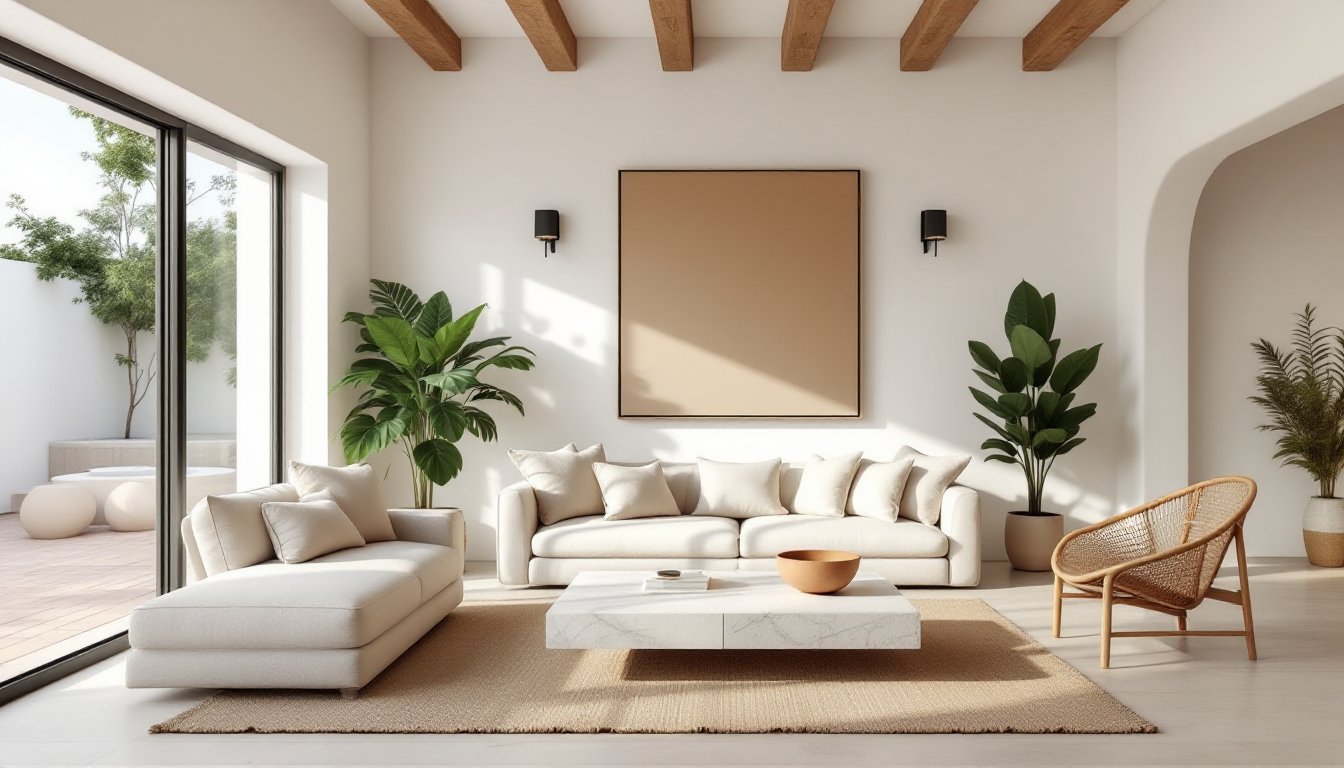
Materials tell the story. Lime-washed walls replace glossy paint, giving surfaces a matte, breathable finish that ages gracefully. Exposed wood beams, actual structural members, not decorative add-ons, anchor ceilings without competing for attention. Stone and plaster take center stage, often left in their natural state rather than painted or polished. The result feels grounded and livable, not like a stage set.
Architecturally, the style prizes natural ventilation, passive cooling, and daylighting, principles baked into Mediterranean building for centuries. Large windows, often floor-to-ceiling, replace small punched openings. Transom windows and clerestories bring light deep into floor plans. These aren’t just aesthetic choices: they reduce reliance on HVAC and align with 2026 energy codes pushing tighter envelopes and renewable integration.
Unlike rustic interior design, which celebrates patina and imperfection, contemporary Mediterranean keeps surfaces refined. Wood is oiled or waxed, not distressed. Stone is honed, not tumbled. The vibe is curated but not cold.
Essential Color Palettes and Material Choices
Start with a foundation of warm whites and soft beiges, think eggshell, linen, or greige with a yellow or pink undertone. These mimic sun-bleached stucco and pair well with natural light. Avoid stark whites or cool grays: they kill the Mediterranean warmth. Accent with terracotta, ochre, olive green, and dusty blue, but use them sparingly, one or two per room, max. In 2026, designers are leaning into clay pink and sage green as fresh alternatives to overused burnt orange.
For walls, lime plaster (also called Tadelakt or Venetian plaster) delivers texture and breathability. It’s a legitimate building material, not a faux finish. Application requires skill, hire a plasterer if you’re unfamiliar with trowel work. DIY alternatives include clay-based paints or textured roller techniques, though they won’t match lime’s depth or durability. Expect lime plaster to cost $8–$15 per square foot installed, depending on region and finish complexity.
Flooring should feel cool underfoot. Large-format porcelain or natural stone tiles (travertine, limestone, or honed marble) work best. Avoid high-gloss finishes: opt for matte or honed surfaces. For budget-conscious projects, luxury vinyl plank (LVP) in stone-look patterns can substitute, but choose products with realistic texture and color variation. Wood floors can work in bedrooms or upper levels, go for wide-plank European oak in natural or whitewashed finishes, ideally 7–9 inches wide.
Natural Textures That Define the Style
Linen, wool, and cotton dominate textiles. Skip synthetics and high-sheen fabrics. Linen curtains (unlined or with a simple cotton lining) filter light beautifully and move with airflow. Wool or jute rugs add warmth without pattern overload, stick to solids or subtle stripes. Avoid shaggy or high-pile options: low-profile flatweaves and hand-knotted styles fit better.
Rattan, wicker, and cane bring organic texture to furniture and lighting. These materials work in humid climates, historically, they were practical, not just decorative. Modern versions often mix rattan with powder-coated steel or oak frames for durability. When shopping, check joint construction: quality pieces use screws and dowels, not just glue.
Terracotta and unglazed ceramics add earthy weight. Use them for planters, vases, or decorative bowls. Avoid busy patterns, the material itself is the statement. For modern design inspiration that balances texture with restraint, focus on fewer, larger pieces rather than cluttered collections.
Key Furniture and Decor Elements to Incorporate
Furniture should feel solid but not bulky. Low-profile sofas and daybeds with linen or cotton slipcovers anchor living spaces. Look for pieces with exposed wood legs (oak, walnut, or teak) and simple silhouettes, no tufting, no ornate carving. Cushions should be firm: Mediterranean seating historically wasn’t overstuffed.
Dining tables are often the room’s focal point. A solid wood table, 8 to 10 feet long for a family room, grounds the space. Pair it with mismatched seating: a bench on one side, woven chairs on the other. This asymmetry feels collected, not catalog-matched. If the table’s reclaimed or live-edge, great, but avoid heavy distressing or dark stains. Natural or light oil finishes work best.
Cabinetry and built-ins should blend into walls. In kitchens, flat-panel or Shaker-style doors in matte white, cream, or pale wood keep things calm. Open shelving for everyday dishes adds function and breaks up upper cabinets. Mediterranean kitchens traditionally had minimal upper storage, items were kept in pantries or on open racks. If you’re renovating, consider reducing uppers by 30–50% and adding a walk-in pantry or floor-to-ceiling cabinetry on one wall.
Decorative accents should earn their place. A large ceramic olive jar (authentic or reproduction) anchors a corner. Woven baskets provide hidden storage. A single oversized mirror with a simple wood or iron frame reflects light without clutter. Avoid gallery walls or excessive art: one statement piece per wall is plenty. Modern home decor ideas often show restrained accessorizing that lets architecture breathe.
Greenery is non-negotiable. Large potted plants, fiddle-leaf figs, olive trees, or bird of paradise, bring life and scale. Use unglazed terracotta pots or woven baskets as cachepots. Smaller herbs (rosemary, thyme, lavender) work on windowsills or kitchen counters. They’re functional and aromatic, tying indoor and outdoor spaces.
How to Bring Mediterranean Warmth Into Modern Spaces
The key is softening hard modern edges without abandoning clean lines. If your home has stark white walls and polished concrete, introduce warmth through layered textiles and organic materials. Swap metal or glass coffee tables for a chunky wood or travertine piece. Replace sleek metal chairs with rattan or cane alternatives.
Architectural tweaks have the biggest impact. If you’re renovating, consider widening doorways into rounded arches. Standard doorways are 36 inches wide: Mediterranean-inspired arches often span 48–60 inches, requiring header work and potentially a structural engineer if load-bearing. Alternatively, add wood trim to create a faux arch profile, less expensive and reversible.
Ceiling treatments add character. Exposed wood beams (real or faux) break up flat drywall. Real beams, reclaimed or new rough-sawn lumber, mount directly to ceiling joists with lag bolts. Faux beams (hollow polyurethane or wood boxes) install with adhesive and are lighter but lack authenticity up close. Either way, stain or oil-finish them naturally: avoid painting beams the same color as the ceiling.
Window treatments should be minimal. Floor-to-ceiling linen curtains on simple rods (iron or wood) frame views without blocking light. Mount rods as close to the ceiling as possible, this tricks the eye into seeing taller windows. If privacy isn’t an issue, skip curtains entirely and let architectural lines speak. For sun control, interior wood shutters (painted white or left natural) offer a period-appropriate solution.
Lighting Strategies for Ambiance and Function
Layered lighting replicates the dappled light of a Mediterranean courtyard. Start with ambient sources, recessed cans or flush-mounts with warm LED bulbs (2700K–3000K). Avoid cool white (4000K+): it kills warmth instantly. Dimmers are essential: install them on all overhead circuits.
Pendant lights over islands or dining tables add focal interest. Choose materials like woven rattan, hammered brass, or ceramic. Skip glass globes and chrome finishes, they read too contemporary. Hang pendants 30–36 inches above countertops or tables to avoid head-bumping. For dining tables, use a single oversized pendant (24–30 inches wide) or a pair of smaller ones spaced evenly.
Sconces provide task and accent light without cluttering surfaces. Flank a bathroom mirror or reading nook with simple iron or ceramic sconces. Swing-arm styles work well beside beds, they’re adjustable and free up nightstand space. Hardwiring sconces requires cutting into walls and pulling wire: if that’s not feasible, plug-in versions with cord covers are a DIY-friendly alternative.
Natural light is the priority. If adding or enlarging windows, consider casement or awning styles that open outward, they’re traditional in Mediterranean climates and improve ventilation. Transom windows above doorways or at the roofline bring light into interior rooms without sacrificing privacy. Check local codes: egress windows in bedrooms must meet minimum size and height requirements (typically 5.7 square feet of opening, 24 inches high, 20 inches wide, and sill no more than 44 inches above the floor per IRC R310).
Room-by-Room Application Tips
Living Rooms: Anchor with a low sectional or sofa in linen or cotton. Add a jute or wool rug, size it so all furniture legs sit on the rug, not just the front legs. A wood or stone coffee table and a pair of woven chairs complete the seating. Keep end tables minimal or skip them, use floor lamps or sconces instead. One large piece of art or a statement mirror on the main wall.
Kitchens: Matte white or cream cabinetry with minimal hardware (or none, use push-to-open mechanisms). A backsplash in handmade ceramic tile (3×6 or 4×4 size) in white, cream, or soft green adds texture without pattern. Countertops in honed marble, quartzite, or white concrete stay true to the aesthetic. Open shelving for dishes and glassware. Pendant lights in rattan or ceramic over the island. A large farmhouse sink (fireclay or cast iron) in white completes the look.
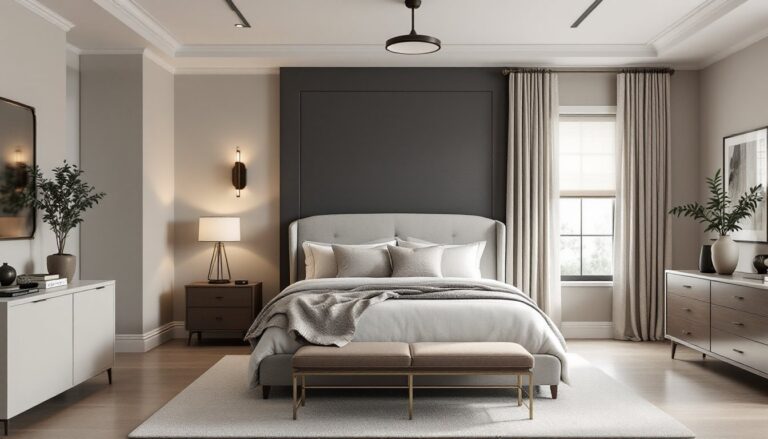
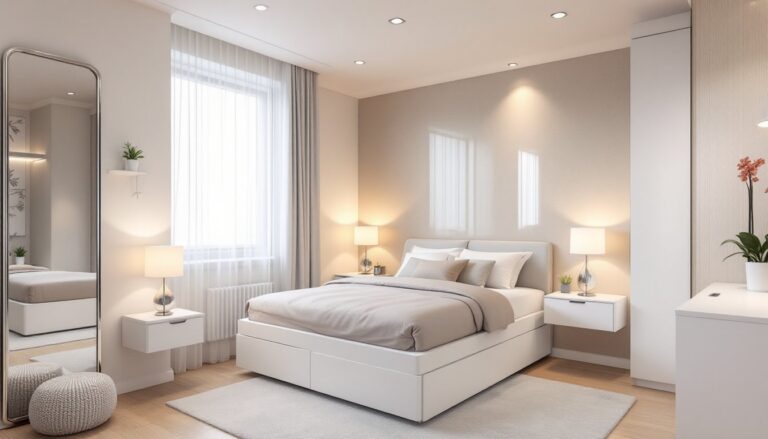
Bedrooms: Platform beds in wood or upholstered in linen keep sightlines low. Linen or cotton bedding in white, beige, or soft gray, skip busy patterns. A woven bench or stool at the foot of the bed. Nightstands in wood or rattan with simple table lamps. Blackout curtains aren’t traditional, but if needed, choose linen-blend versions in neutral tones. Keep décor minimal, one or two ceramic vases or a small plant.
Bathrooms: Large-format stone or porcelain tile on floors and walls. Tadelakt plaster in showers is traditional but requires skilled application and proper sealing. Floating vanities in wood (oak or walnut) with vessel sinks in stone or ceramic. Matte black or brushed brass fixtures. A large frameless or simply framed mirror. Linen hand towels and a woven basket for storage. Adequate ventilation is critical, install an exhaust fan rated for your room size (typically 50–80 CFM for a standard bath) to prevent moisture issues.
Outdoor Transitions: If your home opens to a patio or courtyard, blur the line. Use the same flooring tile inside and out, or transition from interior stone to exterior pavers in a complementary color. Large sliding or folding glass doors (8–10 feet wide) maximize the connection. Furnish outdoor spaces with weather-resistant versions of interior pieces, teak or powder-coated aluminum frames with outdoor linen cushions. Mediterranean homes often prioritize these indoor-outdoor relationships, which improve livability in temperate climates.