
Modern vintage interior design walks the line between nostalgia and functionality, combining the character of past eras with the clean efficiency of contemporary living. It’s not about turning a home into a museum or warehouse of antiques. Instead, it’s a curated approach that respects craftsmanship, embraces patina, and layers in modern elements that make a space livable today. Whether someone’s renovating a century-old home or adding soul to a brand-new build, this style offers a roadmap for spaces that feel collected, intentional, and genuinely personal.
Key Takeaways
- Modern vintage interior design balances curated vintage pieces with contemporary functionality, creating spaces that feel collected, intentional, and warm without becoming cluttered or museum-like.
- Successful modern vintage spaces rely on foundational elements like neutral wall colors, layered lighting, reclaimed materials, and architectural details such as crown molding or exposed brick to anchor character.
- When mixing old and new furniture, start with a modern neutral foundation and layer in carefully selected vintage accent pieces while maintaining finish harmony and appropriate scale to avoid visual chaos.
- Source authentic vintage pieces from local estate sales, salvage yards, and online platforms like Chairish or 1stDibs, but always inspect for solid wood joinery, structural soundness, and factor in potential restoration costs.
- Apply modern vintage design principles across every room—from anchoring living spaces with industrial lighting and vintage coffee tables to updating kitchens with open shelving and farmhouse sinks paired with modern quartz countertops.
- Avoid common mistakes such as overcrowding with too many vintage pieces, ignoring scale and traffic flow, neglecting function, and forgetting modern comforts like task lighting and ergonomic seating.
What Is Modern Vintage Interior Design?
Modern vintage isn’t a period style, it’s a hybrid. The approach pulls selectively from mid-century, Victorian, Art Deco, industrial, and farmhouse aesthetics, then anchors those pieces in contemporary layouts and color schemes. Think a 1960s teak credenza beneath a minimalist abstract print, or a refurbished apothecary cabinet next to a sleek sectional.
The “modern” half provides structure: open floor plans, neutral backdrops, and streamlined furniture that keeps sight lines clear. The “vintage” half adds texture, history, and visual interest, aged leather, turned wood legs, brass hardware, or reclaimed lumber. The key is balance. Too much vintage, and a room feels cluttered or theme-park. Too much modern, and it loses warmth.
This style works especially well in homes with good bones, original hardwood floors, tall baseboards, or crown molding, but it’s adaptable. Even a cookie-cutter apartment can gain depth with thoughtful vintage accents and restrained modern finishes.
Key Elements That Define the Modern Vintage Aesthetic
Several repeating elements signal a modern vintage space. Recognizing them makes it easier to shop, renovate, and arrange with intention.
Architectural details: Crown molding, wainscoting, picture rails, and exposed brick anchor vintage character. If those don’t exist, consider adding them. Modern MDF or polyurethane moldings can mimic historic profiles at a fraction of the cost, just prime and paint them in a matte or eggshell finish.
Reclaimed and natural materials: Salvaged wood beams, barn doors, and plank accent walls bring age and texture. Pair them with polished concrete, matte black steel, or white subway tile for contrast.
Layered lighting: Swap builder-grade flush mounts for Edison-bulb pendants, industrial cage fixtures, or vintage glass chandeliers. Dimmer switches (compatible with LED bulbs rated for dimming) let the homeowner dial in ambiance.
Textiles with history: Wool rugs, linen drapes, velvet upholstery, and quilts introduce softness without looking fussy. Patterns, florals, geometrics, stripes, work as long as they share a color family.
Mixing Old and New Furniture Pieces
This is where modern vintage gets hands-on. Start with a modern foundation, sofa, bed frame, dining table, in a neutral fabric or finish. Then layer in vintage accent pieces: a mid-century credenza, a painted secretary desk, a set of bentwood chairs, or a carved wood mirror.
Scale matters. A heavy oak armoire can anchor a bedroom, but in a small living room it’ll dominate. Balance large vintage pieces with lighter modern ones, glass-top coffee tables, slim metal shelving, or upholstered benches with tapered legs.
Finish harmony helps unify the mix. If modern pieces lean matte black and natural wood, choose vintage items in similar tones, walnut, brass, or painted black rather than cherry or chrome. The goal is dialogue, not clash.
Color Palettes That Bring Modern Vintage to Life
Modern vintage thrives on restrained, layered color. Walls typically stay neutral, warm white, greige, soft gray, or muted sage, to let furniture and art pop. These shades also mimic the lime-washed plaster and milk paint common in older homes.
Accent colors pull from heritage palettes: dusty rose, terracotta, navy, charcoal, mustard, or forest green. Use them sparingly, on a single wall, in upholstery, or through accessories like throw pillows and ceramics.
Wood tones add another color layer. Mid-century teak, walnut, and oak read warm. Painted or whitewashed vintage pieces lighten the palette. Mixing wood finishes is fine, but limit it to two or three across a room to avoid chaos.
Metallic finishes, brass, aged bronze, black steel, or brushed nickel, serve as bridges between eras. Vintage brass hardware pairs naturally with modern matte black faucets or industrial pipe shelving. When selecting home decor inspiration, pay attention to how successful spaces use metal as a unifying thread.
How to Source Authentic Vintage Pieces for Your Home
Sourcing vintage is part treasure hunt, part quality control. Start local: estate sales, auctions, consignment shops, and architectural salvage yards. Estate sales often yield solid wood furniture, light fixtures, and hardware at reasonable prices. Salvage yards stock mantels, doors, flooring, and trim from demolished homes.
Online platforms, Facebook Marketplace, Craigslist, Chairish, and 1stDibs, expand the search but require scrutiny. Ask for measurements, close-up photos of joints and finishes, and details on any damage or repairs. Solid wood joinery (dovetails, mortise-and-tenon) signals quality. Veneer over particleboard does not age well.
Inspect for structural soundness. Wobbly chairs need regluing or dowel replacement, a straightforward fix with wood glue and clamps. Drawers should slide smoothly: if they stick, runners may need waxing or replacement. Check upholstered pieces for frame integrity and odor. Reupholstery costs $300–$1,200 depending on size and fabric, so factor that in.
Refinishing is common. Stripping old varnish, sanding to bare wood, and applying Minwax Polycrylic or Rubio Monocoat brings out grain and updates the look. Painted finishes work too, Benjamin Moore Advance in satin provides a durable, smooth coat on furniture.
Don’t overlook reproductions. High-quality repro pieces, like those featured on Design Milk, offer vintage silhouettes with modern manufacturing and warranties. They’re useful for filling gaps when authentic items aren’t available or practical.
Modern Vintage Design Ideas for Every Room
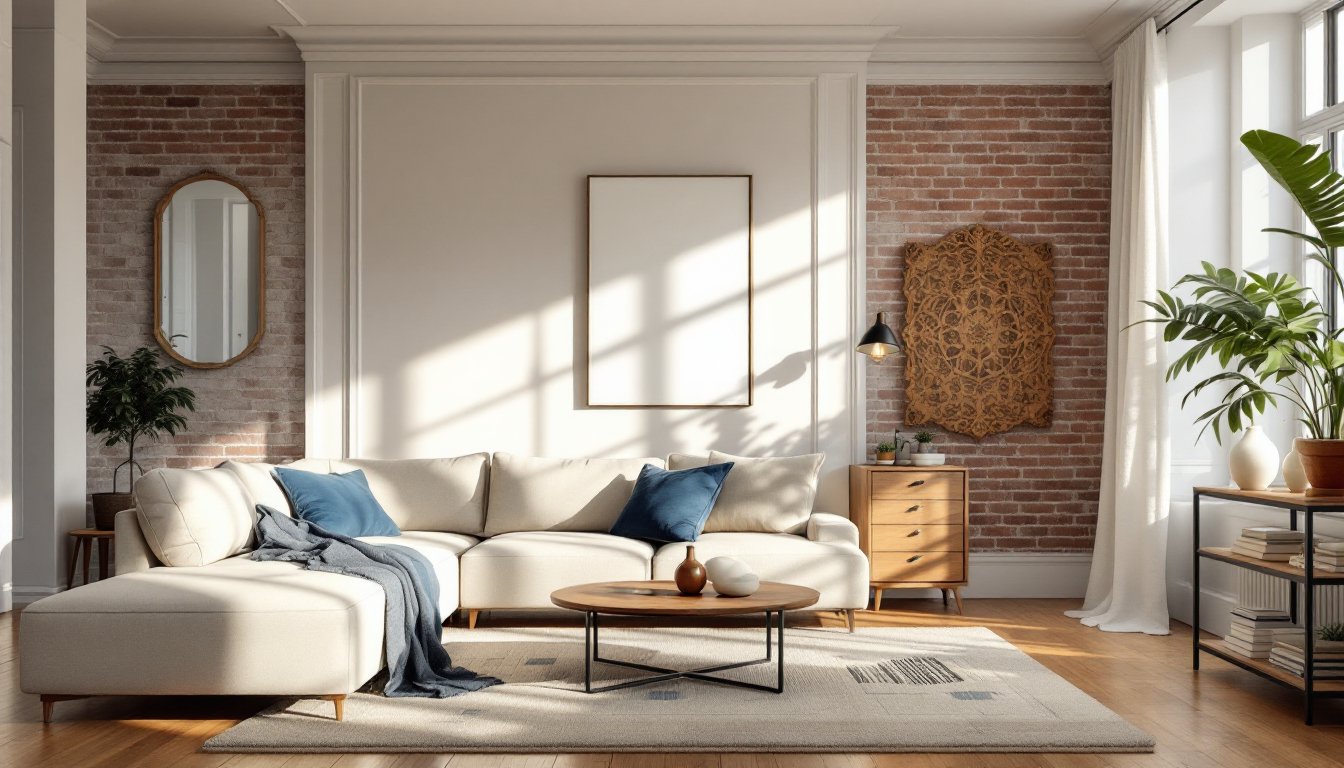
Living room: Anchor with a modern sectional in neutral linen or leather. Add a vintage coffee table, trunk, industrial cart, or refinished mid-century piece. Hang a large-scale modern art print above a Victorian mantel or a reclaimed wood accent wall. Layer in brass floor lamps, a wool area rug, and velvet throw pillows.
Kitchen: Pair shaker-style cabinetry in white or gray with open shelving made from reclaimed barn wood or metal brackets. Install a farmhouse sink, then contrast it with modern quartz countertops and matte black fixtures. Vintage pendant lights, glass globes or enamel shades, over an island tie the look together. If the home lacks architectural detail, consider adding beadboard or board-and-batten wainscoting to the lower walls.
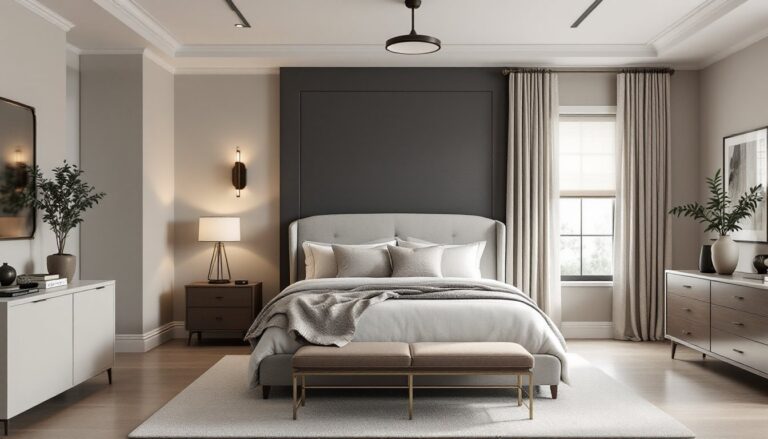
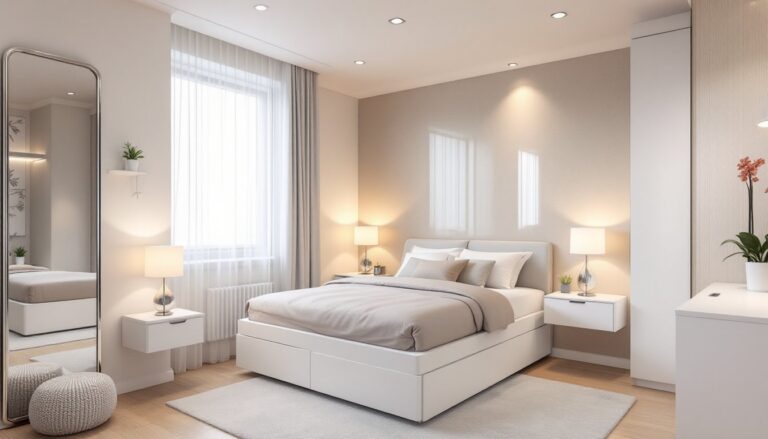
Bedroom: Use a modern platform bed or upholstered frame, then flank it with mismatched vintage nightstands, one painted, one natural wood. Hang a carved wood mirror or antique window frame as wall decor. Linen bedding in white or oatmeal keeps it clean: add a vintage quilt or throw at the foot. If the room allows, a refurbished armoire provides storage and becomes a focal point. For a cohesive approach across styles, reference rustic interior design ideas to see how natural materials work alongside curated vintage finds.
Bathroom: Retain or replicate classic elements, subway tile, hex floor tile, pedestal sinks, clawfoot tubs, then modernize with frameless glass shower enclosures, wall-mounted faucets, and LED mirrors. Vintage brass or oil-rubbed bronze fixtures warm up white tile. Reclaimed wood vanities or open metal shelving add character without sacrificing function.
Home office: A vintage wooden desk or industrial workbench pairs with a modern ergonomic chair. Metal filing cabinets, library ladders, and factory stools introduce texture. Keep walls and window treatments minimal so the vintage pieces stand out.
Common Mistakes to Avoid When Creating a Modern Vintage Space
Overcrowding: Vintage pieces have presence. Too many in one room creates visual noise. Limit large vintage items to one or two per space, and use modern pieces to balance.
Ignoring scale: A massive oak hutch overwhelms a small dining room. Measure the space and the piece before committing. Leave at least 36 inches of clearance for walkways.
Skipping prep work: Vintage furniture often needs cleaning, repairs, or refinishing. Skipping these steps leads to wobbly chairs, sticky drawers, and finish flaking. Set aside time and budget for restoration.
Matchy-matchy sets: Modern vintage isn’t about matching bedroom or dining sets. Mix eras, finishes, and styles intentionally. A cohesive color palette and similar scale tie disparate pieces together.
Neglecting function: A beautiful vintage piece that doesn’t serve a purpose becomes clutter. Every item should earn its place, storage, seating, lighting, or display.
Forgetting modern comforts: Vintage aesthetics shouldn’t sacrifice livability. Ensure adequate task lighting, comfortable seating, and practical storage. Retrofit vintage lamps with LED bulbs. Add cushions to hard wooden chairs. Install soft-close hinges on cabinet doors.
Ignoring the overall flow: Modern vintage works best when room arrangements balance openness with coziness. Avoid blocking windows or choking off traffic paths with oversized furniture. Use rugs and lighting zones to define areas within open floor plans.