
Upscale interior design isn’t about slapping gold-leaf wallpaper on every surface or replacing perfectly functional furniture with trendy showpieces. It’s about intentional choices, premium materials, refined proportions, and a cohesive vision that elevates everyday living. Whether renovating a single room or tackling a whole-house refresh, understanding what separates builder-grade basics from genuinely luxurious spaces helps homeowners invest wisely. This guide breaks down the defining characteristics of high-end interiors, explores achievable luxury on various budgets, and identifies design styles that deliver lasting sophistication in 2026.
Key Takeaways
- Upscale interior design prioritizes quality materials, refined proportions, and craftsmanship over quantity—using solid hardwood, natural stone, and custom millwork to create lasting luxury.
- Visible surfaces like countertops, flooring, and wall treatments deserve premium investment, while hidden structural elements can use standard code-compliant materials to reduce costs.
- DIY projects like installing crown molding, refinishing cabinets, and strategic paint color choices deliver high-end results at a fraction of professional installation costs.
- Sourcing materials from architectural salvage yards, estate sales, and stone yard remnants allows homeowners to access authentic luxury finishes—like reclaimed wood and marble slabs—at significant discounts.
- Modern upscale design styles in 2026—including Modern Organic, Transitional Luxury, and Art Deco Revival—emphasize cohesive design languages that balance timeless appeal with contemporary aesthetics.
What Defines Upscale Interior Design?
Upscale interior design hinges on quality over quantity. Instead of filling rooms with mass-produced décor, luxury interiors prioritize fewer, better-executed elements. Crown molding with crisp miters, solid-core doors instead of hollow-core slabs, and hardwood flooring in actual 3/4-inch thickness (not engineered veneer) form the foundation.
Craftsmanship shows in the details: hand-scraped wood beams, custom millwork with dado joints rather than butt joints, and plaster walls instead of standard drywall. These aren’t just aesthetic choices, they improve durability and acoustic performance.
Proportion and scale matter as much as materials. A well-designed luxury space respects ceiling heights, window placement, and furniture clearances. Rooms feel balanced, not cramped or cavernous. This often requires custom solutions, built-ins sized for specific walls, window treatments tailored to non-standard openings.
Cohesion ties everything together. Upscale interiors maintain a consistent palette, repeat architectural motifs (like arched doorways or coffered ceilings throughout a home), and layer textures intentionally. The goal is a unified design language, not a Pinterest board mashup.
Key Elements of Luxury Interior Design
High-End Materials and Finishes
Natural stone remains the benchmark for luxury surfaces. Marble, quartzite, and soapstone deliver veining and depth that porcelain can’t fully replicate, though engineered quartz works well for high-traffic zones. Expect slabs in 3-cm thickness for countertops, not the builder-standard 2 cm.
For flooring, solid hardwood in 5-inch or wider planks (actual width, not nominal) creates visual impact. White oak, walnut, and reclaimed heart pine are popular in 2026. Install with hidden fasteners or glue-down methods for clean sightlines. Engineered alternatives can work if the wear layer is at least 4 mm thick, anything thinner won’t survive a refinish.
Metal fixtures in unlacquered brass, brushed nickel, or matte black finishes elevate hardware and lighting. Cheap chrome-plated zinc corrodes quickly in humid environments like bathrooms: solid brass or stainless construction lasts decades.
Wall treatments separate upscale from standard. Venetian plaster, limewash, or shiplap installed with proper reveals (typically 1/8-inch gaps) add texture. For paint, premium lines like Benjamin Moore Aura or Farrow & Ball offer superior hide and depth, coverage runs around 350–400 square feet per gallon versus 250–300 for budget paints.
Safety note: When installing heavy stone slabs or built-ins, verify wall framing can support the load. Locate studs with a quality stud finder and use appropriate anchors (toggle bolts for drywall, lag screws into studs). For structural modifications, consult local building codes, many jurisdictions require permits for load-bearing wall changes.
Statement Furniture and Custom Pieces
Custom millwork defines luxury interiors more than any single furniture purchase. Built-in shelving, window seats with lift-top storage, or a floor-to-ceiling entertainment center tailored to exact room dimensions maximizes function and visual impact. Hire a finish carpenter or build it yourself if you’ve got intermediate woodworking skills, pocket-hole joinery and a miter saw handle most projects, though a table saw and router improve results.
Upholstered furniture in top-grain leather or performance fabrics (like Crypton or Sunbrella for high-use areas) withstands years of wear. Look for eight-way hand-tied springs in sofas and chairs rather than sinuous (S-spring) construction. Frames should be kiln-dried hardwood, not softwood or particleboard.
Lighting as sculpture transforms rooms. A well-placed chandelier, linear suspension over a dining table, or custom sconces become focal points. In 2026, designers favor organic shapes and mixed materials, blackened steel with alabaster, aged brass with linen shades. Dimmer switches (install compatible LED bulbs) let homeowners adjust ambiance.
Antiques and vintage finds add character mass-produced furniture can’t match. A mid-century credenza, a French bergère chair, or reclaimed factory carts as coffee tables introduce history and craftsmanship. These pieces often cost less than new “luxury” replicas while offering better build quality.
How to Achieve an Upscale Look on a Budget
Prioritize visible surfaces. Splurge on countertops, flooring, and prominent wall treatments where quality shows daily. Economize on hidden elements, underlayment, subfloor, or framing, where code-compliant standard materials suffice.
DIY architectural details. Installing crown molding, chair rails, or picture frame wainscoting costs mostly labor when hiring out. With a miter saw, coping saw, and finish nailer, confident DIYers can add these features for the price of materials, typically $2–$5 per linear foot for paint-grade MDF molding versus $10–$15 installed. Use a construction adhesive like Liquid Nails alongside nails for a secure bond.
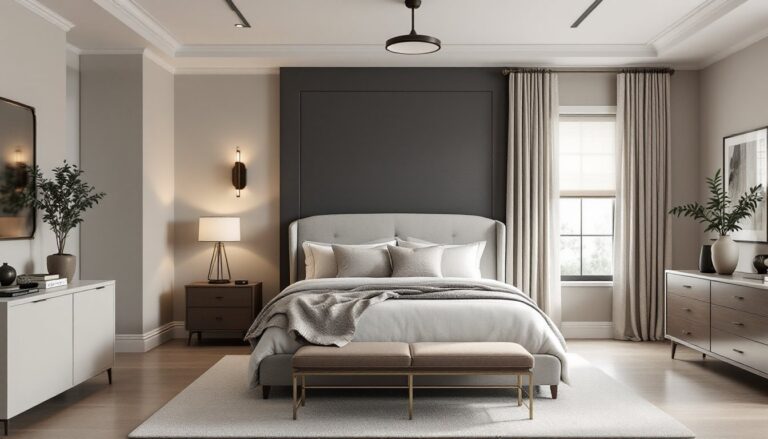
Paint transforms spaces for under $200 per room. Upscale interiors often use moody, saturated colors, deep navy, forest green, charcoal, on accent walls or cabinetry. Proper prep (fill nail holes with spackle, sand smooth, prime bare wood or patched areas) prevents a DIY look. Two coats minimum: don’t skimp.
Upgrade hardware and fixtures. Swapping builder-grade cabinet pulls, door handles, and light switches for premium versions ($8–$25 per piece versus $2–$5) instantly elevates perceived quality. Match finishes across a room, mixing brushed nickel and oil-rubbed bronze reads as oversight, not eclectic.
Refinish instead of replace. Strip and restain dated oak cabinets, refinish hardwood floors instead of installing new, or reupholster a solid-frame sofa. These projects require time and elbow grease but cost a fraction of buying new. For example, professional floor refinishing runs $3–$5 per square foot: DIY rental of a drum sander costs around $60/day, plus sandpaper and polyurethane.
Source materials strategically. Architectural salvage yards, estate sales, and Habitat ReStores offer reclaimed wood, vintage lighting, and high-end remnants at deep discounts. A $40 remnant marble slab works perfectly for a small vanity top. Stone yards often discount Level 1 or Level 2 slabs (simpler veining) that still outclass laminate.
Safety reminder: When refinishing floors or furniture, work in well-ventilated areas. Oil-based polyurethane and strippers emit strong fumes, wear a respirator rated for organic vapors (not just a dust mask), and keep windows open with fans exhausting air outside.
Popular Upscale Design Styles for Modern Homes
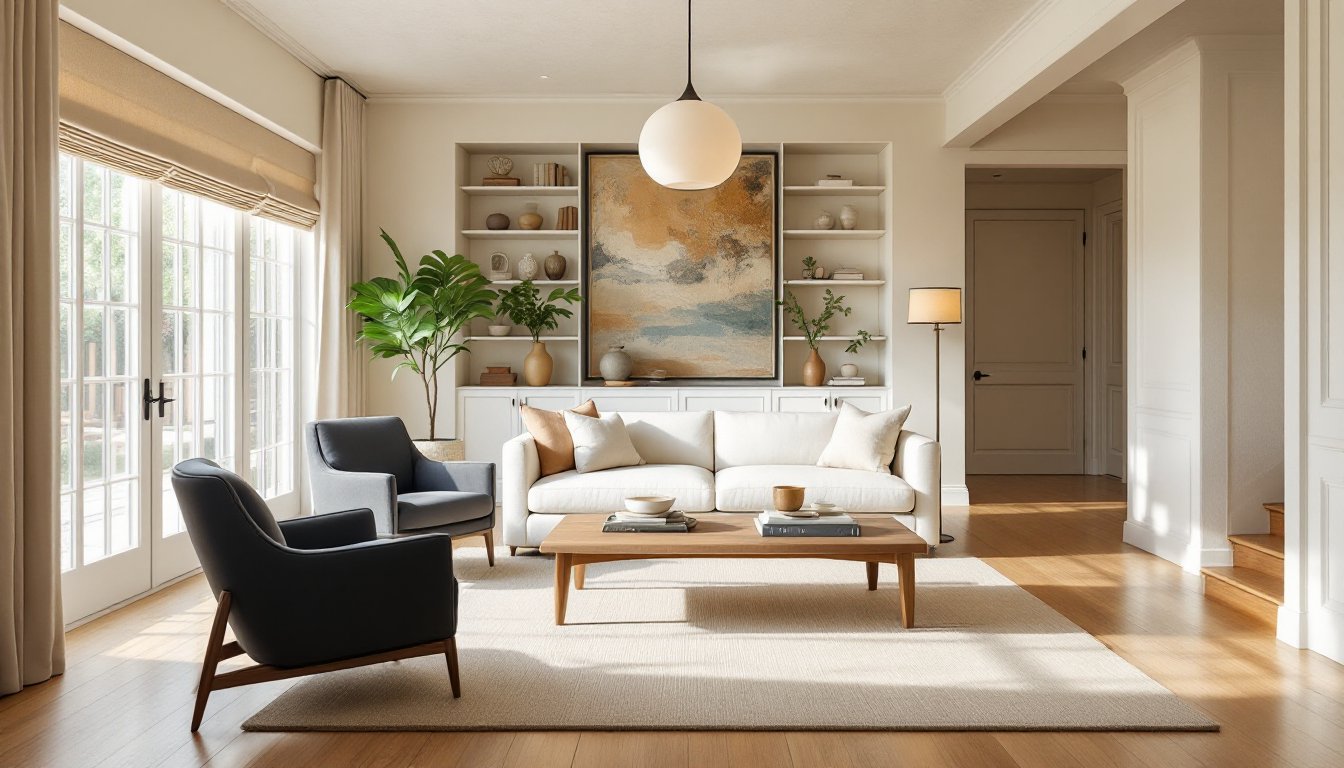
Modern Organic blends clean lines with natural textures. Think white oak cabinetry, honed quartzite counters, linen upholstery, and black matte fixtures. Spaces feel calm and uncluttered, no ornate trim, but plenty of warmth through wood grain and tactile fabrics. This style suits open-plan homes and pairs well with sustainable materials.
Transitional Luxury bridges traditional and contemporary. Shaker-style cabinetry in rich stains, marble or soapstone surfaces, tailored furniture with subtle curves, and classic lighting updated with modern proportions. It’s a safe bet for resale since it doesn’t skew too trendy. Inspiration from contemporary retreats focused on clean lines shows how minimalist palettes create timeless appeal.
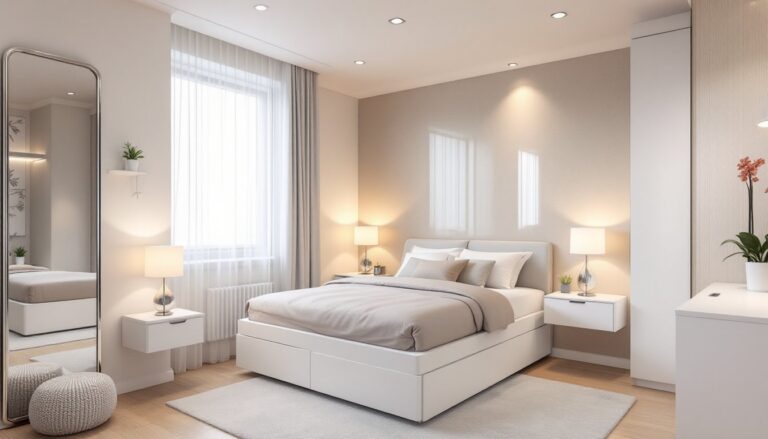
Scandinavian Minimalism emphasizes function and light. Wide-plank light wood floors, white or soft gray walls, minimal window treatments, and furniture with exposed joinery. Luxury comes through quality materials and precise execution, not ornamentation. It works especially well in smaller homes where simplicity prevents visual clutter.
Industrial Chic reclaims urban elements, exposed brick, steel beams, concrete counters, Edison-bulb pendants. High ceilings and large windows suit this style best. Costs run higher if adding faux-industrial features (like building reclaimed wood accent walls or installing steel I-beams for aesthetics). Genuine salvaged materials often cost less than reproductions.
Art Deco Revival returns in 2026 with geometric patterns, jewel tones (emerald, sapphire, amethyst), velvet upholstery, and brass accents. Crown molding with stepped profiles, hexagonal tile, and statement mirrors create drama. This style demands commitment, half-measures look costume-y.
For broader design inspiration and room-specific ideas, homeowners can explore galleries showcasing diverse interpretations of each style, helping refine personal preferences before committing to materials or layout changes.
Conclusion
Upscale interior design rewards careful planning, quality materials, and honest craftsmanship, not bottomless budgets. By focusing on durable finishes, thoughtful proportions, and details that matter (like solid joinery and proper surface prep), homeowners create spaces that feel luxurious daily. Start with one room, master the techniques, and expand as skills and budget allow.