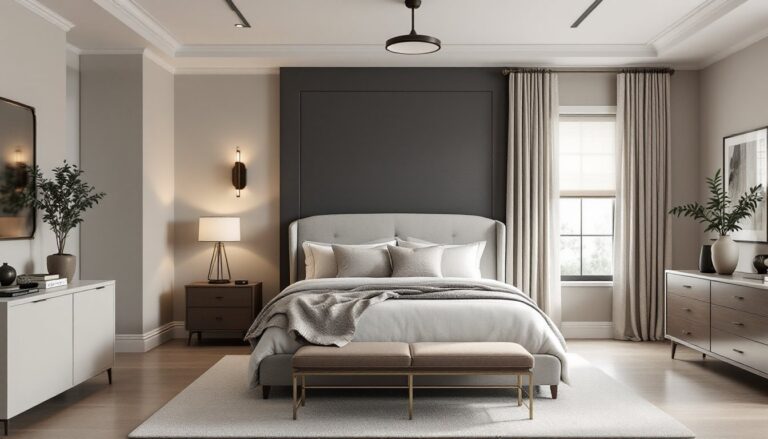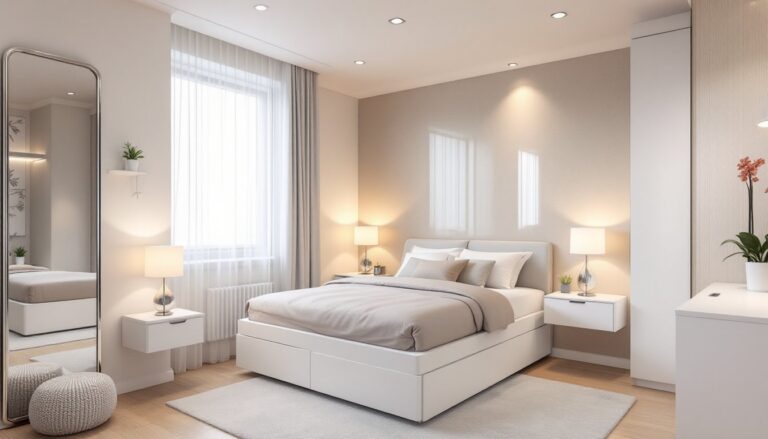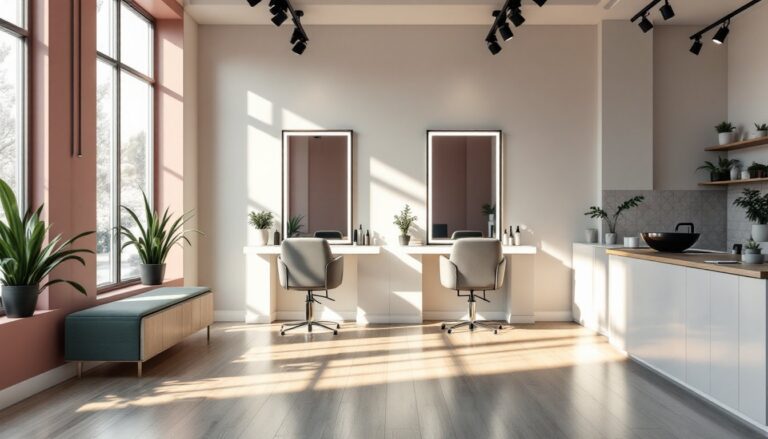


Every great room tells a story, but without a design concept, it’s a story with no plot. A strong interior design concept is what separates a Pinterest board from a pull-together space that actually works. It’s not about picking pretty paint colors and hoping for the best. It’s the strategic framework that guides every choice, from the baseboard profile to the cabinet hardware, so the finished room feels deliberate, not accidental. Whether tackling a single room refresh or a whole-house renovation, nailing down a clear concept upfront saves time, money, and the headache of mismatched finishes that don’t quite click.
Key Takeaways
- An interior design concept is the unifying strategic framework that guides all design decisions—from color and materials to furniture placement—ensuring a cohesive, intentional space instead of a mismatched collection of styles.
- A clear interior design concept prevents costly mistakes, streamlines decision-making across hundreds of micro-choices, and ensures the space functions as intended by connecting both aesthetics and practical needs.
- Your design concept should be built on concrete elements including a three-to-five-color palette, material consistency, and a defined style direction that reflects both your aesthetic vision and how you actually live.
- Develop your concept methodically by first defining the space’s function, gathering selective inspiration to identify patterns, creating a material board with physical samples, and testing the concept on a small element before scaling up.
- Avoid common concept mistakes such as copying magazine spreads without adapting to your space’s unique architecture, overcomplicating color palettes, ignoring existing home character, or trend-chasing that doesn’t align with your core vision.
- Budget adequate planning time upfront to measure, sample, sketch, and think through your interior design concept, as a week of preparation beats months of regret and mid-project pivots.
Understanding the Interior Design Concept
An interior design concept is the unifying idea or theme that dictates the look, feel, and function of a space. Think of it as the roadmap for all design decisions. It answers the question: What is this room trying to be?
A concept isn’t just a style label like “farmhouse” or “mid-century modern.” It’s deeper. It includes the why behind your choices: the mood you’re after, the function the space needs to serve, and the lifestyle it supports. A concept for a busy family’s kitchen might prioritize durable surfaces, ample storage, and a warm, lived-in vibe. A concept for a home office might lean into focus-driven minimalism with task lighting and acoustic control.
Designers use concepts to create coherence. Without one, you end up with a room that’s part industrial loft, part shabby chic, part…confusion. The concept is what ensures your subway tile backsplash, matte black fixtures, and white oak floating shelves all work toward the same visual goal.
For DIYers, understanding your concept means you can shop with confidence. You’ll know whether that salvaged barn door fits your vision or if it’s just clutter in disguise. The concept becomes your filter, making decisions faster and more consistent across the project.
Why Every Successful Design Project Starts With a Clear Concept
Jumping into a renovation without a concept is like framing a wall without a plan, you might get it standing, but it won’t be square. A clear concept keeps the project on track in three critical ways.
First, it prevents costly mistakes. When you know your concept is “Scandinavian minimalism with warm textures,” you won’t blow the budget on ornate crown molding or heavy drapes that clash with the vision. You’ll skip the impulse buys and focus spending on pieces that reinforce the concept, like a low-profile sofa in linen or a simple pendant with clean lines.
Second, it streamlines decision-making. Renovations involve hundreds of micro-choices: drawer pulls, grout color, switch plate finish. A solid concept acts like a rubric. Does this brass fixture support the “modern traditional” vibe, or does the matte black work better? The concept gives you the answer without second-guessing every trip to the hardware store.
Third, it ensures the space functions as intended. A concept isn’t just aesthetics, it’s about how the room works. If the concept is “entertaining-focused open plan,” that drives layout decisions: island seating, a beverage fridge, durable flooring materials for high-traffic areas. Function and form become inseparable.
Professionals know this. Architects and designers won’t touch a project without a concept brief. DIYers who skip this step often end up mid-project, stuck with a half-painted accent wall and no idea what comes next. Do the concept work upfront, and the rest falls into place.
Key Elements That Define Your Design Concept
A concept isn’t vague inspiration, it’s built on concrete elements that shape the space. Two of the most critical are color palette and style direction.
Color Palette and Material Selection
Color is the backbone of any concept. A well-chosen palette, usually three to five colors, creates visual harmony. Start with a dominant neutral (white, greige, charcoal), add one or two accent colors, and layer in a natural or textural tone.
For example, a coastal concept might use soft white as the base, navy and seafoam as accents, and natural jute or weathered wood for texture. Every paint choice, fabric swatch, and tile sample should reference this palette. When selecting materials, consider both color and finish. Matte black fixtures read modern: oil-rubbed bronze skews traditional. A polished marble countertop feels formal: honed limestone is more relaxed.
Material consistency matters. If your concept leans rustic, reclaimed pine, wrought iron, and brick veneer support that story. Mixing in high-gloss lacquer cabinets would break the narrative. For a rustic interior design approach, expect natural textures, visible grain, and finishes that show patina over time.
Don’t forget scale and proportion. A concept for a small powder room might use large-format porcelain tile to minimize grout lines and make the space feel bigger. The same concept in a primary bath could layer in smaller mosaic accents without overwhelming the eye.
Style Direction and Aesthetic Vision
Style is your aesthetic North Star. It’s the umbrella that covers furniture silhouettes, architectural details, and decorative elements. Common styles, modern, traditional, industrial, transitional, eclectic, each carry visual expectations.
Modern concepts favor clean lines, open floor plans, and minimal ornamentation. Traditional concepts embrace symmetry, crown molding, wainscoting, and classic furnishings. Industrial concepts expose structural elements, think exposed ductwork, steel beams, concrete floors.
But style isn’t a paint-by-numbers formula. Aesthetic vision is where you personalize it. Maybe your modern concept has a “warm minimalist” angle: streamlined, but with oak trim and wool textiles instead of stark white everything. Or your traditional concept has a “fresh traditional” twist, pairing classic millwork with a bold, contemporary color palette.
Your vision should reflect how you live. If you’re a collector, your concept might lean eclectic with curated gallery walls and layered textiles. If you crave calm, a concept rooted in minimalist design principles with hidden storage and muted tones makes sense. The aesthetic vision is where function and personality intersect.
How to Develop Your Own Interior Design Concept
Developing a concept doesn’t require a design degree, just a methodical approach and honesty about what you need.
Start with the space’s function. What happens here? A mudroom needs durability and storage. A dining room needs mood lighting and seating flexibility. List the non-negotiables: number of seats, storage volume, natural light, traffic flow. Function drives form.
Next, gather inspiration, but be selective. Pin images, tear magazine pages, save links to design galleries and portfolios. Look for patterns. Do you gravitate toward warm wood tones? Open shelving? Patterned tile? Soft curves or hard angles? Group your inspiration and identify the common threads. That’s your emerging concept.
Define your style and mood in a few words. Try a formula: “[style] + [adjective] + [function].” Examples: “Modern farmhouse with cozy, family-friendly functionality.” “Industrial loft with moody, creative workspace vibes.” “Coastal traditional with bright, airy entertaining focus.” This becomes your concept statement, the sentence you refer back to when you’re tempted by an off-brand impulse buy.
Build a material and color board. Collect physical samples: paint chips, fabric swatches, tile samples, wood stain on scrap lumber. Lay them out together. Do they fight or flow? Adjust until the palette feels cohesive. If you’re DIYing, this step is non-negotiable. Digital screens lie about color, get the real thing.
Draft a rough floor plan and elevation. Even a hand sketch works. Mark furniture placement, traffic paths, and focal points (fireplace, feature wall, window views). This helps you see whether your concept translates spatially. If your concept is “open and airy” but your layout is cluttered with furniture, you’ve got a mismatch to solve.
Test the concept on one element. Before committing to a full room, try the concept on a small project, an accent wall, a refinished piece of furniture, or new window treatments. Does it feel right in three dimensions? If yes, scale up. If no, refine before you’re knee-deep in drywall dust.
Common Mistakes to Avoid When Creating a Design Concept
Even experienced DIYers stumble when developing a concept. Here’s what to watch for.
Copying a concept without adapting it. That magazine spread looks perfect, but it was shot in a 14-foot-ceiling loft with south-facing windows. Your 8-foot ranch with north light is a different animal. Adapt the concept to your space’s architecture, light, and scale. Dark moody walls work in a large room with ample light, not so much in a basement guest room.
Overcomplicating the palette. More colors don’t make a space more interesting, they make it chaotic. Stick to three to five colors, max. If you love variety, bring it in through texture (linen, leather, wool, metal) instead of adding more hues.
Ignoring the home’s existing architecture. A sleek, ultra-modern concept can feel out of place in a 1920s bungalow with original trim and hardwood. That doesn’t mean you can’t go modern, but a “modern traditional” or “updated classic” concept respects the bones of the house while bringing in contemporary elements. Work with your home’s character, not against it.
Skipping the function test. A concept that looks stunning but doesn’t support how you live will fail. If you have kids and pets, a concept built around white linen sofas and glass coffee tables is a non-starter. Be honest. Durable doesn’t mean ugly, it means choosing performance fabrics, sealed surfaces, and finishes that hide wear.
Trend-chasing without a filter. Trends are fine, if they fit your concept. But adding shiplap because it’s trendy, when your concept is “mid-century modern,” creates visual noise. Let the concept be the gatekeeper. If a trend aligns, great. If not, skip it.
Underestimating prep and planning time. Developing a concept isn’t a 20-minute Pinterest scroll. Budget time to measure, sample, sketch, and think. Rushing this phase leads to mid-project pivots, and wasted material. A week of planning beats a month of regret.
Finally, don’t forget safety and code compliance. If your concept involves structural changes, removing a wall, relocating plumbing, adding lighting, check local building codes and permitting requirements. A beautiful concept that violates code isn’t just risky: it can tank a future home sale. When in doubt, consult a licensed professional before making structural or electrical modifications.
A thoughtful interior design concept transforms guesswork into a game plan. It’s the difference between a room that just happened and a space that feels intentional, cohesive, and unmistakably yours. Take the time to define it, and every decision that follows gets easier.