
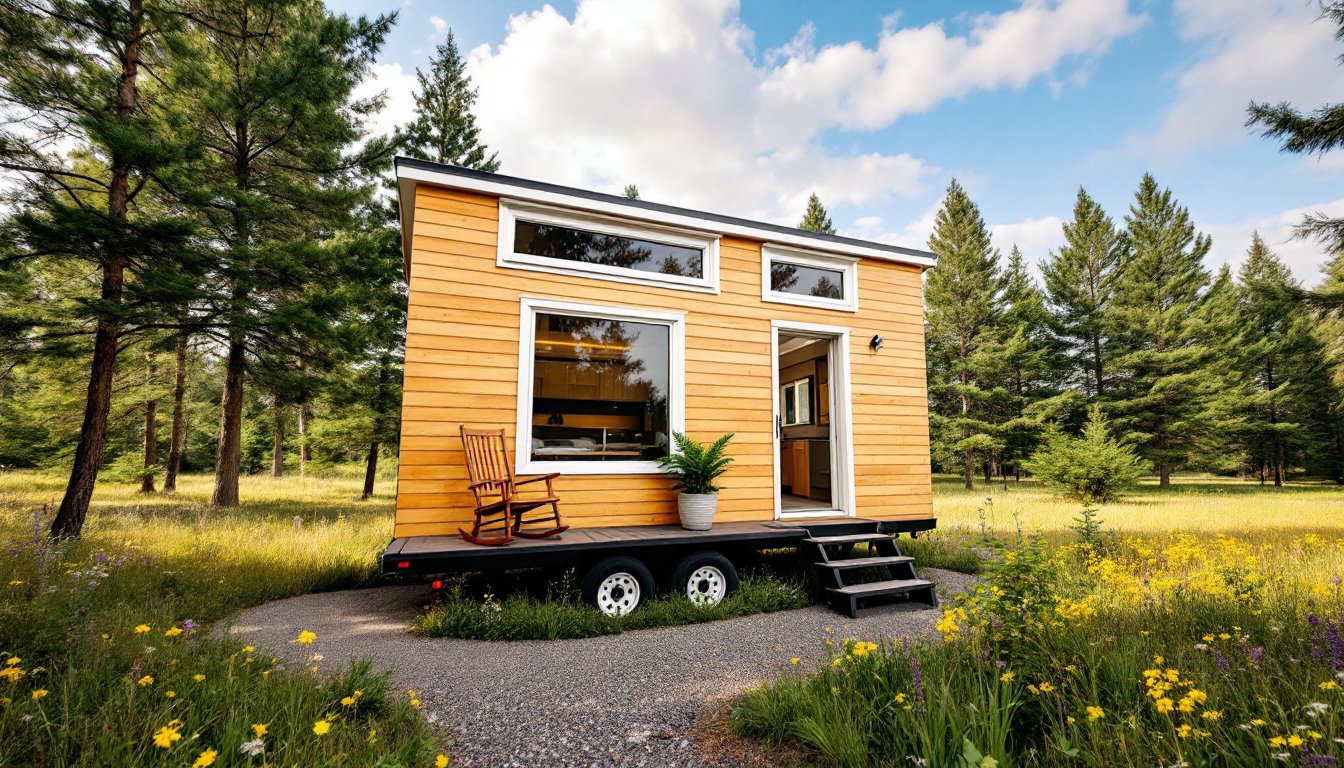
Tiny homes aren’t a fad, they’re a deliberate response to housing costs, environmental concerns, and the realization that most people don’t use half the square footage they’re paying for. A tiny home typically maxes out at 400 square feet, though definitions vary. Some are built on trailers for mobility, others on permanent foundations. What they all share is a demand for intentional design, ruthless decluttering, and a willingness to rethink how space functions. This guide covers what tiny living actually involves, the benefits, the headaches, and the design strategies that make it work.
Key Takeaways
- Living in a tiny home typically costs between $30,000 and $100,000 and dramatically reduces utility bills, often dropping to under $50 monthly with energy-efficient systems.
- Zoning regulations are the biggest barrier to tiny home living—many municipalities impose minimum square footage requirements or restrict THOWs (tiny houses on wheels), so local code review is essential before purchase or build.
- Successful tiny home design prioritizes multi-functional furniture, vertical storage solutions, and strategic use of every square inch rather than simply shrinking traditional layouts.
- Tiny home living works best for people who value financial flexibility and simplified maintenance but requires honest lifestyle testing—rent one for a month before committing.
- Climate control, storage management, and personal space require intentional design; poor insulation, undersized HVAC units, and inadequate ventilation create miserable living conditions.
What Is Tiny Home Living and Why Is It So Popular?
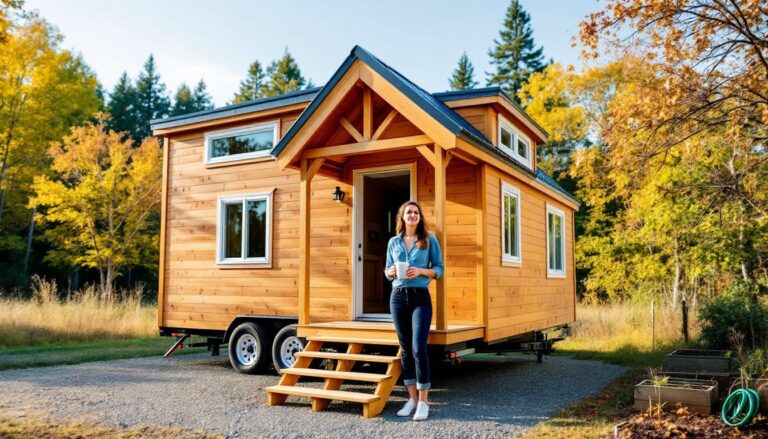
A tiny home is generally defined as a dwelling under 400 square feet, though some advocates stretch that to 500. They come in three main forms: THOWs (tiny houses on wheels), which sit on trailers and can be moved: foundation-built tiny homes, which are permanent structures subject to local zoning: and accessory dwelling units (ADUs), which are small secondary homes on an existing property.
The popularity surge stems from multiple factors. Housing prices in urban and suburban markets have outpaced wage growth for two decades. A tiny home can cost between $30,000 and $100,000 depending on whether it’s DIY, a shell kit, or turnkey professional build, substantially less than a traditional mortgage. Environmental motivations play a role too. Smaller footprints mean lower energy use, reduced material consumption, and often simpler off-grid systems.
There’s also a cultural shift. Younger buyers and retirees alike are questioning whether a 2,500-square-foot house serves them or just creates more to clean, heat, and insure. Minimalism isn’t just aesthetic, it’s practical. Tiny living forces occupants to own only what they use, which appeals to people tired of storage units and garage clutter.
Zoning remains the biggest obstacle. Many municipalities have minimum square footage requirements (often 600–1,000 square feet) that disqualify tiny homes. Some jurisdictions classify THOWs as RVs, restricting where they can be parked long-term. Others allow them only as ADUs on properties with an existing primary residence. Before committing to a build or purchase, check local building codes and zoning ordinances. A beautiful tiny home is worthless if you can’t legally live in it.
The Real Benefits of Tiny Home Living
Lower costs top the list. Beyond purchase price, utility bills drop dramatically. Heating and cooling 300 square feet costs a fraction of a full-size home. Many tiny homeowners report monthly utility costs under $50, especially with energy-efficient mini-split systems and LED lighting. Property taxes and insurance premiums are proportionally smaller, and some owners avoid mortgages entirely by paying cash or financing through personal loans.
Simplified maintenance is another win. There’s less roof to replace, fewer windows to caulk, and no sprawling lawn to mow. Repairs and upgrades are faster and cheaper. If a water heater fails, you’re replacing a compact tankless unit, not a 50-gallon beast in the basement.
Mobility applies to THOWs. Owners can relocate for work, climate, or preference without selling. This appeals to remote workers, retirees exploring the country, and anyone who values flexibility over permanence. Even foundation-built tiny homes offer easier resale or relocation compared to traditional houses.
Environmental impact shrinks across the board. Smaller homes use less lumber, drywall, and insulation during construction. Ongoing energy and water consumption drops. Many tiny homeowners install solar panels, composting toilets, and rainwater catchment systems, not out of necessity, but because the scale makes these systems affordable and manageable.
There’s also a psychological benefit. When people discuss small space living ideas and intentional design, they often report reduced stress. Fewer possessions mean less to organize, clean, and worry about. The home becomes a tool rather than a burden.
Challenges You’ll Face in a Tiny Home (And How to Overcome Them)
Storage limitations hit hard. A typical bedroom closet in a standard home offers more space than some entire tiny home sleeping lofts. The solution isn’t just buying organizers, it’s a ruthless inventory of belongings. Most successful tiny homeowners follow a one-in, one-out rule. Seasonal gear gets stored off-site or in a small shed. Hobbies that require bulky equipment (woodworking, large-scale painting) may need external workshop space.
Zoning and legal issues create real barriers. Some areas outright ban tiny homes. Others require them to meet RV park standards or be certified by the Recreational Vehicle Industry Association (RVIA), which limits design flexibility. Foundation-built tiny homes must meet International Residential Code (IRC) Appendix Q standards where adopted, including minimum room dimensions, ceiling heights, and egress window sizes. Research local regulations before breaking ground or signing a purchase agreement.
Resale value is unpredictable. The tiny home market is still niche. Finding a buyer can take longer than selling a traditional home, and lenders often won’t finance tiny home purchases, which limits your buyer pool to cash buyers or those with alternative financing.
Climate control in a poorly designed tiny home is miserable. Inadequate insulation, single-pane windows, and undersized HVAC units lead to temperature swings. Address this upfront with spray foam insulation (closed-cell for maximum R-value), double-pane or Low-E windows, and a properly sized mini-split system. Ventilation matters too, tight spaces trap moisture, which causes mold. Install a bathroom exhaust fan (minimum 50 CFM) and consider a heat recovery ventilator (HRV) if budget allows.
Social and lifestyle adjustments affect couples and families. Personal space disappears. Hobbies, work-from-home setups, and entertaining guests all require compromise. Some people thrive in close quarters: others find it claustrophobic. Spend a weekend in a tiny home rental before committing to a purchase or build.
Smart Design Ideas to Maximize Your Tiny Home Space
Every square inch counts. Successful tiny homes don’t just shrink a traditional layout, they rethink how space functions.
Multi-Functional Furniture and Storage Solutions
Murphy beds fold into walls, freeing floor space during the day. Look for models with integrated shelving or desks. Convertible dining tables serve as workstations and food prep areas, then fold down or extend for meals. Some designs include hidden storage compartments underneath.
Loft beds are standard in most tiny homes, typically accessed by a ladder or narrow staircase. The space below becomes a closet, bathroom, or compact office. If building custom, use the underside of loft stairs for pull-out drawers, each tread can hold shoes, tools, or pantry goods.
Storage ottomans, benches with hinged lids, and platform beds with built-in drawers replace traditional furniture that sits idle. Avoid pieces with single purposes. A couch is just a couch: a daybed with trundle storage is a couch, guest bed, and closet.
Appliances matter. A two-burner induction cooktop and apartment-size fridge (10–12 cubic feet) suffice for most couples. Combination washer-dryers fit in closets or under counters. Some owners skip dishwashers entirely: others install compact 18-inch models.
Vertical Space and Creative Organization
Walls are underused in most homes. In a tiny home, they’re prime real estate. Install floor-to-ceiling shelving in the kitchen, bathroom, and living area. Use the space above doorways for narrow cabinets or floating shelves.
Pegboards and slat walls provide adjustable storage in kitchens and workshops. Hooks, baskets, and magnetic strips keep tools and utensils accessible without cluttering counters. Magnetic knife strips, spice racks, and paper towel holders mount to walls or cabinet sides.
Overhead storage works in lofts and above seating areas. Install shallow cabinets or hanging baskets for items used infrequently. Keep weight distribution in mind if building on a trailer, top-heavy loads affect towing stability and handling.
Many strategies from home organization tips apply at smaller scale. Drawer dividers, clear bins, and labeled containers prevent the chaos that accumulates when every item lacks a designated spot.
Pocket doors and barn doors save the swing radius of traditional doors (roughly 9 square feet per door). Accordion or bifold doors work for closets. Skip doors entirely between open-concept areas unless privacy or noise control is essential.
Lighting affects perceived space. Recessed LED fixtures, under-cabinet strips, and wall sconces provide illumination without taking floor or counter space. Dimmer switches let occupants adjust brightness for tasks or ambiance. Natural light matters too, larger windows make small spaces feel less confined, though they reduce wall storage and require good window treatments for privacy and insulation.
Is Tiny Home Living Right for You?
Tiny living works best for people who value experiences over possessions, prefer lower overhead to extra space, and can adapt to close quarters. It’s popular with remote workers, retirees downsizing from family homes, and younger buyers priced out of traditional markets.
It’s a poor fit for anyone who needs dedicated workspace for hobbies requiring equipment (sewing, woodworking, pottery), families with multiple children, or people who entertain frequently. Hosting a dinner party in 300 square feet means the couch becomes seating and the bed becomes a buffet.
Before committing, test the lifestyle. Rent a tiny home for a month. Practice living with less by packing away half your belongings and seeing what you actually miss. Research whether your local area allows tiny homes legally, check with the zoning office, not just online forums.
If building, decide between DIY and professional construction. A DIY build takes 1,000–2,000 hours depending on skill level and complexity. Many people document budget home renovation stories that reveal the real time and cost involved. Hiring a builder costs more upfront but ensures code compliance, proper insulation, and structural integrity.
Financing options include personal loans, RV loans (for RVIA-certified THOWs), or cash. Traditional mortgages rarely apply. Some owners finance through credit unions that specialize in alternative housing.
Tiny living isn’t minimalist martyrdom, it’s a trade-off. You give up space, storage, and some conveniences. In return, you gain financial flexibility, simplified maintenance, and freedom from the treadmill of heating, cooling, and maintaining square footage you don’t use. Make the choice with open eyes, not romantic notions.