

The turn of the millennium brought more than just Y2K panic, it ushered in a distinct aesthetic that defined homes from 2000 to 2005. Think metallic finishes, oversized furniture, and a boldness that feels both nostalgic and surprisingly relevant today. Early 2000s interior design married the optimism of new technology with a maximalist approach to color and texture. Whether you lived through it or you’re discovering it for the first time through retro design blogs, understanding this era’s signature moves can help you selectively revive its best elements, or avoid its pitfalls, in your own renovation projects.
Key Takeaways
- Early 2000s interior design was defined by bold colors, metallic finishes, glossy surfaces, and oversized furniture that embraced maximalism and futuristic aesthetics.
- Jewel tones, high-gloss cabinets, chrome accents, and reflective materials were signature elements that made spaces feel sleek and modern during the Y2K era.
- You can selectively revive early 2000s design elements today by using bold jewel tones as accent colors rather than full-wall treatments and balancing metallic finishes with warmer, organic materials.
- Modern interpretations of the era work best with restraint: swap oversized sectionals for contemporary versions with slimmer lines, and replace shag rugs with natural fiber alternatives like jute.
- Avoid the era’s excesses by limiting decorative accessories to statement pieces rather than clustering multiple items, and skip the word art and faux-finish wall treatments that haven’t aged well.
What Defined Early 2000s Interior Design?
Early 2000s interiors were unapologetically bold and experimental. The decade kicked off with a fascination for futuristic aesthetics, chrome accents, acrylic furniture, and glossy surfaces dominated showrooms and home magazines. This was the era of open-concept living taken to the extreme, often with minimal wall separation between kitchen, dining, and living areas.
Designers favored high contrast over subtlety. Dark espresso wood paired with bright white upholstery. Lime green accent walls sat next to chocolate brown sectionals. The palette wasn’t afraid to make statements, often combining three or more strong colors in a single room.
Texture played a major role, but not in the layered, organic way we see today. Instead, surfaces were intentionally slick: lacquered cabinetry, glass tabletops, polished stone countertops (often in black or deep brown granite), and high-gloss paint finishes. Matte was out: shine was in.
Another defining trait was the embrace of technology as decor. Flat-screen TVs, still chunky by today’s standards, became room focal points, often mounted on feature walls painted in dramatic hues or clad in stone veneer. Home theater setups with visible speakers and tangled cables were status symbols rather than eyesores to hide.
Signature Color Palettes and Finishes of the Y2K Era
The early 2000s color palette broke from the muted earth tones of the ’90s. Homeowners weren’t shy about using jewel tones, deep plum, emerald green, sapphire blue, often as full-wall paint colors rather than just accents. These rich hues frequently appeared in dining rooms and powder rooms.
Neutral bases leaned heavily toward warm tones: taupe, beige, caramel, and greige (before “greige” became an overused term). Walls in living areas often featured two-tone paint treatments, a darker shade on the lower half with a chair rail dividing it from a lighter upper section. This wainscoting approach, whether real wood or painted drywall, added visual weight.
Accent walls were mandatory. One wall in nearly every room received special treatment: a bold paint color, textured wallpaper (often with metallic threading), or faux finishes like sponging, rag-rolling, or Venetian plaster. These techniques have largely fallen out of favor, but they were hallmarks of the era’s DIY spirit.
Metallic Accents and Glossy Surfaces
Chrome, brushed nickel, and stainless steel weren’t just for appliances, they appeared on light fixtures, cabinet hardware, furniture legs, and decorative accessories. Metallic finishes gave spaces a sleek, almost clinical edge that felt modern at the time.
Glossy surfaces extended beyond metals. High-gloss kitchen cabinets in white or espresso became popular, reflecting light and making smaller kitchens feel more spacious. Laminate flooring with a glossy finish tried to mimic hardwood but often came across as plasticky, a look that hasn’t aged particularly well.
Mirrors were used liberally, often in oversized formats or as mirrored tiles on accent walls. The goal was to bounce light and create the illusion of more space, though the effect sometimes felt more like a nightclub than a home. Glass mosaic tile backsplashes in kitchens and bathrooms added another layer of reflective shimmer, usually in iridescent or metallic tones.
Iconic Furniture Styles and Materials
Furniture in the early 2000s favored size and presence over delicacy. Oversized sectional sofas dominated living rooms, often upholstered in microfiber, a material prized for its stain resistance and soft texture. These sectionals typically featured low backs, wide arms, and modular configurations that could seat eight or more.
Espresso-stained wood was everywhere: dining tables, entertainment centers, bed frames, and coffee tables. The dark, almost black finish contrasted sharply with lighter walls and floors. Wood grain was often obscured by heavy staining, a departure from the natural wood aesthetic that would return in later decades.
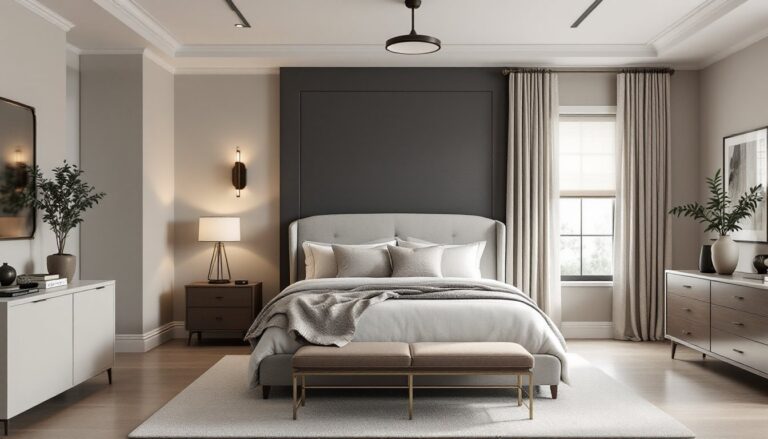
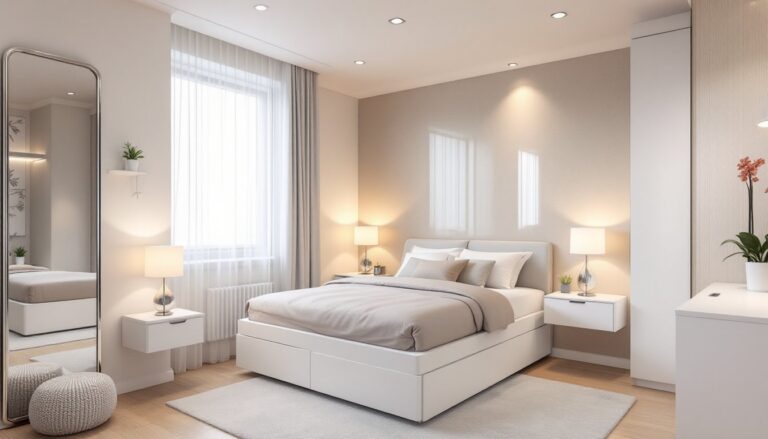
Platform beds with low profiles and attached nightstands became bedroom staples. Many featured built-in lighting or floating designs that gave a zen, minimalist appearance, though often paired with maximalist bedding in bold patterns.
Accent furniture leaned into mixed materials. Glass and metal combinations were common: coffee tables with chrome bases and thick glass tops, bar stools with acrylic seats, and shelving units mixing wood, metal, and glass. Acrylic or “ghost” chairs, transparent plastic seating inspired by Philippe Starck’s Louis Ghost chair, appeared in dining rooms and home offices, adding a futuristic touch.
Upholstered furniture often featured geometric patterns or animal prints. Zebra-print ottomans, cowhide rugs, and leopard-print throw pillows added drama. Velvet and suede fabrics made comebacks, especially in deep jewel tones.
Must-Have Decor Elements and Accessories
Accessories in early 2000s homes were bold and abundant. Wall art typically came in the form of large canvas prints, often abstract swirls in the room’s accent colors, or oversized single-subject photographs in black and white. Groupings of three matching pieces arranged horizontally were a go-to formula.
Decorative bowls and vases in metallic finishes or brightly colored glass clustered on coffee tables and dining tables. These weren’t functional pieces, they were purely ornamental, often filled with decorative spheres or left empty to showcase their sculptural forms.
Throw pillows piled high on sofas and beds, usually in combinations of solids and patterns that matched the room’s color scheme. Designers on home design platforms showcased arrangements with five or more pillows per seating area, far more than practical comfort required.
Area rugs featured bold geometric patterns or shag pile in solid colors. High-pile shag rugs, particularly in white or cream, added texture underfoot in living rooms and bedrooms, though they were nightmares to vacuum. Rug sizes tended toward oversized, often extending well beyond furniture footprints.
Window treatments combined form and function, though often leaning heavily toward form. Layered treatments, sheers behind heavy drapes, often with decorative valances or cornices, added visual complexity. Horizontal blinds in faux wood or metal remained practical choices, especially when paired with flowing panels in coordinating colors.
Decorative accessories included items that feel dated now: large ceramic or resin word art spelling out “LIVE, LAUGH, LOVE” or similar mantras, oversized wall clocks with Roman numerals, and clustered photo frames in matching finishes covering entire wall sections.
How to Bring Early 2000s Style Into Your Modern Home
Reviving early 2000s design doesn’t mean recreating it wholesale, context matters. Cherry-pick elements that work with contemporary sensibilities while avoiding the era’s excesses.
Start with metallic accents sparingly. Instead of going full chrome, mix brushed brass or matte black metals with selective chrome pieces. A single metallic pendant light or cabinet hardware can nod to the era without overwhelming a space. Modern interior design approaches often balance metallic finishes with warmer, organic materials.
Embrace bold color thoughtfully. Rather than painting entire rooms in jewel tones, use them as accent colors in furniture, textiles, or single feature walls. A deep emerald velvet sofa or sapphire blue accent chairs can anchor a room without the commitment of painted walls. Pair bold colors with plenty of neutral breathing room.
Reinterpret glossy finishes. High-gloss cabinetry can work in small doses, kitchen islands or bathroom vanities, but balance it with matte walls and natural textures. Skip the glossy laminate flooring in favor of matte-finished engineered hardwood or luxury vinyl plank that mimics wood grain realistically.
Choose furniture with cleaner lines. Oversized sectionals are back in style, but modern versions feature slimmer profiles and more architectural forms. Look for pieces that capture the comfort of early 2000s seating without the bulky proportions. Platform beds remain popular: select versions in lighter wood tones or upholstered finishes rather than heavy espresso stains.
Update texture approaches. The era’s love of texture can translate into today’s layered, tactile spaces, but swap out shag rugs for natural fiber options like jute or sisal, and replace faux-finish walls with textured wallpaper or shiplap. Resources like contemporary design galleries show how texture works in current spaces.
Accessorize with restraint. One statement mirror or a few metallic accent pieces work better than covering every surface. If you love the geometric art style of the era, choose one large piece rather than multiple smaller ones. Skip the word art entirely, it hasn’t aged well.
Safety note: If you’re painting or refinishing furniture from this era, test for lead paint if the piece predates 2000. Use proper PPE including respirators when sanding or stripping finishes, and work in well-ventilated areas. Disposal of chemical strippers requires following local hazardous waste guidelines.
For structural changes like removing walls to create open concepts, a trend that peaked in this era, consult a structural engineer first. Load-bearing walls require proper support beams sized to IRC standards, and most jurisdictions require permits for wall removal. This isn’t a DIY project unless you have significant framing experience.
Conclusion
Early 2000s interior design may have its critics, but its boldness and willingness to experiment deserve recognition. The era’s embrace of color, texture, and mixed materials offers lessons for today’s homeowners: don’t be afraid to make statements, but balance them with restraint. Whether you’re selectively reviving Y2K nostalgia or learning what not to do, understanding this design moment helps you make more informed choices in your own space. The key is editing, take what works, skip what doesn’t, and adapt the rest to fit how people actually live in 2026.