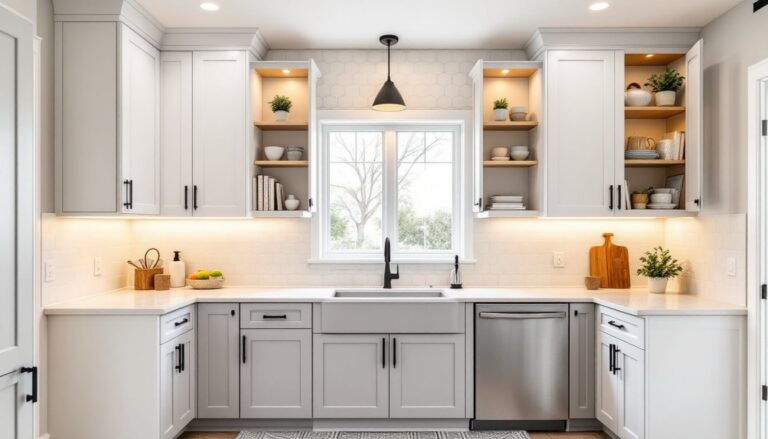


Whether you’re tackling a DIY bathroom reno, planning a kitchen remodel, or overhauling your entire home, renovation projects can quickly spiral into budget-busting, schedule-crushing nightmares without a solid game plan. The difference between a reno that feels rewarding and one that drains your bank account comes down to preparation, material choices, and knowing when to roll up your sleeves versus calling in a pro. This guide covers the essential reno tips that keep your project on track, your wallet intact, and your sanity in one piece. We’ll walk through budgeting, material selection, hiring decisions, design strategy, and the pitfalls that trip up most DIYers so you can avoid them altogether.
Key Takeaways
- Plan your renovation budget in three tiers—must-haves, nice-to-haves, and wish-list items—and set aside 30% as contingency for unexpected costs that inevitably arise.
- Choose durable materials based on cost-per-year-of-use rather than upfront price; prioritize waterproofing and quality construction in high-moisture areas like kitchens and bathrooms.
- Hire licensed professionals for electrical, plumbing, and structural work, and always use written contracts with clear payment schedules (30% down, 40% mid-project, 30% on completion).
- Focus your reno design on function and spatial planning first—storage, lighting, and layout improvements deliver lasting value before cosmetic finishes.
- Avoid common pitfalls by skipping trendy finishes in favor of timeless designs, thoroughly prepping surfaces before installation, and never skipping permits or inspections on code-critical work.
- Build a 20–30% time buffer into your reno timeline and lock in your design before work begins to prevent costly mid-project changes and delays.
Plan Your Budget and Priorities Before Starting
The single biggest reno mistake is starting without a clear budget. Before you order materials or call contractors, sit down with pen and paper, or a spreadsheet, and lay out exactly what you’re spending on. Separate your project into three tiers: must-haves (structural, safety, and function), nice-to-haves (cosmetic upgrades), and wish-list items (luxury finishes). A practical approach to setting priorities is to allocate roughly 40% to structural and mechanical work, 30% to materials and labor, and 30% as contingency. Renovation budgets almost always need that cushion: unexpected structural issues, material delays, and code-required upgrades eat into reserves fast.
Start with a detailed material list and get actual quotes, not guesses. For a DIY bathroom reno, you’ll need exact measurements for tile, vanity, and fixtures. For a kitchen remodel, cabinet dimensions and appliance specs drive the entire budget. Call suppliers and get pricing on three or more options at different price tiers. This is where you spot trade-offs: a mid-range countertop material might last as long as a premium option but cost 40% less. The Hunker guide to renovating on a budget offers practical prioritization strategies that align scope with available funds. Write everything down in a project binder, keep all receipts, quotes, and spec sheets in one place. When surprises hit (and they will), you’ll know exactly what flexibility you have.
Choose the Right Materials for Long-Term Value
Material selection makes or breaks a renovation’s lifespan and appearance. Don’t just chase the lowest price: focus on cost-per-year-of-use. A $4,000 laminate kitchen countertop might need replacement in 10 years, while a $7,000 quartz countertop lasts 25+ years. Spread the cost over time and quartz wins. The same logic applies to flooring, cabinetry, and fixtures.
For a kitchen remodel, prioritize durable surfaces in high-traffic zones. Porcelain tile in kitchen work zones resists stains and moisture better than ceramic: it costs 20–30% more but justifies itself over time. Cabinet boxes matter too, plywood construction beats particleboard for longevity, especially around sinks and appliances where moisture is present. For a DIY bathroom reno, waterproofing isn’t negotiable. Cheap backer board absorbs moisture and leads to mold: spend the extra $50–100 per wall on cement board or waterproof drywall and your bathroom stays sound for decades.
Read material datasheets. Know the warranty, maintenance requirements, and real-world durability ratings. Granite and marble look stunning but etch if acidic cleaners touch them: quartz doesn’t. Luxury vinyl plank (LVP) mimics wood beautifully and costs a fraction of real hardwood, with waterproof cores ideal for kitchens and baths. Trends fade, but solid material choices age gracefully. Check Apartment Therapy’s home design resources for real-world project examples that showcase material performance over time.
Hire the Right Professionals or Know When to DIY
This is where honesty matters most. Some work is DIY-friendly: some isn’t. Painting, demolition, tile backsplashes, and trim install are solid DIY projects if you take time to learn proper technique. Electrical, plumbing, structural modifications, and gas line work typically require licensed pros and permits, codes exist for safety, and inspectors will catch shortcuts.
When hiring contractors for structural or mechanical work, get three competitive bids. A licensed electrician or plumber might cost $100–200/hour, but they carry insurance and know code. A cheap unlicensed contractor might save money upfront and cost you thousands in remedial work later. For kitchen remodel tips on contractor selection, the Bob Vila guide to reducing kitchen renovation costs covers communication strategies and how to spot value in contractor proposals.
Check licenses and references, call at least two previous clients and ask about timeline adherence and final costs. Written contracts should detail scope, timeline, payment schedule, and change-order procedures. Never pay the full amount upfront: typical payment is 30% down, 40% mid-project, and 30% on completion. If a contractor balks at a written contract, walk away. DIY the work you’re confident in, hire the specialists for the rest, and your project stays safe, legal, and on budget.
Design Trends That Maximize Your Space and Appeal
Smart design doesn’t require trendy finishes, it requires smart spatial planning. Before picking colors or fixtures, step back and ask: Does this layout work better? Can I add more storage? Does lighting feel dim or harsh? A renovated kitchen, bathroom, or living space should function better first: aesthetics follow.
Maximize storage by using vertical space. In a kitchen remodel, full-height cabinetry and open shelving above counters multiply storage without eating floor space. In a bathroom reno, a medicine cabinet, recessed shelving, and under-sink organization prevent clutter from overtaking the room. Lighting changes the entire feel, three-way switching in overhead fixtures, task lighting under kitchen cabinets, and vanity lighting flanking bathroom mirrors are reno basics that transform daily use.
Color and finish choices should feel intentional, not dated. Open concept living rewards neutral base colors with pops of accent color in movable décor. A deep kitchen island or matte black fixtures create visual interest without locking you into a trend that fades in three years.
Timeless Finishes Over Fleeting Trends
White subway tile, natural wood cabinetry, brushed nickel hardware, and neutral paint colors aren’t boring, they’re the design equivalent of a white button-down shirt. They work with any décor update in five years without requiring a reno refresh. Trendy colors like millennial pink or Instagram-viral two-tone cabinetry are fun for renters, risky for homeowners. If you love a trend, express it in paint, hardware, or textiles you can swap inexpensively. Save your renovation budget for permanent, durable finishes that withstand time and personal style changes.
Common Renovation Mistakes to Avoid
Skipping prep work ranks first. In any reno, DIY bathroom, kitchen remodel, or full-home update, surface prep determines finish quality. Painting over dirty walls, tiling over uneven substrates, and installing flooring on damp subfloors create problems that emerge weeks or months later. Spend the time sanding, cleaning, and measuring thrice before you cut once.
Underestimating the project timeline compounds stress and cost. A “simple” kitchen remodel typically takes 8–12 weeks if everything runs smoothly. Add permit delays, material backorders, or discovered issues, and you’re looking at 16 weeks or more. Build in a 20–30% time buffer for contingencies. If a contractor promises 4 weeks, ask critical questions, are permits already obtained? Are materials in stock? That timeline might be optimistic.
Changing your mind mid-project is expensive. Ordering cabinets, then upgrading to a different style halfway through demolition means the original order is non-returnable. Lock in your design before work starts. Allow minor tweaks (fixture finish, paint color), but major layout or material swaps multiply costs and delays exponentially.
Forgetting to account for acclimation time trips up DIYers. Solid hardwood and engineered wood flooring expand and contract with humidity: leave material unwrapped in the space for 48–72 hours before install. Tile thinset cures slowly in cool, damp conditions, rushing installation in winter leads to loose tiles. Drywall mud needs proper dry time between coats: one impatient homeowner is one failed finish job.
Finally, ignoring permits and inspections saves money today and costs thousands tomorrow. Unpermitted electrical, plumbing, or structural work kills resale value and creates liability if someone’s injured. Your homeowner’s insurance won’t cover unpermitted DIY work. Check with your local building department, many minor renos don’t require permits, but structural changes, electrical upgrades, and load-bearing wall removal absolutely do.
Conclusion
Successful renovations live and die on planning. Lock in your budget early, prioritize materials that earn their cost over time, hire licensed pros for code-critical work, design for function first, and avoid the mental and financial landmines that catch unprepared DIYers. A reno done right, whether it’s a focused DIY bathroom reno, a full kitchen remodel, or something in between, adds genuine value, improves daily living, and feels like an accomplishment you can be proud of for years. Start with these reno tips, ask questions when you’re unsure, and don’t rush the process. Your future self will thank you.