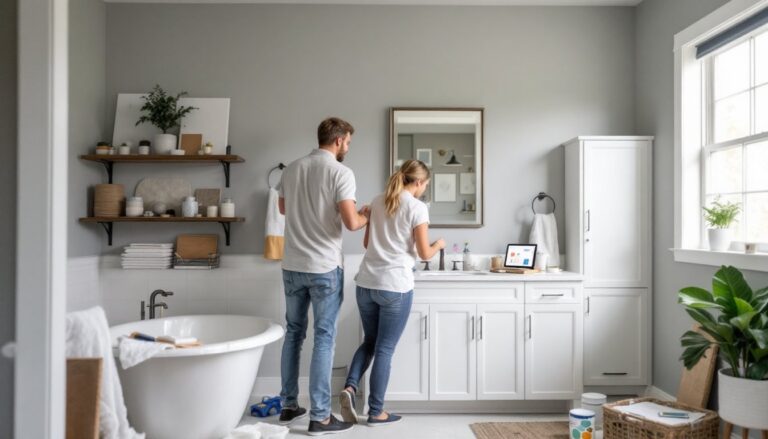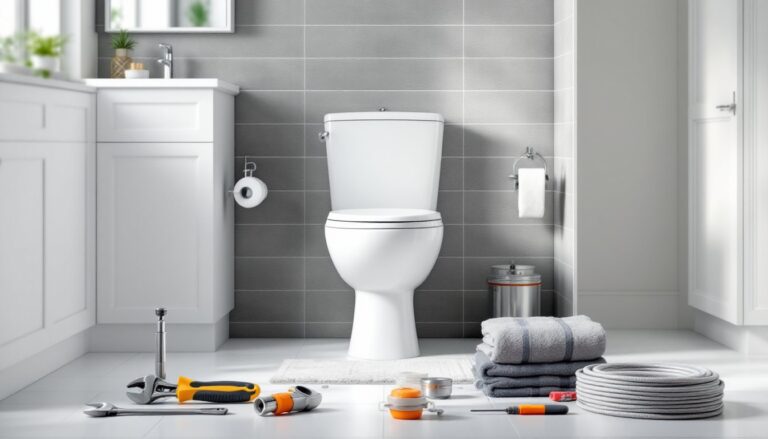


A DIY bathroom remodel doesn’t require a contractor’s budget or a six-month timeline. Whether you’re tackling a cosmetic refresh or a more ambitious bathroom reno, the right approach and preparation can turn this project into one of the most rewarding improvements you make to your home. This guide walks you through planning, selecting tools, updating fixtures, and refreshing surfaces, giving you the practical steps needed to transform your bathroom yourself. Most homeowners discover that with careful planning and honest assessment of skill level, they can handle more than they initially thought possible.
Key Takeaways
- A DIY bathroom remodel is achievable without contractor expenses or long timelines when you carefully plan, assess your skill level, and know which projects require professional help.
- Measure twice and document your bathroom’s layout, plumbing locations, electrical outlets, and wall conditions before ordering materials to avoid costly mistakes.
- Budget 15–20% extra as a contingency buffer and break your timeline into phases, prioritizing structural repairs first, then plumbing and electrical, then finishing work.
- Invest in essential tools like a tape measure, stud finder, power drill, and safety gear, but rent specialized equipment like tile saws rather than buying them for one-time use.
- Transform your bathroom quickly with fixture replacements (faucets, hardware, mirrors, towel bars) before tackling larger projects like tile work or flooring.
- Prioritize waterproofing in wet areas, use bathroom-grade paint with mildew-resistant additives, ensure proper ventilation, and know your limits by calling licensed professionals for electrical, plumbing, and structural work.
Assess Your Bathroom and Plan Your Project
Before ordering materials or touching your walls, spend time measuring and documenting what you’re working with. Grab a tape measure, notebook, and camera to record the current layout, dimensions, and condition of every surface, floors, walls, ceiling, and existing fixtures. This inventory prevents costly mistakes and helps you identify which projects require permits or professional help.
Draw a rough floor plan with measurements. Note the location of plumbing rough-ins (where water lines and drains are), electrical outlets, and light switches. Identify load-bearing walls or structural elements you’ll need to work around. Taking time here saves hours of problem-solving later.
Decide what’s cosmetic and what’s structural. Painting, replacing hardware, and installing new fixtures are typically DIY-friendly. Moving plumbing lines, rerouting electrical, removing walls, or addressing mold and moisture damage usually require permits and licensed professionals. Be honest about this boundary, building code violations can create liability issues and complicate future home sales.
Budget and Timeline Considerations
Set a realistic budget and add 15–20% as a contingency buffer. Material prices fluctuate, and unforeseen issues (hidden water damage, outdated wiring) often emerge once you start demo. Research local material costs for tiles, paint, fixtures, and hardware, they vary significantly by region and supplier.
Break your timeline into phases. A full bathroom renovation typically spans 3–8 weeks for a DIYer working weekends, depending on scope. Prioritize: structural repairs first, then plumbing and electrical, then finishes. Don’t commit to a hard deadline if other people depend on that bathroom, living without a functioning bathroom tests even the most patient household.
Consider sequencing carefully. Tile work, paint, and cabinetry installation are easier to spread across weekends than major plumbing overhauls. A phased approach keeps your sanity intact and lets you learn as you go.
Essential Tools and Materials You’ll Need
You don’t need a professional contractor’s tool collection, but certain items are non-negotiable for a bathroom reno. Start with measuring and layout: a 25-foot tape measure, torpedo level, stud finder, and pencils for marking. A utility knife and pry bar handle demolition safely and efficiently.
For updates and finishing work, gather screwdrivers (Phillips and flathead), a power drill/driver, adjustable wrench, adjustable pliers, and a hammer. If you’re removing old tiles or fixtures, a reciprocating saw or oscillating multi-tool with appropriate blades speeds up demo dramatically, these tools rent affordably at most home centers.
Safety gear is non-negotiable: safety goggles, work gloves, dust masks or respirators (especially during demo and when sanding), and ear protection if using power tools. Wear closed-toe shoes with good grip on potentially wet floors.
For materials, baseline your project scope first. A cosmetic bathroom renovation focuses on paint, hardware, and lighting. A more ambitious DIY bathroom remodel may include tile flooring, new cabinetry, or vanity replacement. Stock tile spacers, thin-set mortar, grout, caulk, and grout sealer if tiling. For drywall repairs, grab joint compound, joint tape, sandpaper (120, 150, and 220-grit), and a putty knife. Buy paint in the right sheen, a semi-gloss or satin finish resists moisture better than flat or eggshell in bathrooms.
Budget for specialty items like a toilet flange repair kit, P-trap extensions, or drain auger if you’re working with existing plumbing. Renting specialized tools (tile saws, drywall lifts) is smarter than buying them if you’re a one-time user.
Update Fixtures and Hardware
Replacing faucets, towel bars, mirrors, and cabinet hardware transforms a bathroom with minimal structural headache. These projects deliver visual impact quickly and build your confidence before tackling larger work.
Start with sink faucets. Turn off the water supply valves under the sink first, locate them and test that they work before starting. Use an adjustable wrench to disconnect the old supply lines and unscrew the mounting nuts beneath the sink deck. Lift out the old faucet and clean away old caulk or sealant with a utility knife. Install the new faucet according to its manufacturer instructions, reconnect supply lines, and test for leaks before moving forward. Most faucet installations take 30–45 minutes once water is off.
Towel bars, shelves, and mirrors require finding studs or using toggle bolts for drywall mounting. A stud finder locates studs quickly. Mount bars into studs when possible, they support weight far better than anchors alone. Use the correct fasteners for your wall material: toggle bolts work in drywall, but solid masonry or tile may require masonry anchors and a rotary hammer.
Replacing cabinet hardware (knobs and pulls) is a confidence-builder. Remove old hardware with a screwdriver, fill old holes if the new hardware’s holes don’t align, and install new pieces. This single change refreshes tired cabinetry without replacing the whole cabinet.
Toilet replacement is more involved but manageable. Shut off the water, flush to empty the tank, and disconnect the water supply line. Unbolt the bowl from the flange, remove it (it’s heavy: get a second pair of hands), and lift away the old wax ring. Set a new wax ring on the flange, position the new bowl, and bolt it down hand-tight before final tightening. Reconnect water and test for leaks. If you’re nervous about the wax ring, self-sealing wax rings or felt sealing rings reduce mess and leak risk.
Refresh Walls, Flooring, and Lighting
Wall and floor finishes define a bathroom’s look and durability. Paint is the fastest, lowest-cost refresh, but moisture-prone areas demand the right product and prep.
Prepare walls by cleaning thoroughly, sanding glossy surfaces, patching holes with joint compound, and priming. Use a bathroom-grade paint with mildew-resistant additives (look for “bathroom” or “kitchen & bath” on the label). Semi-gloss or satin finishes resist moisture and scrubbing better than flat finishes. Paint cabinets or walls two coats, allowing proper dry time between coats per manufacturer guidance, usually 2–4 hours indoors, longer in humidity.
For flooring, vinyl planks (LVP) and ceramic tile are DIY-accessible. LVP requires minimal skill: measure, cut planks to fit (a circular saw works: a miter saw gives cleaner cuts), and click them together over a moisture barrier. Tiles demand more precision. Lay out your pattern dry first (without mortar), then spread thin-set mortar with a notched trowel, place tiles, use spacers for consistent grout lines, and grout after mortar sets. Grout lines and sealing add durability. If tiling intimidates you, large-format tiles (12×24 inches or bigger) feel less fiddly than small tiles, and fewer grout lines mean fewer places to fail.
Lighting upgrades brighten and modernize bathrooms. Ventilation fans prevent mold and moisture damage, essential if yours is missing or non-functional. Hiring a licensed electrician for fan installation is smart if you’re unfamiliar with wiring: incorrectly vented fans direct moisture into attics. For vanity lighting, swapping fixtures is electrician work unless you’re experienced with electrical codes. Recessed lights require drywall cutting and wiring, another job where a pro’s expertise is worth the cost.
Common Mistakes to Avoid
Skipping prep work, dust, grime, and old finish prevent new paint and adhesives from bonding properly. Clean and prime every surface. Not acclimating materials is costly: let tile, flooring, and wood adapt to bathroom humidity for 48 hours before installation. Neglecting waterproofing behind tile in shower or tub areas invites mold and structural rot, use cement board or waterproof drywall in wet zones, not standard drywall. Under-sizing grout joint width creates a brittle, cracking grout line: aim for 1/8 to 1/4 inch with appropriate spacers. Forgetting ventilation lets moisture accumulate, breeding mold and damaging finishes. Finally, rushing electrical or plumbing work to save money often costs more in rework and repairs, know your limits and call a pro when needed.
Conclusion
A successful DIY bathroom renovation combines honest self-assessment with methodical planning. Whether your focus is a cosmetic bathroom reno or a more complete DIY bathroom remodel, the same principles apply: measure twice, prepare surfaces thoroughly, invest in the right tools, and know when to hire help. Take on fixture replacement and finishing work confidently: defer structural, electrical, and plumbing work to licensed professionals unless you have documented training. Most homeowners find that a phased approach, tackling one project at a time over several months, delivers excellent results while maintaining household sanity. Start small, document your progress, and you’ll build the skills and confidence to handle a fuller bathroom transformation next time.