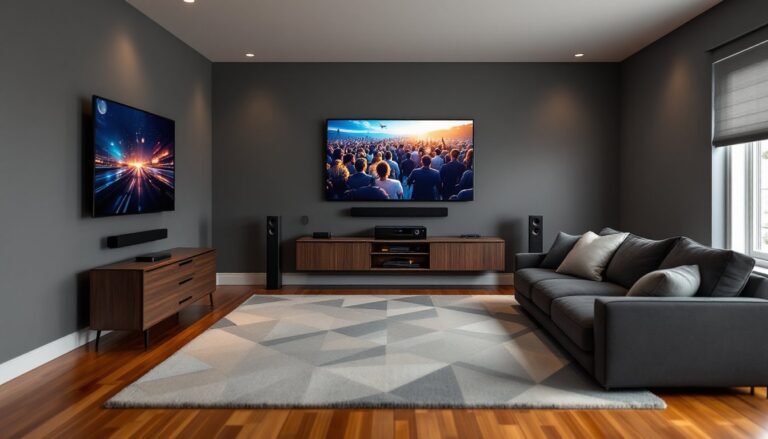


Home Depot isn’t just for lumber and power tools anymore. The retailer has quietly become a solid source for living room furniture that balances function, durability, and price. Whether someone’s furnishing their first apartment or refreshing a tired family room, they’ll find a practical range of sofas, sectionals, tables, and accent pieces that skip the markup common at specialty furniture stores. This guide walks through what’s available, how to choose pieces that fit the space, and where to find the best deals without sacrificing quality.
Key Takeaways
- Home Depot living room furniture offers price transparency, free shipping, and flexible 90-day returns without the markup of specialty furniture stores.
- Choose sofas with solid wood frames, high-density foam cushions (1.8 lb/ft³ or higher), and performance fabrics for durability and stain resistance in high-traffic homes.
- Measure your space first using a room layout sketch or app, ensuring at least 30 inches of walkway space and proper furniture proportions relative to room dimensions.
- Shop during peak sale periods—Labor Day offers 25–40% discounts and Black Friday provides doorbuster deals, while January clearance can mark down items 30–50%.
- Match your furniture to a cohesive material palette of two to three finishes, and read customer reviews with 4–5 stars and 50+ ratings to verify quality and construction durability.
Why Choose Home Depot for Living Room Furniture
Home Depot offers several practical advantages for furniture shoppers who want straightforward transactions and reliable service.
Price transparency is a big one. There’s no haggling, no mystery “sale” pricing, and no pressure from commission-based sales staff. The website shows real-time inventory at local stores, which saves trips for out-of-stock items. Most pieces ship free or qualify for in-store pickup, cutting delivery fees that furniture chains often tack on.
Assembly and delivery options are clearly outlined upfront. Many items arrive ready to assemble, with detailed instructions and customer reviews that flag common assembly issues. For larger pieces like sectionals, paid delivery and setup services are available, helpful for anyone without a truck or a second pair of hands.
Return policies follow Home Depot’s standard terms: most furniture can be returned within 90 days with a receipt, assuming it’s not damaged or stained. That’s more generous than many furniture stores, which limit returns to 30 days or charge restocking fees.
The selection leans toward contemporary and transitional styles, clean lines, neutral palettes, and modular designs that work in a range of homes. Don’t expect ornate traditional pieces or ultra-modern Italian imports. The inventory focuses on mid-range quality that holds up to daily use without requiring a second mortgage.
Top Living Room Furniture Categories at Home Depot
Sofas and Sectionals for Every Space
Home Depot’s sofa selection covers small-space loveseats, standard three-seaters, and modular sectionals that adapt to different room layouts. Key features to look for:
- Frame construction: Solid wood or engineered wood frames with corner blocks and glued joints hold up better than stapled frames. Check product descriptions for weight capacity, quality sofas support at least 250 pounds per seat.
- Upholstery options: Polyester blends dominate, often treated with stain-resistant coatings. Performance fabrics (marketed under names like “CleanCare” or “StainSmart”) resist spills and pet hair better than untreated textiles. Leather and faux leather options exist but require more maintenance.
- Cushion fill: High-density foam (1.8 lb/ft³ or higher) maintains shape longer than standard foam. Some models use pocket coils for added support, worth considering for anyone who spends hours on the couch.
- Modularity: Sectionals with reversible chaise lounges or detachable ottomans offer flexibility if the layout changes. Confirm that connectors are metal, not plastic clips that pop loose.
For small living rooms (under 200 square feet), apartment-sized sofas (72–78 inches wide) fit without overwhelming the space. Measure doorways and stairwells before ordering, most sofas ship in one piece, and a 38-inch doorway won’t accommodate a bulky sectional.
Some shoppers compare Home Depot’s offerings to furnishing strategies from other retailers, where modularity and budget are top priorities. The key is matching the furniture scale to the room dimensions.
Coffee Tables and Accent Tables
Coffee tables and side tables at Home Depot range from basic laminate tops to solid wood and metal frames. Material choices affect durability and maintenance:
- Solid wood (oak, pine, acacia): Scratches and dents can be sanded out, but the surface needs coasters and placemats. Expect to reapply furniture oil or wax every 6–12 months.
- Engineered wood with veneer: Budget-friendly and stable, but the veneer can peel if exposed to moisture. Avoid placing near humidifiers or in damp basements.
- Tempered glass: Easy to clean and visually light, but shows fingerprints. Confirm the glass is at least 8mm thick for safety. Tempered glass shatters into small, less dangerous pieces if broken.
- Metal and mixed materials: Industrial-style tables with steel frames and wood tops balance durability and aesthetics. Powder-coated finishes resist rust better than bare metal.
Sizing guidelines: Coffee tables should sit 14–18 inches from the sofa edge and measure about two-thirds the sofa’s length. Side tables should align with the sofa arm height (typically 24–26 inches) for easy reach.
Storage coffee tables with lift-tops or lower shelves hide remotes, magazines, and blankets, practical for households that don’t have built-in storage. Check that lift mechanisms use gas struts or hydraulic pistons, not flimsy hinges that wear out.
How to Choose the Right Furniture for Your Living Room Style
Matching furniture to a room’s style requires more than picking items that look good in isolation. The pieces need to work together in scale, material, and color.
Measure first, shop second. Sketch the living room layout on graph paper (¼ inch = 1 foot) or use a free room planner app. Note door swings, outlet locations, and traffic paths. Furniture should leave at least 30 inches of walkway space and 12–18 inches between the coffee table and seating.
Consider sightlines and focal points. In rooms with a fireplace or large window, arrange seating to face that feature. In TV-centered rooms, ensure the screen sits at eye level when seated (typically 42 inches from the floor to the screen’s center). Avoid blocking windows or vents with bulky furniture.
Choose a cohesive material palette. Mixing too many finishes (dark wood, light wood, glass, metal) creates visual clutter. Stick to two or three materials. For example, a gray upholstered sofa pairs well with a walnut coffee table and black metal side tables. Inspiration from resources like contemporary design platforms can help visualize how materials interact in real spaces.
Balance proportions. A deep sectional (40+ inches from back to front) needs a larger coffee table to match its visual weight. Delicate, spindle-legged tables look out of place next to overstuffed leather furniture. If the sofa is low-profile (seat height under 18 inches), choose tables that don’t tower over it.
Account for lifestyle factors. Homes with kids or pets benefit from performance fabrics and furniture with washable slipcovers. Light-colored upholstery shows stains, while dark fabrics show pet hair. Furniture with exposed wooden legs is easier to clean around than skirted sofas.
Don’t forget lighting and accessories. Furniture looks different under warm LED bulbs versus cool daylight. Test fabric swatches in the actual room lighting before committing to a full sofa. Floor lamps, throw pillows, and area rugs tie the furniture together, budget 10–15% of the furniture cost for these finishing touches.
Budget-Friendly Shopping Tips and Seasonal Sales
Home Depot’s furniture pricing is competitive year-round, but timing purchases around sales cycles saves significant money.
Best sale periods:
- President’s Day (February): Expect 20–30% off select furniture lines.
- Memorial Day and Fourth of July: Outdoor furniture dominates, but indoor pieces see smaller discounts (10–15%).
- Labor Day (September): One of the best times to buy. Retailers clear inventory for fall shipments, and discounts hit 25–40%.
- Black Friday/Cyber Monday: Doorbuster deals on limited inventory. Shop online early, popular items sell out fast.
- Post-holiday clearance (January): Overstock from the holiday season gets marked down 30–50%, but selection is limited.
Price-matching and promotions: Home Depot matches competitors’ prices (Lowe’s, Wayfair, Amazon) if the item is identical and in stock. Bring proof via a smartphone screenshot. The store also offers bulk discounts on Pro accounts, worth signing up for if buying multiple rooms of furniture.
Financing options: Home Depot’s consumer credit card offers six months no interest on purchases over $299. Read the terms carefully, deferred interest applies retroactively if the balance isn’t paid in full by the promotional period’s end. For larger projects, the Home Depot Project Loan provides fixed-rate financing up to $55,000.
Floor models and open-box items: Check the clearance section in-store for display models marked down 30–60%. Inspect carefully for scratches, stains, or loose joints. These items are final sale, so damages won’t be covered under warranty.
Delivery and assembly costs: Factor these into the budget. Standard delivery runs $79–$149 depending on item size and distance. Assembly adds another $50–$100 per piece. DIYers can save by renting a Home Depot truck ($19 for 75 minutes, $129 for 24 hours) and assembling at home. Most furniture assembly requires only a Phillips screwdriver, Allen wrenches (often included), and a second person for heavy lifting.
Quality checks before buying: Read reviews for recurring complaints about weak joints, short lifespans, or difficult assembly. Furniture with mostly 4–5 star reviews and at least 50 ratings tends to meet expectations. Pay attention to reviews mentioning interior design trends that align with the piece’s style, if it’s marketed as “mid-century modern,” it should reflect that aesthetic accurately.
Warranty and protection plans: Home Depot offers extended warranties through third-party providers. These typically cost 10–15% of the furniture price and cover accidental damage for 2–5 years. Evaluate whether the coverage justifies the cost, most structural defects appear within the manufacturer’s standard 1-year warranty. For high-traffic homes with kids or pets, the protection plan might be worth it for upholstered pieces.
Conclusion
Home Depot’s living room furniture lineup delivers practical, mid-range options for homeowners who value straightforward shopping and reliable service. By measuring the space, choosing durable materials, and timing purchases around major sales, anyone can furnish a functional, stylish living room without the markup or pressure of traditional furniture stores. Focus on quality construction, honest assessments of daily use, and pieces that fit both the room and the household’s lifestyle.