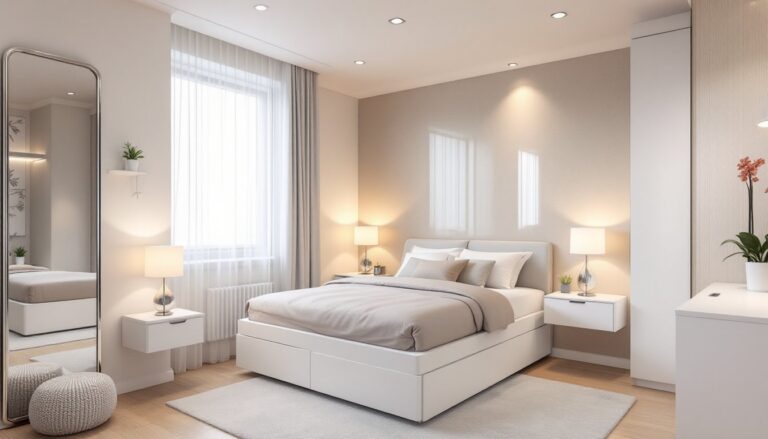

Your master bedroom should be more than just a place to sleep, it’s your personal retreat. Whether you’re planning a full master bedroom renovation or refreshing what you have, the right remodel ideas can turn an ordinary bedroom into a sanctuary that reflects your style and meets your comfort needs. From wall colors and lighting to flooring and furniture layouts, this guide walks you through practical, budget-conscious strategies to elevate your master bedroom without gutting your wallet or your timeline. We’ll cover everything from quick cosmetic wins to the bigger upgrades worth the investment, helping you prioritize what matters most to your space and lifestyle.
Key Takeaways
- Master bedroom remodel ideas should prioritize layered lighting with dimmable fixtures, warm-white LEDs, and bedside sconces to create a relaxing sanctuary that supports both task and ambient needs.
- Soft, neutral color palettes paired with accent focal walls and textured treatments like shiplap or peel-and-stick wallpaper transform a bedroom’s mood without overwhelming the space.
- Quality bedding, blackout curtains, and an area rug under the bed are budget-friendly quick wins that deliver outsized comfort and aesthetic impact for under $2,000 combined.
- Strategic furniture layout—positioning beds opposite doors and matching nightstand heights to mattress level—improves flow and perception of space in your master bedroom.
- Major upgrades like flooring, built-in closets, and bathroom renovations return 50–60% on resale, while cosmetic updates return 60–80%, so phase projects based on lifestyle needs and budget.
- Hardwood and luxury vinyl plank flooring last decades and add warmth, while textural elements like wool rugs and linen curtains create a restful, sensory-rich environment without slick finishes.
Modern Color Palettes and Wall Treatments
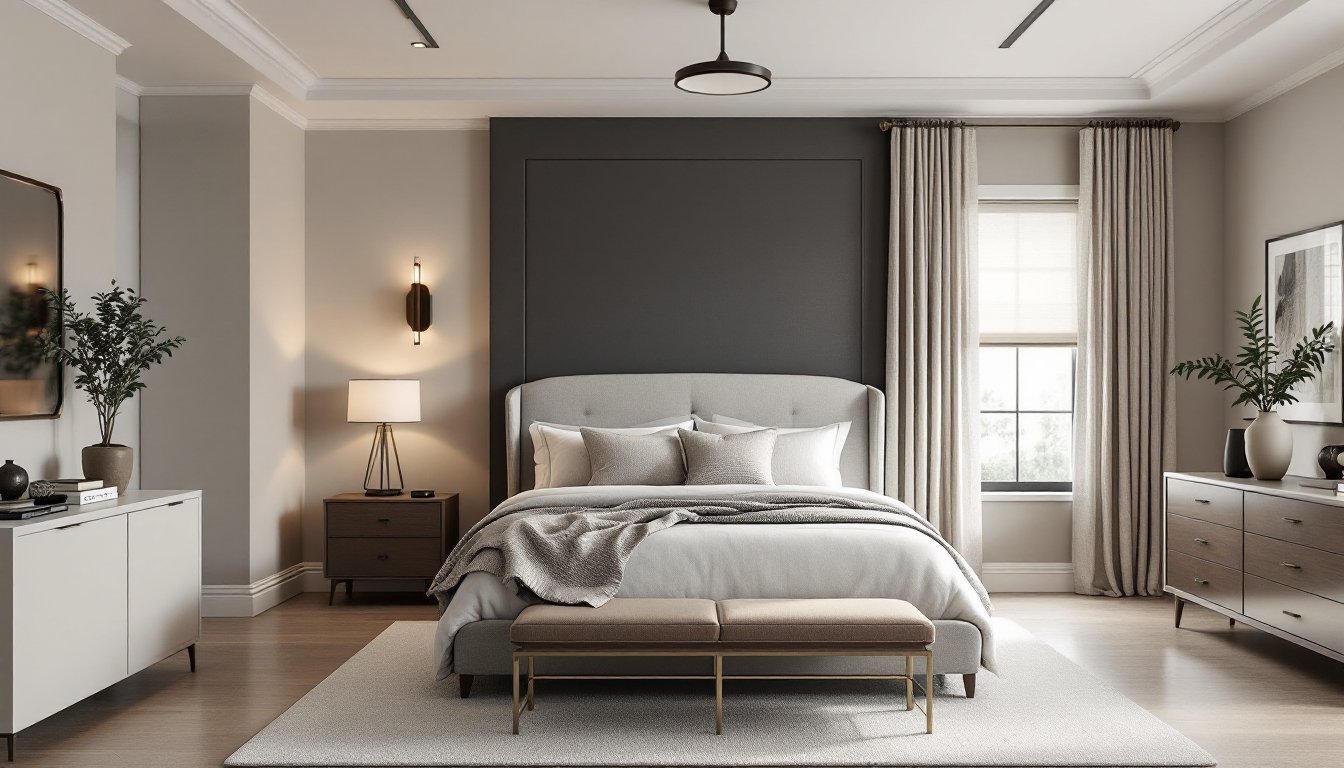
Color sets the mood in your master bedroom, and modern palettes lean toward calm, cohesive tones. Soft neutrals, warm grays, taupe, warm whites, and soft beige, create an inviting backdrop that won’t fight with future decor changes. If you want depth without drama, consider a two-tone wall treatment: paint the wall behind your bed a slightly deeper shade (charcoal, navy, or sage) while keeping the remaining walls light. This focal wall draws the eye and adds dimension without overwhelming the space.
Beyond paint, textured wall treatments are trending. Shiplap adds farmhouse charm and costs roughly $1.50 to $3 per square foot in materials (plus labor if hiring help). Accent wallpaper, geometric patterns, botanical prints, or grasscloth, creates visual interest on a single wall. If you’re concerned about permanent changes, removable peel-and-stick wallpaper offers a lower-commitment option at $25 to $75 per roll. Ensure your walls are clean and smooth before applying either paint or wallpaper: poor prep work leads to peeling, bubbling, and wasted materials. Invest in a quality primer (Benjamin Moore or Sherwin-Williams) for better adhesion and coverage, especially over darker colors or glossy finishes.
Lighting Design for Comfort and Ambiance
Lighting in a master bedroom should serve triple duty: task lighting for getting ready, ambient light for relaxation, and accent lighting for mood. Overhead fixtures alone create harsh, unflattering light. Layer your lighting with a combination of bedside reading lamps, wall sconces flanking your headboard, and dimmable ceiling lights or a chandelier. Dimmers are essential, they let you shift from bright morning light to soft evening warmth without changing bulbs.
LED bulbs are non-negotiable for energy savings and longevity. Choose warm white (2700K color temperature) for bedrooms: this mimics incandescent warmth without the heat. Smart bulbs (Philips Hue, LIFX) add flexibility for under $15 to $25 per bulb and sync with your phone or voice assistant. Wall sconces mounted 36 to 40 inches above the nightstand provide ideal reading light without creating glare. If your bedroom lacks an electrical outlet near the bed, hire a licensed electrician to run new circuits and outlets, a DIY mistake here risks fire hazard and code violations. Budget $150 to $400 for one new outlet, depending on distance and wall construction.
Luxury Bedding and Window Treatments
Quality bedding anchors the room and affects how you sleep. High thread-count cotton (Egyptian or Pima) feels softer and lasts longer than budget linens: expect to spend $200 to $500 on a set (sheets, pillows, comforter) that won’t pill or fade quickly. Layering, a quality duvet cover, throw pillows, and a decorative throw, adds texture and visual warmth without massive expense.
Window treatments control light, temperature, and privacy. Blackout curtains ($40 to $150 per panel) block morning sun and reduce outside noise, making them practical for sleep quality. If you prefer a cleaner look, motorized roller shades ($200 to $600) can be programmed to rise and fall on a schedule, great for waking naturally with sunrise or blocking light before bed. Linen or linen-blend curtains drape elegantly and diffuse light softly: but, they require more frequent cleaning than synthetic blends. Measure your window width and height accurately before ordering: most custom options won’t accept returns due to sizing. Sheer underlayments paired with heavier curtains give you flexibility to filter light during the day and blackout at night.
Storage Solutions and Furniture Layout
Master bedrooms suffer from inadequate storage. Built-in closet systems, under-bed drawers, and wall-mounted shelving maximize square footage without cramping the room. A walk-in closet retrofit costs $3,000 to $8,000 if you have the wall space: a closet organizer system (shelves, rods, drawers) runs $500 to $2,000 installed. For renters or those avoiding construction, freestanding armoires or low-profile dressers tuck against walls effectively.
Furniture layout impacts flow and perception of space. Position your bed opposite the door (if possible) to create visual balance. Nightstands should be roughly the same height as your mattress top (12 to 18 inches typically) for easy reach. A low-profile bench at the foot of the bed adds seating without blocking views. Floating shelves above a dresser or desk provide display space for décor without eating floor area. Avoid pushing all furniture to walls: a slightly offset nightstand or a low bench in the room’s center creates layered depth. Dark furniture suits larger rooms: lighter, furniture in smaller bedrooms makes the space feel airier.
Flooring and Textural Elements
Flooring is one of the bigger decisions in any master bedroom renovation. Hardwood (oak, maple, walnut) adds warmth and lasts 25+ years: expect $6 to $12 per square foot installed. Engineered hardwood is more affordable ($3 to $8 installed) and handles humidity better than solid wood in basements or humid climates. Luxury vinyl plank (LVP) has improved dramatically: waterproof options run $2 to $5 per square foot and mimic wood convincingly. Carpet offers comfort and sound dampening but traps allergens and stains, if you choose it, opt for solution-dyed nylon or wool blends rated for residential use.
Textural elements, area rugs, linen curtains, woven headboards, and layered bedding, add sensory interest. A plush rug under the bed softens morning foot traffic and defines the sleeping zone: size it so at least 2 feet extends on either side of the bed. Jute, wool, or jute-blend rugs ($150 to $400 for 8×10 feet) age gracefully. Mix matte and shiny finishes: a matte finish on walls, glossy hardware on nightstands, soft fabric on the upholstered headboard. This prevents the room from feeling flat or monochromatic. Avoid overly slick surfaces that reflect light harshly: prioritize matte and natural finishes for a restful environment.
Budget-Friendly Quick Wins vs. Major Upgrades
Not every master bedroom remodel requires a five-figure budget. Quick wins deliver outsized impact for minimal cost: new bedding ($200 to $400), fresh paint ($200 to $400 in materials for an average room), updated lighting fixtures ($50 to $200 per fixture), and new curtains or shades ($200 to $500 total). These cosmetic changes transform the space in a weekend or two and cost under $2,000 combined.
Major upgrades, flooring, built-in closets, structural changes, run $5,000 to $20,000+ and take weeks. A diy bathroom remodel teaches important prep and sequencing lessons that apply to bedrooms: always plan before purchasing, measure twice, and don’t underestimate labor time. If considering an ensuite bathroom renovation alongside bedroom work, budget separately: bathrooms involve plumbing, electrical, and ventilation that require licensed professionals in most jurisdictions.
For cost estimates on major upgrades, consult local contractors and factor in 10% contingency for surprises. Real estate trends show that cosmetic bedroom updates return 60 to 80% on resale, while major structural upgrades return 50 to 60%, so prioritize based on your timeline and whether you’re renovating for yourself or future buyers. Consider phasing work: paint and lighting this year, flooring and storage next year. This spreads costs and lets you live with choices before committing further.
Conclusion
A master bedroom remodel doesn’t require heroic effort or unlimited funds. Start with one impactful change, a fresh color, new bedding, or upgraded lighting, and build from there. Focus on comfort, functionality, and personal style over trends that fade. Whether you’re tackling a full master bedroom renovation ideas project or making incremental improvements, the best bedroom is one that reflects how you actually live and rest. Take time to measure, plan, and prioritize what matters to your daily comfort, and you’ll create a sanctuary you’ll genuinely enjoy for years to come.