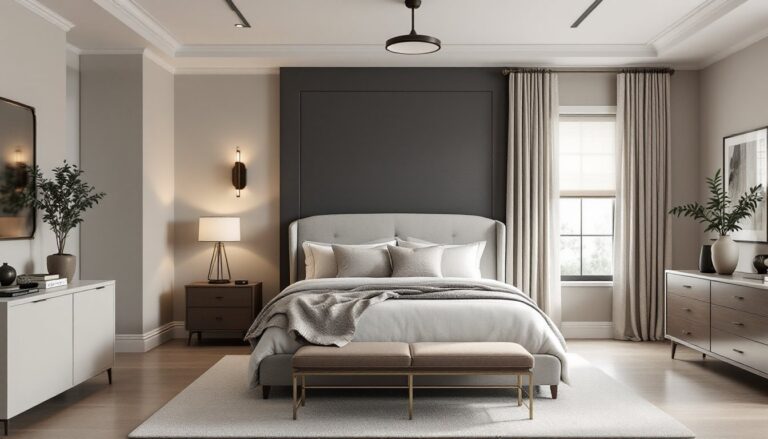

A small bedroom doesn’t mean sacrificing comfort or style. Whether you’re working with a 10×12 room or something even tighter, smart small bedroom remodel ideas can transform your space into a functional, inviting retreat. The key lies in strategic choices, from furniture selection to lighting and color. This guide walks through practical remodel strategies that maximize every square foot without requiring a full gut renovation. You’ll discover how thoughtful planning, space-saving furniture, and design tricks can make a compact bedroom feel larger, more organized, and genuinely enjoyable to spend time in.
Key Takeaways
- Smart small bedroom remodel ideas prioritize multifunctional furniture like platform beds with storage and wall-mounted nightstands to maximize limited floor space.
- Strategic layout planning with clear traffic flow and psychological zoning makes compact bedrooms feel larger and more functional without structural changes.
- Vertical storage using wall-mounted shelves, hooks, and tall cabinets is essential in small bedroom remodels to preserve premium floor area.
- Light colors, mirrors, and layered lighting create visual expansion and ambiance, transforming small bedrooms faster and more affordably than furniture replacements.
- Intentional design that respects layout, multifunctional pieces, and smart color and light choices turns compact bedrooms into organized, inviting retreats.
Strategic Furniture Selection for Compact Spaces
Multifunctional and Space-Saving Pieces
Furniture is the skeleton of any small bedroom remodel. The difference between a cramped room and an airy one often comes down to what you put in it, and what you leave out. The golden rule: every piece should earn its place by serving multiple purposes or taking up minimal footprint.
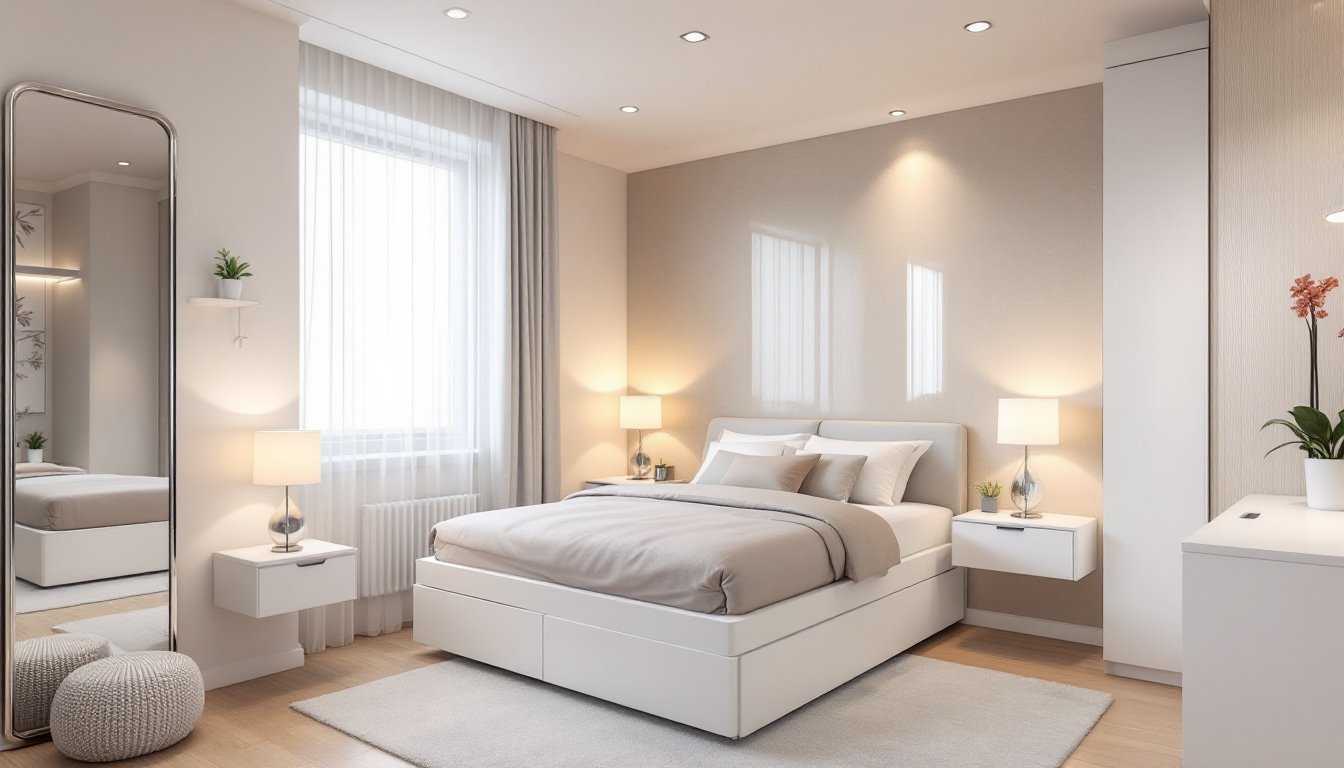
A platform bed with built-in drawers underneath eliminates the need for a separate dresser. Wall-mounted nightstands free up floor space that traditional bedside tables consume. An ottoman with hidden storage provides seating, a footrest, and a home for extra blankets or off-season clothing, all in one compact package.
When selecting pieces for a small bedroom remodel cost-conscious approach, consider the scale carefully. A queen bed in a 10×12 room is workable: a king bed leaves barely enough room to walk around it. Measure doorways and calculate sightlines before buying. Many homeowners overlook how furniture placement affects traffic flow, which makes the room feel smaller and more congested than it actually is.
Loft beds work well for guest rooms or young adults’ spaces, lifting the sleeping area and opening up room underneath for a desk, seating, or storage. Wall-mounted fold-down desks are another space-saver if you need a work surface. The best multifunctional pieces feel intentional, not makeshift, solid construction and thoughtful design make a real difference in how the room functions day-to-day.
Remember: less furniture, strategically placed, always beats a room packed tight with “must-have” pieces. Principles from small space interior design apply directly here, constraint breeds creativity.
Master Layout and Design Planning
Creating Flow in Limited Square Footage
Before you move a single piece of furniture, sketch your layout. Even a rough pencil drawing of the room at scale reveals what works and what doesn’t. Measure the room’s actual dimensions, window and door placements, and any fixed features like closets or radiators. Mark the swing direction of doors, a door that opens inward can waste precious floor space.
Traffic flow matters more in small rooms than large ones. If you have to squeeze past the foot of the bed to reach the closet, the room will feel cramped every single day. Ideally, create a clear path from the door to the bed and to the closet without obstacles. This mental ease translates into physical comfort.
Consider whether your bed placement makes sense. A bed centered on the wall opposite the door often looks balanced: tucking it against a side wall opens up sightlines and can make the room feel wider. In narrow bedrooms, positioning furniture perpendicular to the walls (rather than against them) can paradoxically create a sense of more breathing room.
Zoning also helps even in small spaces. A small table or rug can define a “sleeping zone” separate from a “work zone” or “reading nook.” This psychological separation makes the room function as multiple mini-spaces rather than one cramped box. Many successful small bedroom remodel projects use subtle zoning techniques to expand the perceived size without structural changes.
Take time with layout planning. Young House Love’s approach to budget home renovation emphasizes that smart planning beats expensive fixes. A $50 tape measure and graph paper investment now prevents expensive furniture mistakes later.
Vertical Storage and Smart Organization
Vertical storage is non-negotiable in a small bedroom remodel. Walls are free real estate, use them. Floor space is premium: every square inch matters.
Wall-mounted shelving above the bed, desk, or dresser provides storage without consuming precious floor area. Floating shelves feel less bulky than traditional bookcases and suit modern or minimalist aesthetics. Open shelving looks airier than closed cabinets, though closed storage hides visual clutter better, choose based on your tolerance for seeing objects.
A tall, narrow bookcase or cabinet tucked into a corner maximizes vertical space. The Kallax style cube shelving systems (or DIY equivalents) stack compactly and can be customized with inserts for specific items. Don’t leave wall space above furniture unused: add shelving or hooks for baskets, hats, or decor.
Hooks on the back of the bedroom door or on adjacent walls eliminate the need for a coat rack or additional furniture. Pegboards are underrated, they’re modular, visual, and functional, holding everything from baskets to office supplies to art.
Under-bed storage containers (plastic bins, fabric drawers, or vacuum-sealed bags) capture the dead space beneath the mattress. Label everything so you know what’s stored and can retrieve it without rummaging. Built-in drawer options are best if you’re doing a full DIY bathroom remodel or bedroom overhaul and can modify the bed frame itself.
Clothing storage deserves special attention. If closet space is limited, a slim rolling garment rack or a wall-mounted rod extends hanging capacity. Drawer dividers keep folded items organized and prevent that jumbled-mess-of-clothes appearance that makes small rooms feel cluttered. The organizing principle is simple: everything has a place, and the place is vertical or hidden.
Color, Pattern, and Light to Expand the Room
Using Reflective Surfaces and Strategic Lighting
Color psychology and light have real, measurable effects on how large a room feels. Light colors (soft whites, pale grays, warm creams) reflect light and visually expand space. Dark colors absorb light and can make rooms feel cave-like. In a small bedroom remodel, a soft, neutral wall color paired with accent colors via bedding, art, or accessories lets you change the mood without overwhelming the space.
Pattern works, but use it sparingly. A patterned accent wall or curtains add personality without making the room feel smaller, just ensure the pattern isn’t too busy or dark. Large-scale patterns can overwhelm small rooms: smaller, more delicate patterns usually work better.
Mirrors are the secret weapon. A large mirror opposite a window bounces natural light around the room and creates the illusion of depth. Even a modest-sized mirror on an accent wall helps. Mirrored closet doors serve double duty: they reflect light and visually expand the wall.
Lighting deserves as much attention as paint color. Overhead ceiling fixtures alone create harsh shadows and don’t work well for small rooms. Layer your lighting: recessed lights or a low-profile ceiling fixture for general light, bedside lamps for task lighting, and perhaps wall sconces or string lights for ambiance. Good lighting makes the room feel larger, more refined, and more inviting.
Consider the color temperature of bulbs. Warm white (2700K) is cozy: cool white (4000K) feels crisp and energizing. For bedrooms, warm white generally works better. Apartment Therapy’s design advice emphasizes that lighting and color are the fastest, most affordable ways to transform a room’s feeling, no furniture moving required.
Add reflective surfaces beyond mirrors: glossy paint finishes, light-colored furniture, and even stainless steel accents bounce light around. Sheer curtains or lightweight window treatments let daylight in while maintaining privacy. Avoid heavy blackout curtains unless sleep is sensitive to light: they absorb light and make the room feel darker and smaller.
Putting It All Together
Small bedroom remodel ideas succeed when they respect three principles: intentional layout planning, multifunctional furniture, and smart use of color and light. You don’t need expensive renovations to transform a compact bedroom into a functional, beautiful space. Start with a clear plan, invest in pieces that earn their place, and use walls, mirrors, and light to open up the room visually. Whether you’re tackling a full remodel or incremental updates, these strategies ensure every design choice works harder in a tight footprint. The result is a small bedroom that feels deliberately designed, not cramped, a retreat that genuinely works for how you live.