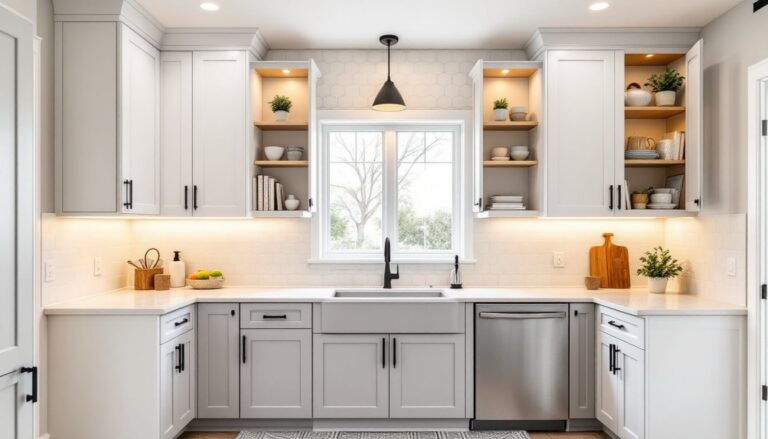


A kitchen renovation is one of the most impactful home improvement projects you can tackle. Whether you’re updating dated cabinetry, improving workflow, or modernizing appliances, the right approach makes the difference between a project that runs smoothly and one that derails. This guide walks you through kitchen renovation advice every homeowner should know, from setting a realistic budget to managing timelines and material choices. You’ll learn how to prioritize upgrades that deliver the most value, plan a layout that works, and avoid the pitfalls that derail most DIY kitchen reno projects.
Key Takeaways
- Set a realistic budget for your kitchen renovation and allocate approximately 30% to cabinetry, 20% to appliances, 15% to countertops, 15% to flooring, and reserve 10–20% as a contingency buffer for unexpected issues.
- Plan an efficient kitchen layout around the work triangle (sink, stove, refrigerator) with a combined distance of 15–26 feet to minimize daily cooking frustration and improve workflow.
- Choose durable materials suited to kitchen demands: opt for quartz or sealed granite countertops, plywood-based cabinetry with quality hinges, and moisture-resistant flooring like tile or vinyl plank instead of solid hardwood.
- Invest in ENERGY STAR certified appliances and proper lighting—task lighting under cabinets, ambient overhead lighting, and accent lighting—to combine functionality with modern aesthetics.
- Prepare for a kitchen renovation timeline of 6–12 weeks with a contractor or longer for DIY projects, and build in contingency plans for disruptions, permit requirements, and common surprises like rotted subfloors or outdated wiring.
- Maximize storage and organization through vertical solutions, drawer dividers, pull-out shelves, and corner carousels to keep countertops clear and improve the usability of your renovated kitchen.
Set Your Budget and Prioritize Your Goals
Before you swing a hammer or order a single cabinet, establish a realistic budget and decide what matters most. Kitchen budgets vary wildly, a paint-and-hardware refresh might run $2,000–$5,000, while a full gut renovation can hit $50,000 or more depending on your region and material choices.
Start by listing your non-negotiables. Are you fixing a leaky faucet and outdated layout, or replacing everything? Distinguish between cosmetic updates (paint, hardware, lighting) and structural work that requires permits, inspections, and possibly licensed professionals (electrical, plumbing, gas lines). Most jurisdictions require permits for any work affecting utilities or load-bearing walls, so check your local building department early.
Allocate roughly 30% of your budget to cabinetry, 20% to appliances, 15% to countertops, 15% to flooring, and the remaining 20% to lighting, plumbing fixtures, labor, and contingencies. That contingency buffer, typically 10–20% of your total budget, is critical. Projects always encounter hidden issues: rotted subfloors, outdated wiring, or structural surprises behind walls. Resources like reducing kitchen renovation costs offer practical strategies for allocating funds wisely and knowing where corners can be cut without sacrificing function.
Plan Your Layout and Workflow
The kitchen work triangle, the path between sink, stove, and refrigerator, remains the foundation of efficient kitchen design. Ideally, the combined distance of these three points should be 15–26 feet. A cramped or awkwardly arranged triangle forces you to walk extra steps, making daily cooking frustrating.
Sketch your current layout on graph paper (1/4 inch = 1 foot is standard), marking existing plumbing, electrical outlets, and windows. Note which walls are exterior (affecting insulation) and which are load-bearing (affecting your ability to remove them). If you’re considering moving major appliances or the sink, factor in plumbing and electrical runs, relocating a sink can double or triple its cost due to new water supply and drain lines.
Consider your household’s actual workflow. Do you have multiple cooks? Do you need a second prep sink? Is a kitchen island essential, or does it clutter the space? Open shelving looks great on Instagram but works best if you have the discipline to keep it organized. Galley kitchens (one wall facing another) are efficient for single cooks but tight for multiple people. L-shaped or U-shaped layouts offer more counter space and accommodate several people comfortably. Measure doorway widths, ceiling height, and appliance clearances: a standard refrigerator door swings about 2 feet, so it needs clearance to open without hitting an island or cabinet.
Choose Durable Materials and Finishes
Kitchens endure heat, moisture, spills, and heavy use, materials must be durable, functional, and aligned with your budget. Countertops range from budget-friendly laminate ($10–$20 per linear foot installed) to premium solid surface or natural stone ($30–$150+). Laminate holds up well if you avoid prolonged heat exposure and use a cutting board. Butcher block feels warm but requires regular sealing. Granite and quartz are heat and moisture-resistant, though quartz is non-porous and easier to maintain than honed granite, which needs periodic sealing.
Cabinetry typically represents 30% of your budget. Stock cabinetry (off-the-shelf, standard sizes) is the most economical. Semi-custom offers more flexibility in depth and finish. Full custom is pricey but fits unusual spaces perfectly. Look at hinge quality, soft-close mechanisms, and interior organization, cheap hinges sag within a few years, and shallow shelves waste usable space. Plywood box construction outlasts particleboard, especially in humid kitchens.
Flooring must withstand moisture and heavy traffic. Tile, vinyl plank, and sealed concrete work well. Engineered hardwood performs better than solid hardwood in kitchens due to moisture resistance, though it still requires vigilance against standing water. Grout in tile flooring should be sealed: unsealed grout stains and deteriorates. Avoid solid hardwood directly next to the sink or dishwasher, water damage is inevitable. Sources like The Kitchn provide detailed reviews of kitchen materials and real-world performance data.
Upgrade Appliances and Lighting
Appliances anchor your kitchen’s functionality and aesthetic. If your budget allows, invest in ENERGY STAR certified models, they cost more upfront but lower utility bills over time and often qualify for rebates. A new refrigerator runs $1,500–$3,000: a gas range, $1,000–$3,000: a dishwasher, $600–$2,000. These prices vary by size, finish (stainless steel vs. black), and features.
Measure your current appliance openings carefully. Refrigerators come in standard widths (usually 35–36 inches), but counter-depth models (24 inches front-to-back) save space and look more integrated, though they offer less interior volume. If replacing an electric range with gas, you’ll need a gas line: running one costs $300–$800+ depending on distance. Ensure your kitchen’s electrical panel has capacity for new appliances: older homes often need a panel upgrade ($1,500–$3,000) before adding a new dishwasher or electric cooktop.
Lighting transforms both function and atmosphere. Task lighting under upper cabinets eliminates shadows during food prep, LED strips are inexpensive and durable. Ambient overhead lighting, ideally on a dimmer, works for general use. Accent lighting, like display shelving, adds visual interest. Most kitchens need 3–5 footcandles per square foot for ambient light and 5–10 for task areas. Recessed lights over an island and pendant lights for focused areas balance appearance and utility.
Maximize Storage and Organization
A well-organized kitchen makes cooking easier and keeps countertops clear. Start by auditing what you actually store, pots, pans, dishes, appliances, food, cleaning supplies. Vertical storage saves space: tall cabinets with pull-out shelves beat shallow open shelving for accessibility and dust prevention.
Drawer dividers, lazy Susans (spinning corner cabinets), and pull-out spice racks transform dead space into useful storage. A corner base cabinet with a pull-out carousel (often called a “Lazy Susan”) costs $150–$400 but makes that typically wasted corner functional. Measure your small appliances before ordering cabinets, a stand mixer or instant pot needs adequate headroom and ventilation if left on the counter.
Consider a pantry if space allows. Even a shallow reach-in pantry (24 inches deep, a few feet wide) organizes dry goods and reduces visual clutter. Open shelving works for frequently used items but collects dust on dishes and glassware. Glass cabinet fronts show off dishware but require regular cleaning. Solid door cabinets hide mess and protect contents from grease and steam. Plan at least 50–70 linear feet of usable cabinet storage for a family of four: if you’re remodeling a galley kitchen, prioritize vertical storage and built-in organizers to maximize every inch.
Manage Timelines and Expect the Unexpected
A modest DIY kitchen reno (paint, hardware, lighting) might take 2–3 weekends. A full kitchen renovation, even with a contractor, typically runs 6–12 weeks, longer if structural work, plumbing relocation, or electrical upgrades are needed. If you’re doing the work yourself, add 50% to contractor timelines: unforeseen issues eat time quickly.
Prepare for disruptions. You’ll be without your kitchen for weeks, so stock paper plates, have takeout options, or set up a temporary cooking area in another room. Dust and noise are inevitable, seal off your kitchen with plastic sheeting and duct tape to contain mess. Protect hardwood floors in adjoining rooms with rosin paper and plywood.
Common surprises include outdated or insufficient electrical wiring, rotted subfloors hidden under cabinets, plumbing in unexpected locations, and asbestos in older adhesives or flooring (which requires certified removal). If a project requires structural changes, electrical work beyond simple outlet installation, or gas line relocation, hire a licensed professional, codes exist for safety, and inspectors catch violations. Budget for permit fees (typically $100–$500 depending on your jurisdiction) and inspection costs. Resources like kitchen remodeling planning outline realistic timelines and decision trees for phased renovations if budget and time are tight.
Conclusion
A successful kitchen renovation starts with honest assessment of your budget, goals, and timeline. Prioritize what truly matters, workflow efficiency, durability, and functionality should guide your choices more than trend-chasing finishes. Plan thoroughly, respect building codes and permit requirements, and build in contingency funds for surprises. Whether you’re tackling a full diy kitchen renovation or a targeted update, these fundamentals keep the project on track and deliver a kitchen you’ll enjoy using for years.