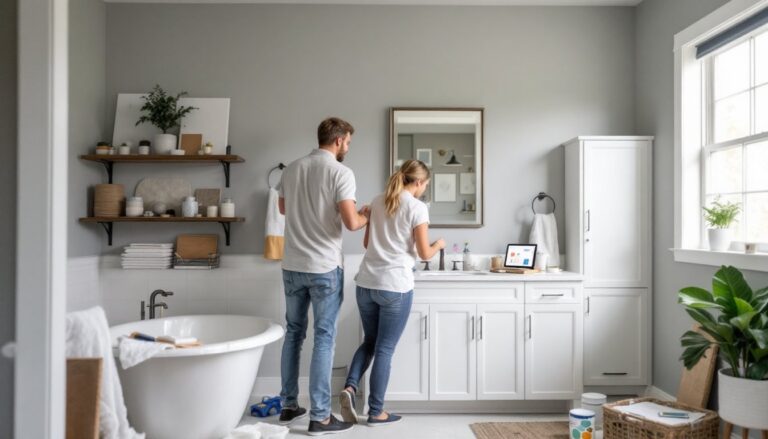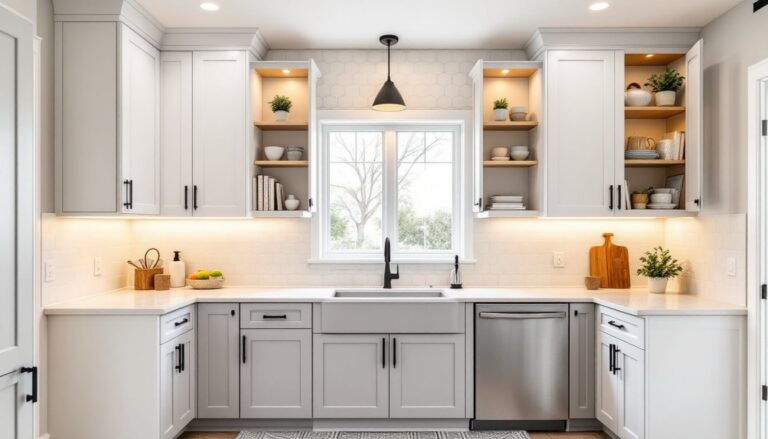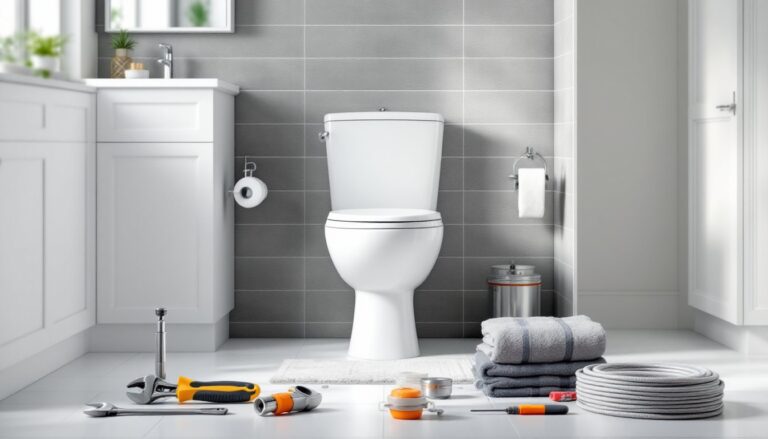

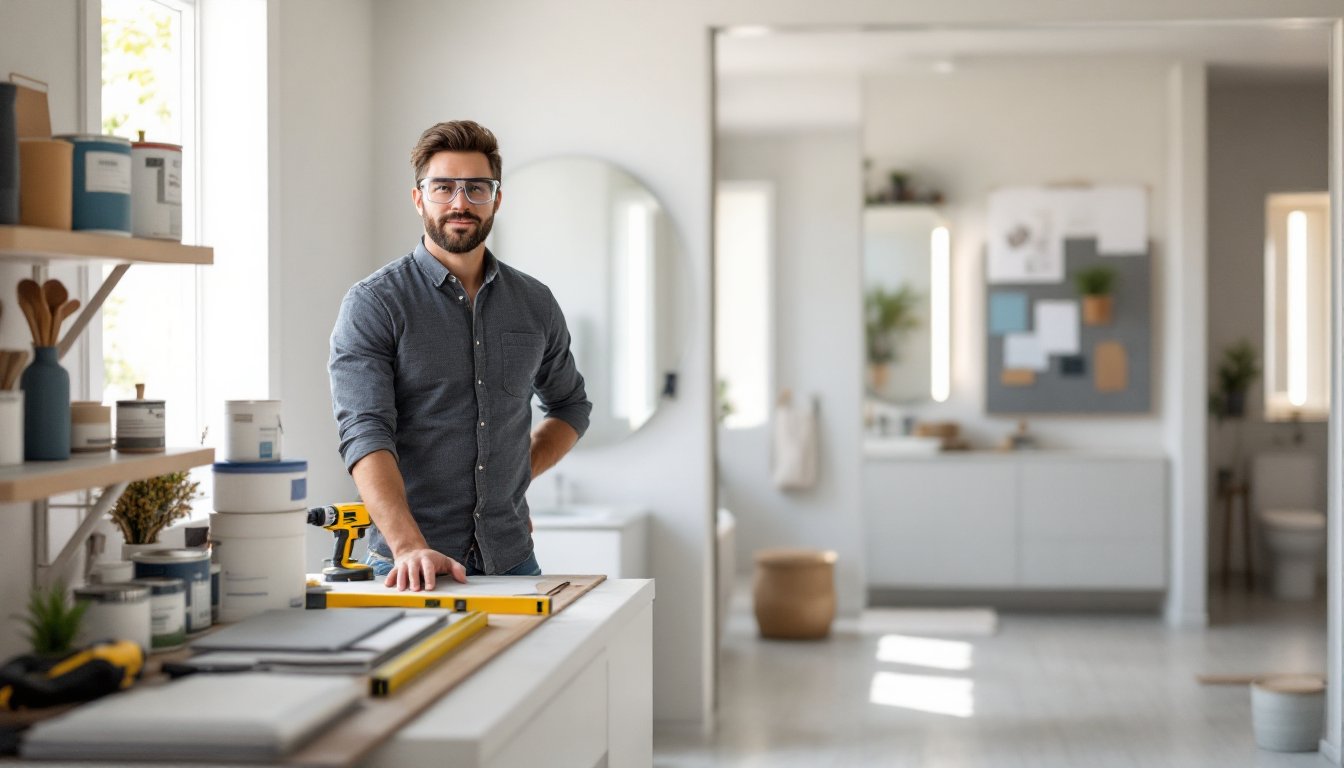
A bathroom redo doesn’t require a contractor’s budget or months of disruption. Whether you’re refreshing dated fixtures, retiling floors, or simply updating paint and hardware, a DIY bathroom renovation is entirely doable for homeowners willing to plan carefully and work methodically. The key is knowing which projects you can tackle yourself and which might need professional help. In 2026, more homeowners are reclaiming control of their bathroom remodels, and the results are often stunning. This guide walks you through planning, materials, techniques, and common pitfalls to help you execute a successful DIY bathroom reno without cutting corners on quality or safety.
Key Takeaways
- A DIY bathroom redo is entirely achievable for homeowners with careful planning, realistic budgeting, and knowledge of which projects require professional help like plumbing and electrical work.
- Proper prep work—measuring twice, sealing the workspace, and cleaning surfaces thoroughly—prevents costly mistakes and ensures paint, tile, and flooring perform well long-term.
- Essential tools like a cordless drill, tile cutter, level, and safety gear, combined with quality materials organized by project phase, form the foundation of a successful bathroom renovation.
- Budget-friendly updates such as fresh paint, new lighting, statement mirrors, and hardware swaps deliver significant visual impact for modest costs without structural work.
- Respecting moisture barriers, ventilation requirements, and local building codes protects your home from hidden water damage and ensures compliance for future home sales.
Planning Your Bathroom Renovation: Budget and Design Essentials
Before you swing a hammer, set a realistic budget and design scope. Start by photographing your current bathroom from multiple angles and measuring everything, wall lengths, ceiling height, fixture locations, and window placement. A bathroom renovation doesn’t require a contractor’s budget or six-month timeline with solid planning. Sketch a layout (even a rough pencil drawing works) and identify what stays and what goes: are you keeping the toilet and tub, or replacing them? Are walls load-bearing or simple framing?
Create a materials list organized by phase: demolition, plumbing prep, flooring, wall surfaces, fixtures, and finishing. Research local building codes, some jurisdictions require permits for electrical work, plumbing changes, or structural alterations. Many DIY bathroom renovations skip permits to save money, but that creates liability and complicates future home sales. If you’re moving outlets, replacing the vent fan, or removing walls, check your local requirements.
Set a contingency budget of 15–20% for surprises: hidden water damage, outdated wiring, or materials that cost more than expected. Material prices fluctuate, and regional costs vary significantly. A budget that works in rural areas may fall short in urban centers.
Essential Tools and Materials You’ll Need
A successful DIY bathroom redo requires specific tools. You don’t need professional-grade equipment, but quality matters, cheap drill bits snap, dull saws tear tile, and wobbly ladders cause accidents.
Essential Tool List:
• Cordless drill/driver (18V minimum, with bits and driver heads)
• Circular saw or miter saw (for tile, trim, and vanity work)
• Pry bar and hammer (demolition)
• Adjustable wrench set and screwdrivers (plumbing and fixture swap)
• Level (2–4 feet, for wall and floor checks)
• Tape measure and pencil
• Grout float and notched trowel (if tiling)
• Caulk gun (silicone and acrylic)
• Oscillating multi-tool (cutting around pipes, finish work)
• Rubber mallet and tile cutter (for tile projects)
• Safety gear: goggles, dust mask, work gloves, ear protection
Core Materials by Phase:
Demolition and prep: Drop cloths, contractor bags, putty knives, drywall compound.
Flooring: Underlayment (if upgrading to vinyl, tile, or laminate), adhesive or mortar, grout, sealant.
Wall surfaces: Drywall, joint compound, primer, paint, tile (if desired), backsplash trim.
Fixtures: Faucet, showerhead, toilet bowl, vanity or pedestal sink, hardware.
Finishing: Caulk, grout sealant, paint, cabinet hardware, mirrors, shelving.
Buy materials in stages to avoid waste. Once you measure and confirm, purchase flooring and tile in full, you don’t want color or dye-lot mismatches from split orders.
Tackling the Big Projects: Flooring, Fixtures, and Paint
Updating Flooring and Wall Surfaces
Flooring is the foundation of any bathroom redo. Begin by removing the existing flooring, this is messy work that requires a dust mask and goggles. Pry up tile or vinyl, scrape adhesive, and check the subfloor for rot or damage. If the subfloor sags, bounces, or feels soft, you have a moisture problem that must be resolved before new flooring goes down. Replace damaged sections with nominal 3/4-inch exterior-grade plywood fastened with corrosion-resistant screws.
For vinyl plank or laminate, install 1/4-inch underlayment (cork or felt-backed types resist moisture better than thin rolls). Let materials acclimate to the bathroom’s humidity for 48 hours before installation, this prevents buckling or gaps later.
Tile requires a different approach. Use a 1/4-inch notched trowel to apply thin-set mortar (not drywall compound, mortar bonds tile properly and resists moisture). Lay tiles with spacers, check level frequently, and grout within 24 hours using unsanded grout for joints under 1/8 inch. Seal grout after it cures (usually 72 hours) to prevent stains and mold.
Walls benefit from a fresh coat of paint after minor repairs. Use semi-gloss or satin-finish bathroom paint (eggshell dulls quickly in humid rooms). Prime first, especially over old water stains or dark colors. Two coats ensure even coverage. For a bolder update, consider moisture-resistant wallpaper or peel-and-stick tiles on an accent wall, these require clean, dry surfaces and cost a fraction of full tile work.
Replacing Fixtures and Hardware
Swapping a faucet is straightforward and hugely impactful. Turn off water at the shutoff valves under the sink. Unscrew the old faucet (usually two bolts), disconnect supply lines (expect residual water), and lift it out. Install the new faucet following the manufacturer’s instructions, most sit on rubber washers and are secured from below. Use plumber’s tape (PTFE tape) on threaded connections to prevent leaks. Hand-tighten first, then snug with a wrench: over-tightening strips threads.
Replacing a toilet requires shutting off water, flushing to empty the tank, and unbolting the flange at the base. Lift straight up, toilets are heavy, so get a helper. The old wax ring will stick to the floor: scrape it clean and install a new one under the new toilet before setting it. Modern toilets use bolts on each side of the flange: tighten alternately and evenly, not in sequence (which causes uneven seating).
Vanity or pedestal sinks require similar plumbing logic: shut off water, disconnect supply and drain lines, and unbolts from the wall or floor. A second set of hands prevents cracked porcelain. For vanities, ensure the cabinet is level and secured to wall studs with corrosion-resistant screws.
Swapping hardware, towel bars, hooks, mirrors, and cabinet handles, transforms the look instantly. Fill old holes with spackle or painter’s caulk, let it cure, sand smooth, and prime before painting. New hardware mounts to the same holes if sizes match, or you’ll need to fill and relocate.
One critical note: if you’re moving pipes or adding vents, plumbing code is strict and violations invite inspector rejections and insurance claims. Same with electrical work, new outlets or moving existing ones should follow NEC (National Electrical Code) guidelines. Hire a licensed plumber or electrician for these tasks: it costs less than tearing out walls to fix hidden mistakes.
Budget-Friendly Updates That Make a Big Impact
Not every improvement requires major labor. Paint, lighting, and mirrors offer enormous visual payoff for modest budgets. A fresh coat of quality bathroom paint (semi-gloss or satin finish) costs $30–60 per gallon and covers roughly 350 square feet, one gallon typically finishes most bathrooms.
Lighting is equally powerful. Replace dated ceiling fixtures with modern, moisture-rated LED fixtures (around $50–150 installed). Add sconces on either side of the mirror (another $100–300 for two). These small changes shift the entire ambiance without structural work.
Mirrors catch and amplify light. Upgrade from a small medicine cabinet mirror to a large statement mirror above the sink. Wall-mounted mirrors cost $40–200 depending on frame and size. Hang it at a comfortable height (center usually 48–60 inches above the floor) and secure with mirror brackets or adhesive strips rated for wet environments.
Hardware swaps, cabinet pulls, towel bars, shower caddies, and curtain rods, cost $2–10 per piece and take 15 minutes each to install. The cumulative effect feels like a complete refresh. For a full list of budget-friendly updates with step-by-step guidance, explore bathroom remodel ideas that prioritize impact over expense.
Storage and organization matter too. Add floating shelves above the toilet (simple L-brackets and trim), use wall hooks for robes, and invest in matching bins or baskets. These changes cost under $100 and make daily life easier.
Common Mistakes to Avoid During Your DIY Bathroom Remodel
Most DIY bathroom remodel failures stem from skipped prep work, not technique. Demolition dust will settle everywhere, seal doorways with plastic sheeting and duct tape. Underestimate mess at your peril.
Skipping surface prep ruins paint, tile, and flooring. Old paint must be sanded or removed before repainting: tile adhesive must be scrubbed away before new flooring: rust and mineral deposits must be cleaned before caulking. It’s tedious and feels wasteful, but shortcuts show within months.
Measuring once is how mistakes happen. Measure twice, photograph reference points, and verify again before cutting or ordering. A vanity that’s off by an inch ruins cabinet fit. Tile that’s miscalculated leaves you short mid-project.
Ignoring moisture and ventilation causes hidden rot. Always vent bathroom exhaust outside, not into an attic or crawlspace. Use moisture-resistant drywall (green board or cement board) in shower areas, not standard drywall. Caulk all seams in showers and tubs, grout alone doesn’t waterproof.
Underestimating time is a perennial mistake. Grouting tile takes longer than spreading it. Paint needs primer plus two coats. Fixtures require careful plumbing hookups. A realistic timeline prevents burnout and half-finished bathrooms.
Finally, don’t ignore permits or code requirements. A complete bathroom remodel guide covers planning and material selection, but always check local regulations before breaking ground. Structural work, electrical upgrades, and plumbing modifications almost always require inspection, and that’s not a loophole to skip, it’s a protection for your home and wallet.