
A DIY shower remodel is one of the most rewarding home improvement projects a homeowner can tackle. Unlike a full bathroom renovation, focusing specifically on the shower lets you allocate your budget and sweat equity where they matter most, creating a functional, beautiful focal point in your bathroom. Whether you’re upgrading from a dated enclosure, fixing water damage, or simply refreshing the look and feel, a DIY shower reno doesn’t require hiring a contractor. This guide walks through planning, waterproofing, demolition, installation, and finishing touches so you can transform your shower with confidence and avoid costly mistakes down the road.
Key Takeaways
- A DIY shower remodel typically costs $1,500–$5,000 and requires careful planning of layout, materials, and local code compliance before starting any work.
- Waterproofing is critical to prevent mold, rot, and structural damage; use a quality shower pan, waterproofing membrane, and epoxy grout for maximum protection.
- Proper demolition requires safety equipment and careful inspection for asbestos in older showers, followed by assessment of framing and substrate damage before moving forward.
- Start tiling from the bottom up using thin-set mortar with appropriately sized notches, maintain uniform grout joints, and allow 24 hours cure time before grouting.
- Always test your completed shower for leaks by filling the pan for 24 hours and checking for water intrusion before considering the DIY shower remodel finished.
- Hire licensed professionals for rough-in plumbing, drain relocation, and complex structural work to ensure code compliance and avoid costly mistakes.
Planning Your Shower Remodel: Cost, Size, and Design
Before swinging a hammer, spend time on the front end. Measure your shower space carefully, note the actual wall width, depth, and ceiling height. Check for any structural issues, water damage, or code requirements in your jurisdiction. Most shower enclosures must comply with the International Building Code (IRC), which specifies minimum sizing (typically 30 inches wide by 30 inches deep for a stall) and grab bar placement for safety.
Set a realistic budget. A DIY bathroom remodel on the shower alone typically runs $1,500–$5,000 depending on materials and complexity. Factor in tile, fixtures, waterproofing products, tools you don’t own, and contingency for surprises, water damage behind old tile is common. Sketch your layout, decide if you’re keeping the existing pan or installing a new one, and choose your tile style, grout type, and finishes.
Think about functionality. Larger subway tiles are forgiving and faster to install than tiny mosaics. Porcelain holds up better than natural stone in wet environments. Plan your plumbing run, if moving the drain or supply lines, this may require permits and professional help. Check local codes: some jurisdictions require licensed plumbers for new rough-in work.
Waterproofing Methods and Shower Pan Options
Waterproofing is non-negotiable. Water intrusion causes mold, rot, and structural damage, cutting corners here costs thousands later. Your shower pan (the base) is the primary defense. Options include:
Preformed acrylic or fiberglass pans are budget-friendly, fast to install, and forgiving for beginners. They’re one-piece or modular, sit on a bed of mortar, and integrate walls or work standalone.
Solid surface materials like cultured marble cost more but resist wear and look cleaner longer.
Tile-over pans use a sloped concrete or mud base under tile. This is trickier, the pan must slope 1/4 inch per linear foot toward the drain to prevent pooling. Many DIYers hire this part out.
Linear or point drains matter too. A center point drain (traditional) works fine if slopes are correct. Linear drains (along one wall) are trendy and more forgiving on slope.
For waterproofing the walls, use a schluter-systems or similar membrane behind tile. Liquid waterproofing membranes, applied with a roller, work well too, brands like Aqua Defense or Noble are reliable. Let them cure fully per manufacturer specs (often 24 hours). Don’t skip the waterproofing: it’s cheap insurance. Finally, use epoxy grout in wet areas: it resists mold and mildew better than standard cement grout.
Preparing and Demolishing Your Old Shower
Demo is dusty and loud. Wear NIOSH-rated N95 or N100 masks, safety glasses, and work gloves, asbestos was common in old tile and adhesive, so older showers may need a professional asbestos test before you touch anything. Turn off water supply to the shower valve first.
Remove tile with a grout saw or oscillating multi-tool fitted with a tile blade. Chip away grout between tiles, then pry out tile with a flat chisel and hammer. Work methodically: rushing shatters tile into sharp pieces. Bag debris in heavy plastic and dispose properly.
Once tile is gone, remove the old pan (usually fastened with adhesive and nails). Use a circular saw or reciprocating saw to cut away the pan in sections if needed. Pull out any old substrate, mortar, and debris down to the studs or concrete base.
Inspect framing and substrate carefully. If studs or blocking are soft, dark, or smell musty, there’s rot, replace them. You may need to rebuild the wall frame or install new substrate like cement board or DensShield (a paper-faced gypsum core, more water-resistant than standard drywall). Check that your wall framing is plumb and square: fixing it now saves misaligned tile later.
Installing Walls, Tiles, and Finishing Elements
Prepare the substrate by fastening cement board to studs with corrosion-resistant screws (not nails, they pop in moisture). Tape seams and corners with alkaline-resistant mesh tape and thin-set mortar, not drywall joint compound.
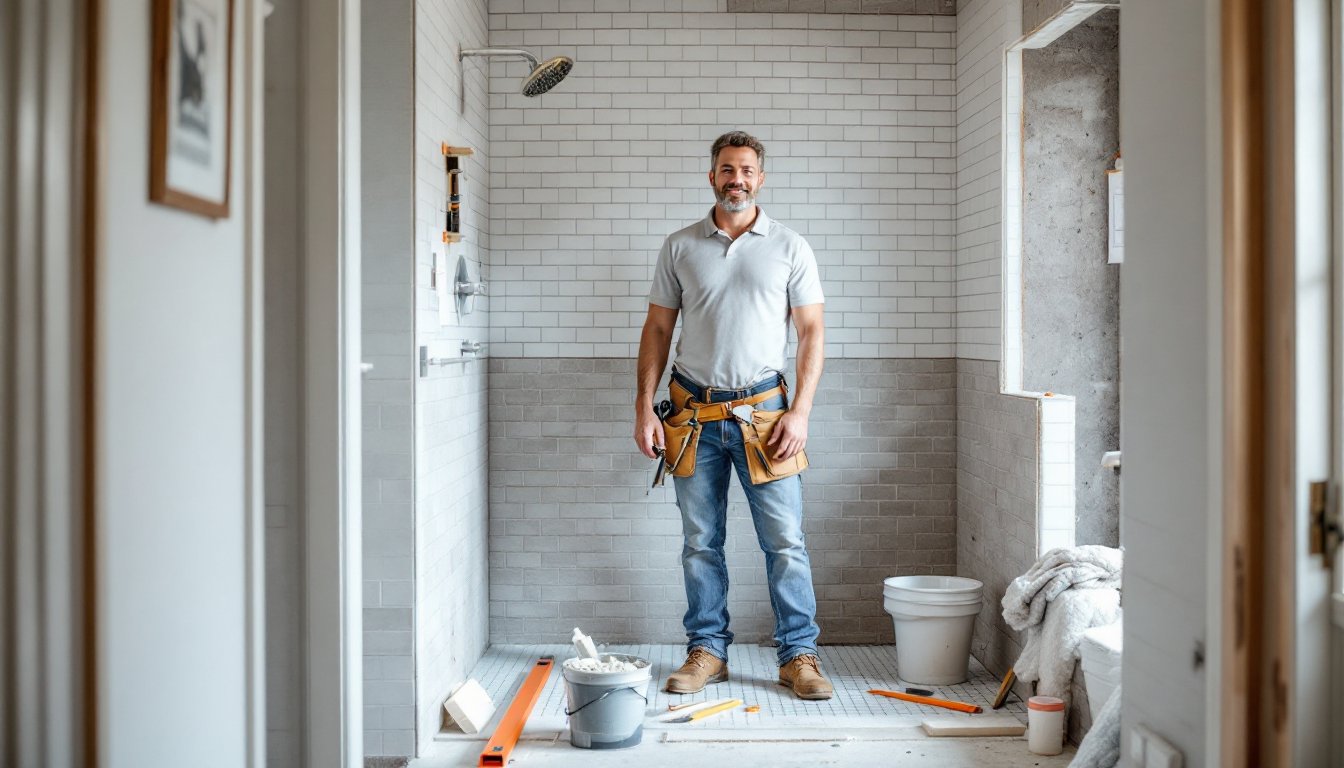
Begin tiling from the bottom up. Spread a thin-set mortar (a cement-based adhesive) with a notched trowel, size depends on tile (typically 1/4 inch by 3/8 inch notches for small tiles, 1/2 inch for larger ones). Press each tile firmly, checking level and plumb as you go. Use spacers to keep grout joints uniform (usually 1/16 inch to 1/4 inch depending on look). Let mortar cure 24 hours before grouting.
Grout fills gaps between tiles and seals them. Mix epoxy grout per instructions, it’s stronger and more stain-resistant than polymer or cement grout. Apply grout with a rubber grout float at a 45-degree angle, pressing grout into joints. After 10–15 minutes (check packaging), wipe excess grout with a damp sponge before it hardens. Let cure 48–72 hours.
Seal grout afterward with a penetrating sealer, epoxy may not need it, but standard grout does. Install trim (bullnose, edge trim, or corner guards) to finished edges. Caulk (not grout) corners and where tile meets the pan to allow for movement and prevent cracks.
Selecting Fixtures, Drains, and Hardware
Your shower valve, showerhead, and drain shape daily use. The rough-in valve (the supply lines and valve body behind the wall) must be installed before tiling. If you’re replacing an existing one, a plumber is often worth the fee to avoid leaks. If you’re confident with plumbing and local codes allow it, use PEX tubing (flexible, durable) with appropriate fittings, and test pressure before walls are closed.
Showerhead quality varies widely. A delta or moen valve with a pressure-balancing or thermostatic cartridge costs more but prevents scalding and temperature fluctuation. Cheap valves often stick or fail within years. Match the showerhead finish to your trim (chrome, brushed nickel, matte black, etc.) for a cohesive look.
For the drain, a 2-inch brass or ABS drain assembly with a strainer sits below the pan and connects to the home’s main drain line. If you’re moving the drain location, this is definitely a licensed plumber’s job in most jurisdictions. Escutcheons (trim rings) and drain baskets are replaceable later, don’t cheap out on the valve internals.
Testing and Final Touches for a Professional Finish
Before declaring victory, test for leaks. Fill the shower pan with water and let it sit for 24 hours. Check underneath (or in the floor below) for drips. If you spot leaks, identify the source, often a crack in grout or a joint that wasn’t sealed properly. Small pinhole leaks in grout can be re-caulked: larger issues may need a membrane repair or drain adjustment.
Once water-tight, turn on the valve and run water through the showerhead and trim. Test pressure balance and temperature. Listen for any unusual sounds in the walls (whistle, rattle) that might indicate loose pipes. Check that water doesn’t pool anywhere on the pan’s surface.
For finishing touches, install a shower door or curtain rod, then add accessories. A DIY bathroom reno is often just the shower, but the overall bathroom feel improves when you coordinate fixtures. Caulk any visible seams with silicone caulk (paintable, flexible, mold-resistant). Touch up grout if needed. Step back and enjoy your work. A well-executed DIY shower remodel adds real value and is something you’ll appreciate every single day.
Conclusion
A DIY shower remodel is manageable if you invest time in planning, don’t skip waterproofing, and respect structural or plumbing code limits. Tackle demo, framing, tile, and finishes yourself: hire licensed pros for rough-in plumbing or complex structural work. A complete DIY bathroom remodel involves more moving parts, but this focused shower reno approach lets you build confidence and enjoy tangible results within weeks. Start with solid prep, follow best practices for waterproofing and tile, and test thoroughly before you’re done. Your shower will serve you well for years to come.