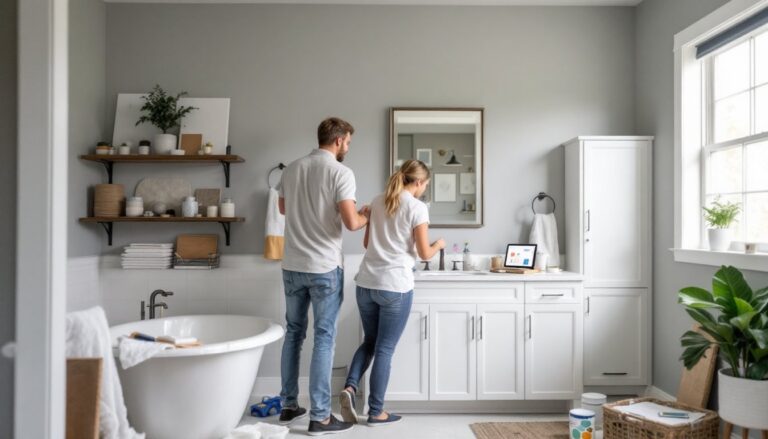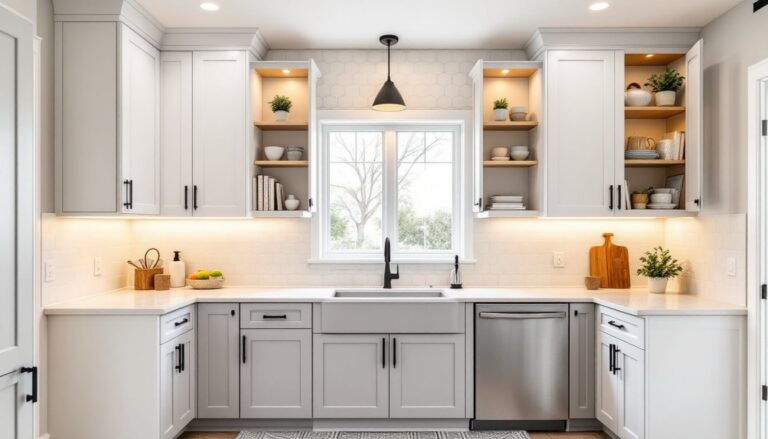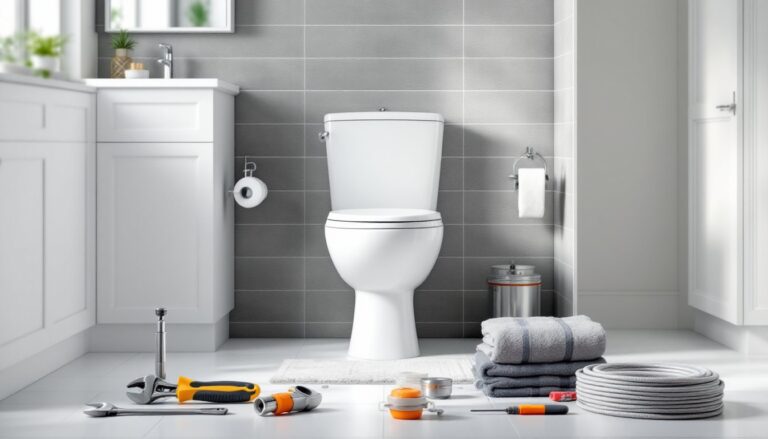

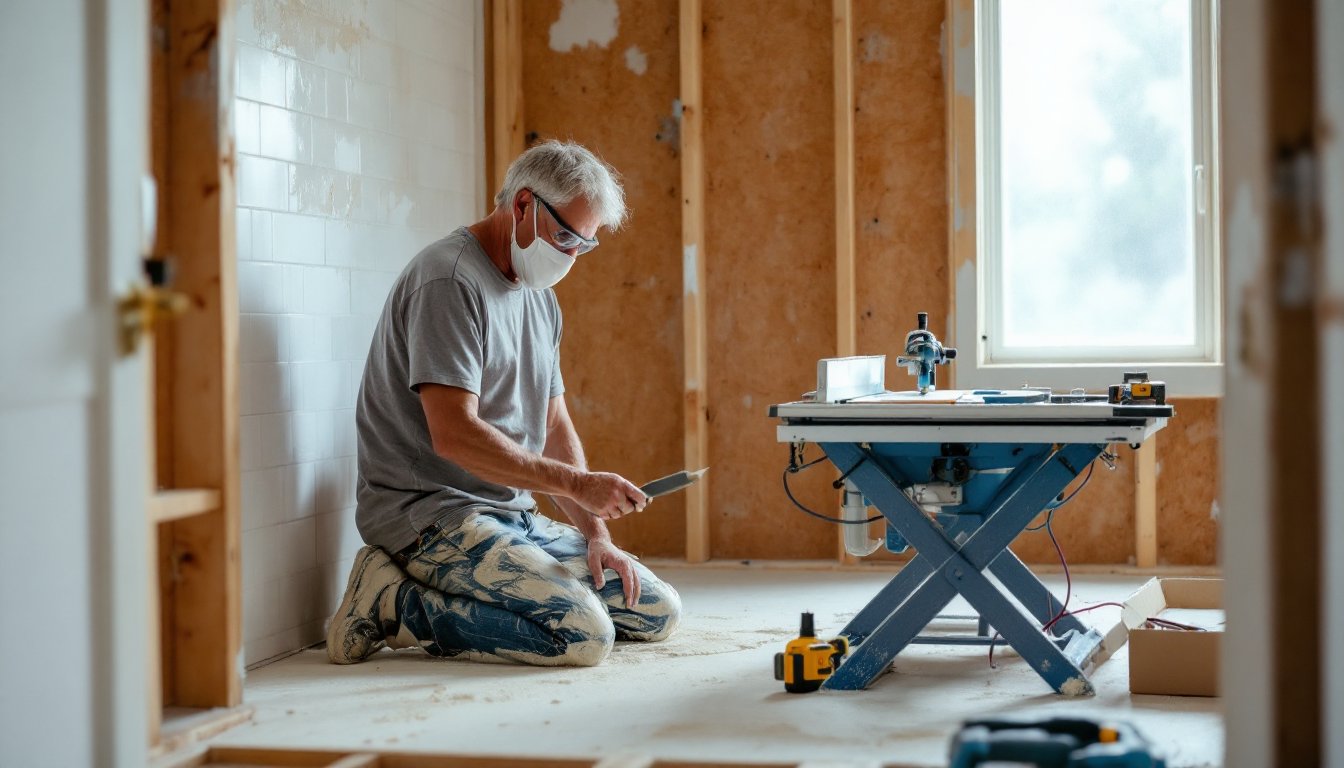
Tackling a DIY bathroom remodel is one of the most rewarding home improvement projects a homeowner can take on. Unlike replacing an entire kitchen, a bathroom remodel steps through manageable phases, from demo to tile to fixtures, and doesn’t require professional contractors for every task. With careful planning, the right tools, and a realistic timeline, anyone comfortable with basic carpentry and plumbing can transform a dated bathroom into a modern, functional space. This guide walks through the entire do it yourself bathroom remodel process, from budgeting and material selection to step-by-step execution and common pitfalls to avoid.
Key Takeaways
- A DIY bathroom remodel typically costs $3,000 to $8,000 for a small space and takes 2–4 weeks when working evenings and weekends, with proper planning preventing budget overruns and delays.
- The highest-impact updates—vanity replacement, tile work, and lighting upgrades—transform a bathroom’s appearance without requiring a full gut renovation.
- Proper waterproofing, backer board installation, and subfloor preparation are critical steps that prevent costly mold and structural damage in your bathroom remodel.
- Securing local building permits ($50–$200) before moving plumbing or electrical lines ensures your DIY bathroom renovation meets safety codes and passes inspections.
- Essential tools include a reciprocating saw, tile wet saw (rent for $40–$60/day), notched trowels, and safety gear—investing in the right equipment eliminates mid-project delays.
- Testing plumbing and electrical with walls open, using proper grout curing times, and avoiding common mistakes like undersized exhaust fans and wrong tile types ensures a professional-looking result.
Planning Your DIY Bathroom Remodel
Before swinging a hammer, map out the scope, budget, and timeline for the bathroom renovation steps. Skipping this phase is the fastest way to blow past costs and drag a three-week project into three months.
Setting a Realistic Budget and Timeline
A full DIY bathroom remodel typically costs $3,000 to $8,000 for a 5×8-foot space, depending on material quality and whether plumbing or electrical lines need relocation. That estimate assumes the homeowner handles demo, tile work, painting, and fixture installation. If hiring out any task, like moving a toilet drain or running new circuits, add $500 to $2,000 per trade.
Break the budget into categories:
- Fixtures (toilet, vanity, sink, tub/shower): 30–40%
- Tile and flooring: 20–25%
- Lighting and electrical: 10–15%
- Paint, trim, and finishing: 10–15%
- Tools and consumables: 10–15%
Timeline-wise, plan for two to four weeks if working evenings and weekends. A full gut takes one to two days, plumbing and electrical rough-in another two to three days, tile and drywall a week, and finishing touches the final few days. Always pad the schedule by 20% for unexpected issues like rotted subfloor or outdated wiring.
Check local building codes early. Most jurisdictions require permits for moving plumbing, altering electrical circuits, or structural changes. A permit costs $50 to $200 and ensures the work meets IRC and NEC standards.
Essential Tools and Materials You’ll Need
Having the right tools on hand eliminates mid-project hardware store runs and keeps momentum going.
Core power tools:
- Reciprocating saw for demo (cutting through drywall, old piping, and trim)
- Circular saw or miter saw for trimming underlayment and baseboard
- Drill/driver set with bits for tile, wood, and metal
- Oscillating multi-tool for cutting grout, caulk, and tight spaces
Hand tools and specialty items:
- Pry bar, hammer, utility knife
- Tile wet saw (rent for $40–$60/day if not buying)
- Notched trowel (¼” × ¼” square notch for wall tile, ½” × ½” for floor)
- Grout float, tile spacers, level (4-foot and torpedo)
- PEX crimper or SharkBite fittings if updating supply lines
- Basin wrench for tight under-sink work
Safety gear (non-negotiable):
- Safety goggles, dust mask or respirator, work gloves, knee pads, and ear protection
Materials checklist:
- Cement backer board (½” HardieBacker or similar) for wet areas
- Thinset mortar and grout (unsanded for joints <⅛”, sanded for wider)
- Waterproofing membrane (RedGard or Kerdi)
- Drywall (½” moisture-resistant for ceiling and non-wet walls)
- PEX or copper supply lines, PVC drain fittings
- Primer and moisture-resistant paint (bathroom-rated latex or acrylic)
Buy 10–15% extra tile to account for cuts and future repairs.
High-Impact Updates That Transform Your Space
Not every remodel requires gutting to the studs. Prioritize updates that deliver the biggest visual and functional gains.
Vanity and sink replacement is the single highest-impact change. Swapping a builder-grade 24″ particleboard vanity for a 36″ solid-wood or plywood unit with soft-close drawers instantly modernizes the space. Pair it with an undermount or vessel sink and a modern faucet (single-handle or widespread depending on sink holes).
Tile work transforms walls and floors. White 3×6 subway tile in a running bond or herringbone pattern remains timeless, while hexagon or large-format porcelain (12×24 or larger) feels contemporary. For floors, choose porcelain or ceramic rated for wet areas (COF rating ≥0.42). Skip natural stone unless the homeowner is prepared for ongoing sealing.
Lighting upgrades improve function and ambiance. Replace a single overhead dome with recessed LED cans (4″ or 6″ new-construction housings if opening the ceiling) and a vanity light bar with multiple bulbs for even, shadow-free task lighting. Aim for 75–100 lumens per square foot in a bathroom.
Paint and trim shouldn’t be an afterthought. Use semi-gloss or satin finish paint formulated for high-moisture environments. Fresh baseboards and crown molding (primed MDF or finger-joint pine) add polish.
For a cohesive look inspired by coastal aesthetics, incorporating soft blues and natural textures can create a serene, spa-like atmosphere.
Step-by-Step: Tackling the Major DIY Tasks
Here’s the logical sequence for bathroom remodel steps, broken into phases.
1. Demo and prep (Days 1–2)
Shut off water at the main or fixture shutoffs. Remove the toilet, vanity, mirror, and light fixtures. Use the reciprocating saw to cut out drywall around the tub or shower if replacing. Pull up old flooring down to the subfloor. Inspect for water damage, mold, or soft spots. Replace any compromised ¾” tongue-and-groove plywood subfloor before proceeding. Wear a dust mask and goggles, demo kicks up decades of grime.
2. Rough-in plumbing and electrical (Days 3–5)
If relocating fixtures, now’s the time. Running new ½” PEX supply lines is beginner-friendly with crimp or SharkBite fittings. For drains, use schedule 40 PVC with proper pitch (¼” per foot for horizontal runs). Many DIY plumbing tutorials offer step-by-step guidance on proper fitting and venting.
For electrical, install GFCI-protected circuits (required within 6 feet of water). Run 12/2 Romex for 20-amp circuits (bathroom receptacles) and 14/2 for lighting if on a separate 15-amp circuit. If unfamiliar with electrical code, hire a licensed electrician, this is not the place to guess.
3. Install backer board and waterproofing (Days 6–7)
Screw ½” cement backer board to studs in the shower/tub area using 1¼” backer board screws every 8 inches. Tape seams with alkali-resistant mesh tape and thinset. Apply a liquid waterproofing membrane over the entire wet area, including seams, corners, and fastener heads. Let cure per manufacturer specs (usually 1–2 hours between coats, 24 hours before tiling).
4. Tile walls and floor (Days 8–12)
Start with walls. Mix thinset to a peanut butter consistency and spread with a notched trowel, back-buttering each tile. Use ⅛” spacers for tight grout lines or 3/16″ for a more forgiving look. Work in small sections (3–4 square feet) so thinset doesn’t skin over. For floor tile, ensure the subfloor is flat (within ⅛” over 10 feet) and use ½” thinset with a larger notch trowel.
Let tiles set 24–48 hours, then grout. Use unsanded grout for wall joints, sanded for floors. Wipe diagonally with a damp sponge to avoid pulling grout from joints. Seal grout after 72 hours with a penetrating sealer.
5. Install fixtures and trim (Days 13–15)
Set the toilet with a new wax ring (or wax-free gasket), connect supply lines, and bolt down. Install the vanity, ensuring it’s level front-to-back and side-to-side (shim if needed). Hook up the faucet and drain assembly before securing the vanity to wall studs with 3″ cabinet screws.
Hang mirrors, install light fixtures, and caulk all seams (tub-to-wall, vanity-to-wall, baseboards) with 100% silicone or latex caulk rated for kitchens and baths.
6. Paint and finishing (Days 16–18)
Prime all new drywall and trim with a stain-blocking primer (especially over joint compound). Apply two coats of bathroom paint. Reinstall switch plates, towel bars, and toilet paper holders.
Common Mistakes to Avoid During Your Bathroom Remodel
Even experienced DIYers make these errors. Learn from them:
Skipping waterproofing. Just because old bathrooms “didn’t have it” doesn’t mean it’s optional. Waterproofing prevents mold and subfloor rot. Always use a membrane in wet zones.
Ignoring subfloor prep. Tile directly over an uneven or weak subfloor leads to cracked grout and loose tiles. The subfloor must be stiff (deflection L/360 or better), flat, and clean.
Undersizing the exhaust fan. A bathroom needs 1 CFM per square foot or a minimum of 50 CFM. An underpowered fan leaves moisture on walls and mirrors, inviting mold. For design strategies and practical installation tips, many home improvement resources provide detailed fan sizing charts.
Choosing the wrong tile. Wall tile (rated for vertical use) isn’t rated for floors. Floor tile must meet slip-resistance standards, especially in wet areas.
Forgetting expansion joints. Where tile meets a different material (tub edge, wall corners), use caulk, not grout. Grout will crack.
Not testing plumbing before closing walls. Run water through all supply lines and drains with the walls open. Fixing a leak behind fresh tile is a nightmare.
Rushing grout. Grouting too soon (before thinset cures) can shift tiles. Grouting too late can let thinset harden in joints, making cleanup difficult.
Conclusion
A DIY bathroom remodel takes time, attention to detail, and a willingness to learn new skills, but it’s entirely achievable for a motivated homeowner. By following proven bathroom renovation steps, investing in the right tools, and respecting the importance of prep work and waterproofing, anyone can create a professional-looking result without contractor pricing. For additional guidance on specific techniques and troubleshooting, the remodeling resource library offers in-depth breakdowns of materials, finishes, and installation methods. Take it one phase at a time, and the finished space will be worth every hour invested.