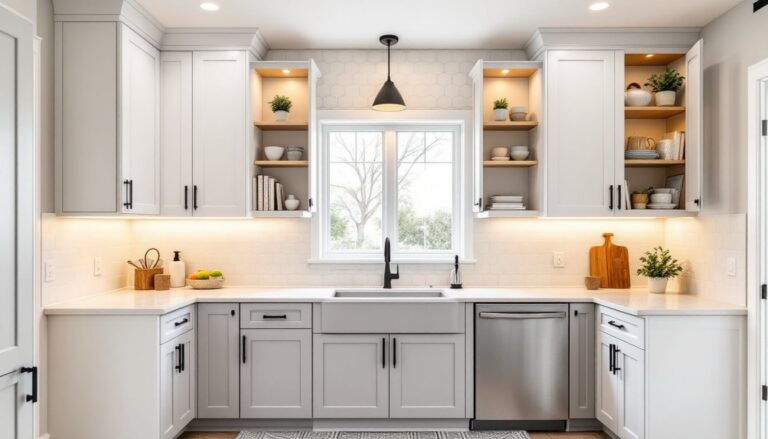

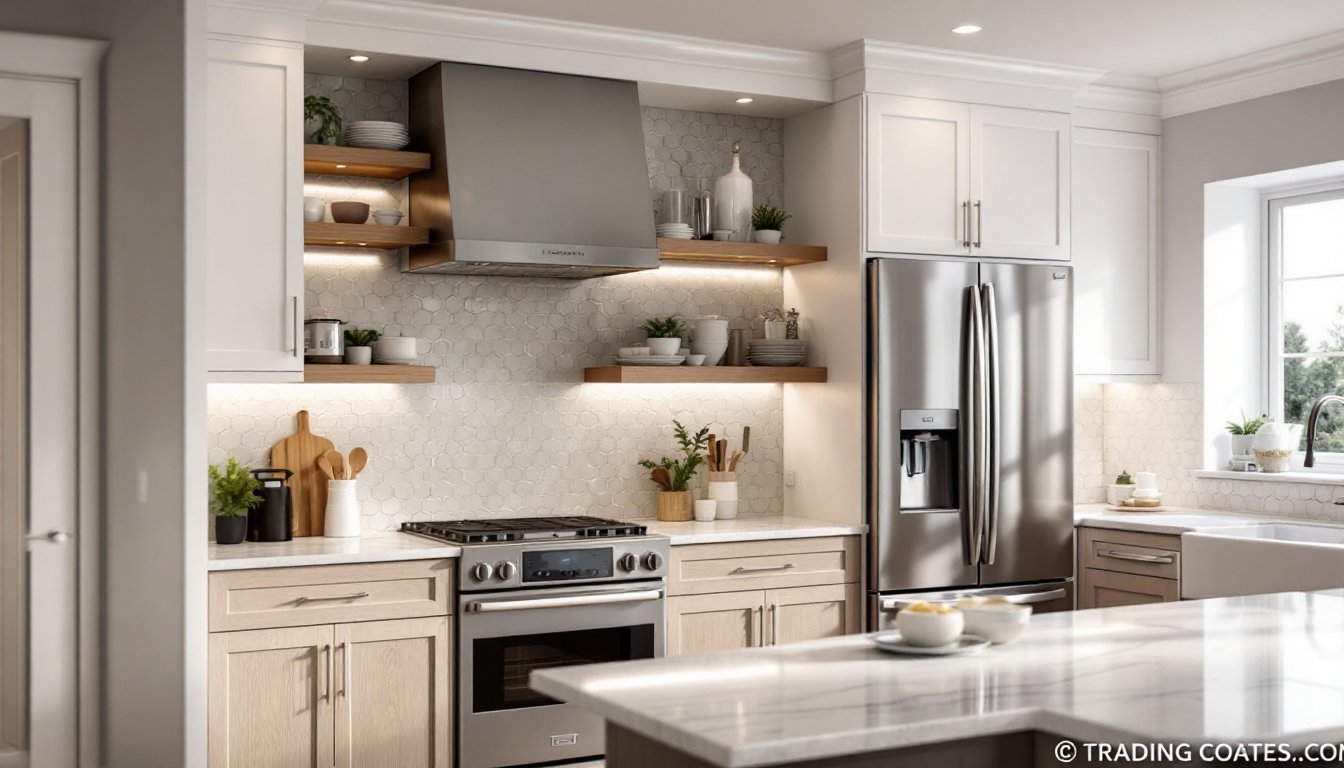
A kitchen remodel is one of the most impactful home improvement projects a homeowner can tackle. Whether you’re planning a full gut renovation or a strategic refresh, the right kitchen remodel tips make the difference between a dream space and a budget disaster. The good news? You don’t need a six-figure budget or a team of contractors to pull it off. With smart planning, realistic expectations, and a willingness to learn what you can do yourself, and more importantly, what you can’t, you’ll create a kitchen that works harder, looks better, and adds genuine value to your home.
Key Takeaways
- Set a realistic kitchen remodel budget by adding a 15–20% contingency fund and breaking expenses into categories like cabinetry, countertops, and appliances to prevent costly overruns.
- Design an efficient kitchen layout using the work triangle principle (sink, stove, refrigerator within 26 feet perimeter) and map existing utilities to avoid expensive relocations.
- Choose timeless, durable materials like quartz countertops, porcelain tile flooring, and neutral cabinetry that resist trends and maintain resale value longer than trendy finishes.
- Layer your lighting with ambient, task, and accent options—including LED under-cabinet lighting—to solve poor visibility, a top homeowner regret in kitchen remodels.
- Maximize storage with pull-out drawers, vertical dividers, and corner organizers, then leave plumbing, electrical, and structural work to licensed professionals while tackling DIY-friendly tasks like painting and backsplash installation.
- Plan your kitchen remodel timeline realistically: 3–6 months for DIY work or 4–8 weeks when hiring professionals for major systems like plumbing and electrical.
Set a Realistic Budget and Prioritize Your Goals
The first rule of any kitchen renovation: know your number before you swing a hammer. Kitchen remodels range wildly, a modest refresh with new paint, hardware, and updated lighting might run $10,000–$25,000, while a mid-range renovation with new cabinets, countertops, and appliances could land at $50,000–$100,000 or higher. A full, high-end remodel with custom cabinetry and premium finishes can easily exceed $150,000.
Your actual cost depends on scope, materials, labor, and your region. The brutal truth: most remodels run 10–15% over budget. Build in a contingency fund of at least 15–20% for unexpected issues (hidden water damage, obsolete plumbing layouts, discovering asbestos in old tile).
Before calculating costs, clarify your priorities. Are you optimizing for resale value, or is this your forever kitchen? Do you need more storage, better workflow, or just aesthetic updates? Write these down. This prevents scope creep, the silent budget killer. When you’re tempted to upgrade to premium handles or add a fancy backsplash, you’ll remember what actually matters.
Break your budget into categories: cabinetry (typically 30–40% of total), countertops (10–15%), flooring (10–15%), appliances (15–20%), plumbing and electrical (10–15%), and labor. This framework keeps spending aligned with your priorities.
Plan Your Layout and Workflow
The kitchen work triangle, the distance between sink, stove, and refrigerator, remains the foundation of efficient kitchen design. Ideally, the perimeter of this triangle should measure 26 feet or less (no more than 9 feet per side). If your triangle is too sprawling, cooking becomes exhausting: too compressed, and you’re bumping elbows.
Draft your layout on paper or use free tools like design software to visualize appliance placement and work zones before you commit to major moves. Measure twice, draw thrice. Note existing utility locations (gas line, electrical outlets, plumbing). Moving these is expensive and disruptive: working with them saves money and headaches.
Consider traffic flow. If someone can’t walk from the living room to the bedrooms without cutting through your food-prep zone, you’re creating bottlenecks. Similarly, ensure cabinet doors, refrigerator doors, and dishwasher drawers don’t block countertop work space or collide with each other when opened.
Small kitchens benefit from a single-wall or galley layout: larger ones can support islands or L-shapes. An island adds counter and storage space but eats floor room, measure your space carefully before committing. A DIY kitchen reno often means working with existing walls unless you’re ready to tackle structural changes, which requires permits and professional help. Resistance to layout changes keeps costs down and timelines realistic.
Choose Durable, Timeless Materials and Finishes
The materials you pick will define your kitchen’s longevity and aesthetics. Trendy finishes (ultra-dark cabinets, colored appliances, bold tile patterns) look fresh for a few years, but timeless choices, neutral cabinetry, classic countertops, and subdued backsplashes, age gracefully and maintain resale appeal.
Countertops, Flooring, and Cabinetry Selections
Countertops bear the brunt of daily wear. Laminate remains the budget workhorse ($15–$40 per linear foot installed) but scratches and stains show. Solid surface materials like Corian run $40–$65 per linear foot and resist damage better. Quartz ($50–$100+ per linear foot) combines durability with low maintenance, no sealing required. Granite or marble demand regular sealing, are vulnerable to etching from acidic foods, and cost $60–$150+ per linear foot. For a DIY kitchen reno on a tight timeline and budget, quartz or solid surface materials deliver the best reliability-to-cost ratio.
Flooring endures heavy traffic and spills. Tile (ceramic or porcelain) runs $2–$8 per square foot and resists moisture: grouting takes patience but is manageable for DIYers. Luxury vinyl plank ($3–$10 per square foot) mimics wood convincingly, installs easily, and tolerates water better than real wood. Hardwood is beautiful but demands refinishing every 10 years and can warp in kitchens with high humidity. If you’re considering hardwood, save it for low-moisture rooms. Concrete ($10–$20 per square foot installed) is industrial-chic but requires professional sealing and regular maintenance.
Cabinetry typically consumes the largest chunk of your budget. Stock cabinets ($10–$20 per linear foot) come in standard sizes and finishes, sufficient for straightforward layouts. Semi-custom ($20–$40 per linear foot) offers more flexibility in depth, height, and finish. Full-custom ($40–$120+ per linear foot) means built-to-order precision but longer lead times. For a DIY kitchen renovation, stock or semi-custom cabinets simplify installation. Many homeowners handle cabinet installation themselves with careful measuring and level work: if your walls aren’t square, common in older homes, you may need professional fitting. Hardware (knobs and pulls) are low-cost upgrades with outsized visual impact: swapping these can modernize dated cabinetry instantly.
Upgrade Lighting and Storage Solutions
Poor lighting is one of the biggest regrets homeowners cite after a remodel. Layer your lighting: ambient (ceiling fixtures or recessed lights), task (under-cabinet strips or pendants above the island), and accent (decorative elements). Recessed 6-inch downlights spaced 4–6 feet apart provide solid ambient coverage. LED under-cabinet lighting ($50–$200 per kit, installed) transforms prep work visibility and is a favorite DIY add-on because wiring runs along cabinet undersides, avoiding walls.
Designers often say you can’t have too much storage in a kitchen. A DIY bathroom remodel and DIY kitchen renovation both benefit from maximizing vertical space. Pull-out drawers, vertical dividers for baking sheets, and corner lazy-susans reclaim dead zones. Pantries or a dedicated spice wall keep items visible and accessible. Open shelving looks airy but requires discipline to keep neat: consider a hybrid, open shelves for frequently used items, closed cabinetry for backup stock and small appliances. If your current cabinet layout wastes space with deep, dark interiors, add drawer organizers or shelf risers ($20–$100 total, easily installed) before spending on structural changes.
Know When to Hire Professionals and When to DIY
This is where honesty matters. Some tasks suit enthusiastic homeowners: others demand licensed professionals.
DIY-Friendly Work:
• Painting cabinets (prep is 90% of the job)
• Installing backsplash tile (if you’re patient and precise)
• Swapping hardware
• Installing floating shelves
• Demolition and debris removal (wear a respirator and goggles, unknown materials may lurk behind old walls)
• Under-cabinet lighting installation
Professional Work:
• Plumbing (moving drain lines, gas line runs: most jurisdictions require licensed plumbers and permits)
• Electrical (outlets, wiring, code compliance: hire a licensed electrician)
• Load-bearing wall removal (requires structural engineer sign-off and permits)
• Cabinet installation in out-of-square or unlevel spaces
• Countertop installation (templating and seaming require precision tools)
Hiring help on plumbing, electrical, and structural work isn’t failure, it’s insurance. A faulty water line or improper gas connection creates costly damage or safety hazards. Permits exist to protect your home and resale value. Inspectors catch code violations that could delay a sale or void insurance claims.
Realistic timeline: a full DIY kitchen renovation takes 3–6 months working evenings and weekends. Hiring professionals for major systems shrinks this to 4–8 weeks of active work. The DIY Kitchen Renovation: The provides deeper guidance on phasing projects. Also, kitchen planning benefits from studying Remodeling 101: Kitchen Remodels, which outlines layout and material considerations in detail. For appliance selection, Top 10 Best Home reviews options that blend performance with durability.
Conclusion
A successful kitchen remodel starts with clear priorities, a realistic budget, and honest assessment of what you’ll tackle yourself versus outsource. Strong fundamentals, thoughtful layout, durable materials, and good lighting, outlast any trend. Take your time planning, prep surfaces methodically, and don’t cut corners on mechanical systems. The kitchen you build today will serve your household for years: invest accordingly.