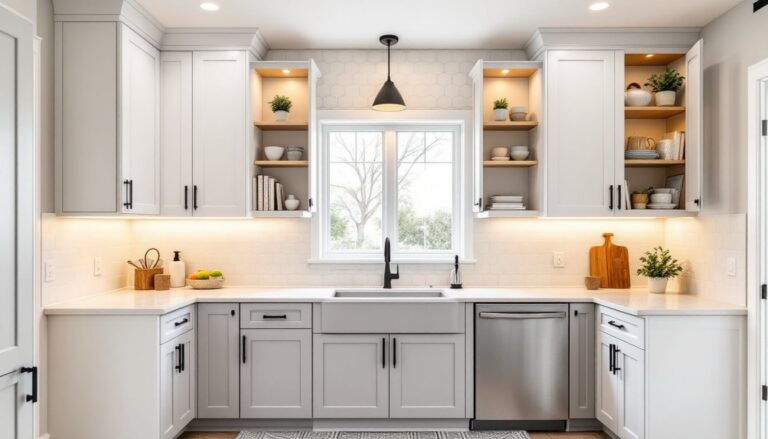


A kitchen remodel doesn’t require a second mortgage or a crew of contractors. With a clear plan, the right materials, and some elbow grease, homeowners can tackle a DIY kitchen remodel that transforms the heart of their home without very costly. Whether you’re refreshing cabinets and countertops or tackling a full-scale renovation, this guide walks you through the essential stages, from budgeting and demolition through to finishing touches. We’ll cover what you can handle yourself and where calling in a professional actually saves money and headaches. A DIY kitchen renovation demands respect for structural considerations and building codes, but the payoff in both cost savings and personal satisfaction makes it worth the effort.
Key Takeaways
- A DIY kitchen remodel can cut professional renovation costs by 30–50% when homeowners handle most labor themselves while respecting building codes and structural considerations.
- Proper planning—including detailed measurements, realistic budgeting with a 15–20% contingency fund, and a clear layout sketch—prevents costly mistakes and ensures a functional kitchen design.
- Focus DIY kitchen remodel efforts on cosmetic phases like demolition, cabinet refacing, backsplash tiling, painting, and hardware installation, while hiring licensed professionals for electrical, plumbing, and structural work to ensure safety and code compliance.
- Countertop and flooring choices dramatically affect difficulty: luxury vinyl plank and laminate counters are beginner-friendly, while tile requires moderate skill and stone typically demands professional installation.
- Simple upgrades like quality paint, under-cabinet LED lighting, subway tile backsplash, and hardware replacement deliver high visual impact at low cost when executed with proper preparation.
- A hybrid approach—handling cosmetic updates yourself while outsourcing systems work to licensed contractors—balances cost savings with the safety and compliance your kitchen needs.
Plan Your Kitchen Remodel: Budget, Layout, and Inspiration
Before swinging a hammer, sit down with a notepad, measuring tape, and honest budget numbers. Decide what’s driving your remodel: worn-out cabinets, outdated appliances, poor functionality, or purely cosmetic refresh. This shapes your spending and priorities.
Measure everything twice. Jot down cabinet sizes, countertop dimensions, appliance footprints, and ceiling height. Note where electrical outlets, gas lines, and plumbing penetrate the walls, moving these later costs money and complexity. Take photos of the current layout from multiple angles.
Set a realistic budget. A full kitchen overhaul typically runs $40,000–$80,000 for professionals: a DIY kitchen reno usually cuts that by 30–50% if you’re doing most labor yourself. But structural repairs, electrical upgrades, or unexpected plumbing issues can derail finances fast. Build in a 15–20% contingency fund for surprises.
Gather inspiration thoughtfully. Browse kitchen design galleries, but focus on layouts and material choices that match your skill level and timeline. Real case studies from DIY kitchen renovation guides show what’s realistic for owner-builders. Sketch a rough layout showing traffic flow, appliance locations, and work triangle (the path between sink, stove, and fridge). A cramped or illogical layout undermines even the prettiest finishes.
Demolition and Structural Work: What You Need to Know
Demolition is the part where a sledgehammer feels satisfying, but it’s also where careless work costs you thousands. Turn off electricity to the kitchen at the breaker panel and confirm it’s dead with a non-contact voltage tester. Cap or remove any live wires properly: don’t leave loose ends. If the kitchen has an island or peninsula, confirm nothing load-bearing (a structural beam or column) is hiding inside before you remove cabinetry.
Remove cabinets by unscrewing them from wall studs (they’re fastened with 2.5-inch screws). Clear the countertop and sink first. Dispose of debris legally, check local guidelines for construction waste. Laminate and old tile often contain asbestos if the house was built before 1980: have that tested before disturbing it. Professional abatement isn’t cheap, but inhaling asbestos is worse.
If you’re replacing flooring, the subfloor underneath may need attention. Probe for soft spots or rot with a utility knife: weak subfloor means new plywood underlayment before laying tile, vinyl, or hardwood. Structural repairs warrant a structural engineer’s sign-off if joists or beams are involved.
Electrical and Plumbing Considerations
Electrical and plumbing work often require permits and licensed professionals, check your local building department. A kitchen needs dedicated circuits for major appliances (a 20-amp circuit for countertop outlets, separate 240-volt circuits for an electric range), and existing wiring may not meet current code. Moving outlets or adding circuits is doable for some DIYers, but improper work creates fire hazards and voids insurance. Similarly, moving water supply lines or drain pipes demands knowledge of slope, venting, and local code. If the layout changes significantly, hire a licensed electrician and plumber for at least a consultation to identify what you can DIY and what you can’t.
Cabinets, Countertops, and Flooring Installation
Cabinet installation is achievable for patient DIYers. New cabinets arrive flat-packed or as unfinished boxes, read assembly instructions closely. Install a level chalk line around the room at 34.5 inches (standard counter height) to guide base cabinet placement. Fasten them to wall studs with 2.5-inch screws, shimming as needed to ensure they’re plumb and level. Uneven cabinets throw off countertop fit and door swing. Upper cabinets go 18 inches above the counter. Enlist a helper, holding a 60-pound cabinet while driving screws is a two-person job.
Refacing existing cabinets (painting, staining, or veneering doors and sides) costs half what new cabinets do. Sand cabinet doors and frames with 120-grit sandpaper, apply primer, then two coats of cabinet-grade paint. Use a microfiber roller to avoid brush marks. This works beautifully if the underlying cabinet structure is sound.
Countertops come in laminate, tile, butcher block, or stone. Laminate (like Formica or Wilsonart) is budget-friendly and DIY-friendly, template the tops, order pre-made sections, and glue and screw them to the cabinet base. Tile requires grout work and is forgiving of minor mistakes. Tile setters charge per square foot, but if you’re comfortable with a notched trowel and grout float, it’s manageable. Solid surface or stone usually demands professional installation.
Flooring options include vinyl plank, ceramic tile, or hardwood. Luxury vinyl plank (LVP) is the easiest DIY choice, it clicks together, requires minimal subfloor prep, and installs in a weekend. Tile needs a solid, level subfloor and careful layout to avoid slivers at cabinet edges. Hardwood expands and contracts seasonally: acclimate it to the kitchen’s humidity for at least 48 hours before installation.
Budget-Friendly Finishing Touches: Paint, Backsplash, and Lighting
Paint transforms a kitchen more cheaply than any other update. Use semi-gloss or satin kitchen enamel, it resists moisture and wipes clean. Prep walls by filling holes, sanding, and priming. Two coats of quality paint beats one thick coat. A gallon covers roughly 350–400 square feet, so measure your wall area and buy accordingly.
A backsplash adds personality and protects walls from splashes. Subway tile is classic and foolproof for DIYers, use a notched trowel, apply thinset mortar (not mastic for wet areas), press tiles straight, and grout 48 hours later. Glass or mosaic tiles work similarly. Pre-made peel-and-stick backsplash sheets skip grout mess but look less polished and may peel in steamy kitchens. Real tile costs more upfront but lasts decades.
Lighting makes or breaks kitchen functionality and mood. Under-cabinet LED strips ($30–60 per kit) brighten the countertop and install in an afternoon. Recessed downlights require cutting into the ceiling and running wiring, hire an electrician if you’re unsure. Pendant lights over an island are easier if you route the wire along the ceiling behind trim. Swap out old fixtures only after the power’s off and verified dead.
Hardware, knobs and pulls, is the lipstick on a kitchen refresh. New hardware on old cabinets signals care and cost just $2–8 per piece. Drill new holes carefully if existing holes don’t match the new hardware style.
DIY vs. Hiring a Contractor: Making the Right Choice
Not everything belongs on your shoulders. A full DIY kitchen remodel takes 2–4 months if you’re working nights and weekends. Structural changes, electrical rewiring, and plumbing modifications carry code and safety stakes that justify professional help. One shoddy wire splice or improper drain slope isn’t worth the risk. Electricians and plumbers cost $100–150 per hour, but they work to code and carry liability insurance. If something goes wrong, they’re responsible, you’re not.
DIY-friendly phases include demolition, cabinet assembly and refacing, backsplash tiling, painting, and hardware installation. These won’t damage your home if executed poorly, they just look amateurish or need a do-over. Appliance installation, gas line work, and structural framing demand licensed professionals.
Get multiple quotes before hiring. A contractor who listens to your goals and explains the work clearly earns trust. Budget 5–10% more than the lowest bid: the cheapest often cuts corners. References and photos of past work matter more than price.
Consider a hybrid approach: handle cosmetic phases yourself, hire pros for structural and systems work. This cuts labor costs while ensuring the kitchen is safe and code-compliant. Planning a bathroom refresh too? Many of the same cabinet, tile, and finishing strategies from a DIY bathroom remodel apply to kitchen work.
Conclusion
A DIY kitchen remodel is within reach for homeowners willing to learn, measure twice, and ask for help when systems and safety are on the line. Budget carefully, respect what you don’t know, and tackle the cosmetic and structural phases that suit your skill level. The result, a kitchen you built yourself, tailored to how your family actually cooks and eats, is worth every hour of work. Start with a solid plan, gather the right tools, and don’t rush. Your kitchen will thank you for the care.