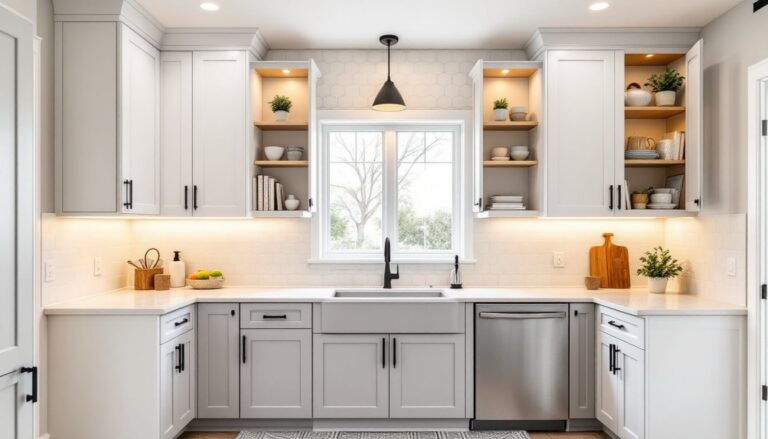

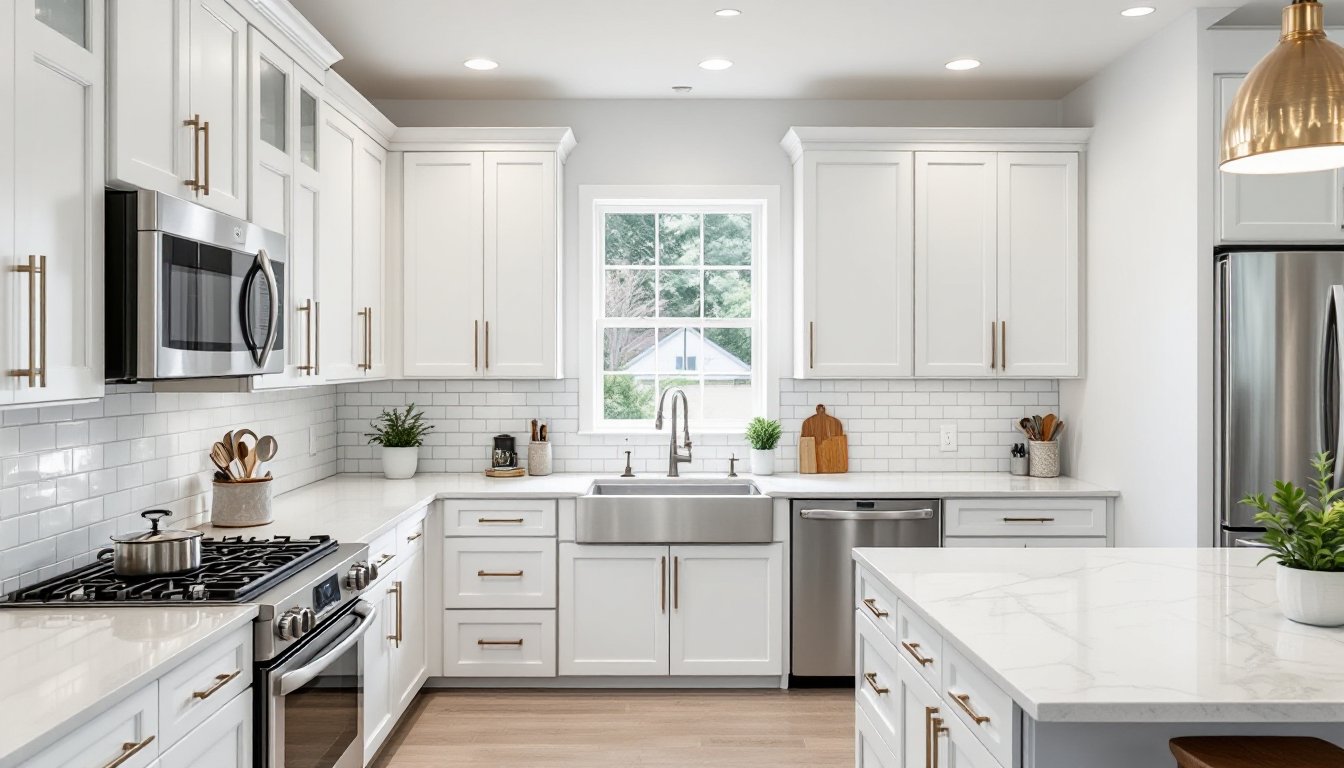
A kitchen remodel doesn’t have to drain your savings or require a team of licensed contractors. Whether you’re planning a cosmetic refresh or a full overhaul, smart kitchen remodel advice starts with understanding what’s realistic for your skills, timeline, and wallet. This guide walks you through the essentials, from setting a realistic budget and nailing your layout to selecting durable materials and tackling the finishing touches that pull everything together. The same principles apply whether you’re managing a diy kitchen renovation, tackling appliance upgrades, or learning from others who’ve done a diy kitchen reno before you.
Key Takeaways
- Smart kitchen remodel advice starts with setting a realistic budget and prioritizing non-negotiables, with full remodels ranging from $50,000–$150,000+ and modest updates from $15,000–$35,000.
- Plan your kitchen layout before making any changes, keeping your sink and stove in their current locations unless prepared for expensive plumbing and electrical rerouting that typically requires licensed professionals.
- Cabinetry is your kitchen’s largest cost at 25–35% of budget; stock or semi-custom cabinets are DIY-friendly, while countertop and flooring choices should match your skill level—laminate and vinyl plank are easier than quartz or stone.
- Update appliances strategically by focusing on the big three (refrigerator, range, dishwasher) and keeping existing units if they function well, but always hire licensed professionals for gas and complex electrical work.
- Maximize your kitchen reno with layered lighting (ambient, task, and accent) and smart storage solutions like deep drawers and pull-out shelves that transform functionality without requiring layout changes.
- Reserve 10–15% of your kitchen remodel budget as contingency funds and honestly assess which tasks are truly within your DIY skill range, leaving plumbing, electrical, and gas work to licensed professionals.
Set Your Budget and Priorities
Before you measure a single cabinet or pick out hardware, define how much you can spend and where your dollars matter most. A full gut remodel, removing walls, relocating plumbing, replacing every surface, can run $50,000 to $150,000+ depending on your region and finishes. A modest update with fresh cabinetry, countertops, and lighting might sit at $15,000 to $35,000. If you’re doing some work yourself, labor savings can shave 20–40% off professional quotes, but only if the work you’re tackling is truly within your skill range.
Start by writing down your non-negotiables. New appliances? Better lighting? Expanded storage? Waterproofing and fixing hidden issues like rotting joists or outdated electrical? Rank them in order. Plumbing and electrical work often can’t be skipped, they’re both code requirements and durability investments. Cosmetic work (paint, hardware, backsplash) is where DIY swaps for pro labor most effectively. Kitchen remodel cost breakdowns typically allocate 25–35% to cabinetry, 15–20% to countertops, 10–15% to appliances, and 10–15% to labor. This framework helps you spot where to invest and where to compromise if your budget tightens.
Plan Your Layout and Design
Your kitchen‘s layout, the work triangle formed by your sink, stove, and fridge, determines flow and efficiency. If moving plumbing or gas lines, costs spike fast. Keep your sink and stove in their current locations unless you’re prepared to reroute supply lines, vent ductwork, and possibly pour new concrete footings. Repositioning appliances is a pro-territory task in most cases: it requires a licensed plumber and electrician for code compliance.
Sketch your kitchen to scale (graph paper works, or use free online tools). Note window and door placements, wall thickness, and existing utility locations. Check your local IRC (International Residential Code) for clearances: galley kitchens need at least 42 inches between facing cabinets, and your work triangle legs should each measure 4–9 feet. These aren’t suggestions, they’re the difference between a kitchen that functions and one that frustrates you for years.
Design inspiration comes from smart sources. The Kitchn and Remodelista curate kitchen design ideas, small-kitchen solutions, and real project photos that show before-and-afters. Collect images of layouts and finishes you like, and note why: is it the storage, the lighting, the color flow? This reference library guides your material and finish choices later.
Work Within Your Current Space
Most homeowners work with an existing kitchen footprint. You might open a wall to the dining area (non-load-bearing only, check with a structural engineer or contractor first), but wholesale repositioning of utilities is expensive and often unwarranted. Instead, maximize your layout with smart storage: deep drawers instead of cabinets, pull-out shelves, vertical spice racks, and corner carousels.
If your kitchen is small, every inch counts. A 36-inch-wide island might feel cramped: a 24-inch cart on wheels offers flexibility. If you’re short on counter space, a waterfall-edge quartz island provides prep room and visual appeal without busting your budget. Smart layout tweaks, angling a corner cabinet, moving a pantry door, or extending countertops 6 inches, cost little but unlock function.
Choose Materials and Finishes
Cabinetry is your kitchen’s backbone and typically the largest line-item cost. Stock cabinets (assembled, ready to install) run $50–$150 per linear foot. Semi-custom units offer more finish and hardware options at $100–$250 per linear foot. Full custom work starts around $250/linear foot. For a diy kitchen reno, stock or semi-custom cabinets are easier to handle and install. You’ll need a level, a drill, shims, screws, and patience, no specialized skills required, but the work is detail-oriented and time-consuming.
Countertops set the visual tone. Laminate ($25–$50 per linear foot) is budget-friendly and durable for light-to-moderate use. Solid surface ($75–$150/linear foot) resists stains and repairs easily. Quartz ($80–$150/linear foot) is nearly indestructible and mimics stone. Granite or marble ($100–$250/linear foot) offer luxury but need sealing and maintenance. For a diy install, laminate and solid surface are manageable: quartz and stone are heavy and often require a fabricator and professional install.
Backsplash tile bridges form and function. Subway tile, hexagon, or small mosaic patterns all work. Budget $150–$500 for materials (depending on tile choice and coverage area). If you’ve never tiled, practice on a scrap of drywall first. Use a notched trowel (often 3/8- or 1/2-inch for wall tile), spacers to keep grout lines even, and epoxy grout if you want stain-resistance. Non-sanded grout works for joints under 1/8-inch: sanded grout for anything wider.
Flooring must withstand moisture, foot traffic, and spills. Vinyl plank (luxury vinyl, LVP) costs $2–$6 per square foot installed and mimics wood or tile. Ceramic tile runs $3–$10 per square foot and suits kitchens perfectly. Wood (solid or engineered) works if sealed and maintained. Concrete (sealed and polished) is trendy and industrial. For DIYers, LVP and vinyl tile click together and require only basic prep: ceramic tile demands patience and grout know-how.
Update Appliances Strategically
Appliances represent 10–15% of your remodel budget. Focus on the big three: refrigerator, range/cooktop, and dishwasher. A mid-range refrigerator runs $1,200–$2,000: a solid range (gas or electric) costs $800–$2,500: a good dishwasher is $600–$1,200. Budget brands exist but tend toward shorter lifespans and fewer features. Established manufacturers (Samsung, LG, Whirlpool, KitchenAid) offer reliability and readily available parts.
One strategic tip: if your current appliances function well, you don’t have to replace them all at once. Keeping your existing refrigerator saves $1,500+. Upgrading to a gas cooktop (if you don’t have one) adds cooking precision but requires a licensed gas fitting if utility lines need rerouting, that’s a pro-only task.
Installation matters. Refrigerators and dishwashers are straightforward DIY installs if water lines and electrical hookups exist. Gas cooktops and ovens should be installed by a licensed professional in most jurisdictions (both safety and code compliance). Electric cooktops are easier, but you’ll need to confirm your breaker panel can handle the amperage (typically 50 amps for a standard electric range). When in doubt, call an electrician: a $150 service call is cheaper than a fire or electrical fault.
Handle Lighting and Storage Solutions
Lighting elevates kitchens from purely functional to genuinely welcoming. Layer three types: ambient (overhead fixtures or recessed lights covering the whole room), task (under-cabinet lighting over work surfaces, pendant lights over islands), and accent (display shelf lighting, above-cabinet uplighting for drama). Recessed lights (also called cans or pot lights) cost $100–$300 per fixture installed: track lighting is cheaper at $50–$150 per head. LED bulbs are standard now and save money on energy and lifespan.
Under-cabinet lighting is a game-changer for task visibility and ambiance. Plug-in LED strips ($30–$80 per section) hide debris and offer warm or cool tones. Hardwired options ($200–$500 installed) look cleaner but require running wiring through cabinets, doable for a confident DIYer comfortable with basic electrical work, but verify your local NEC (National Electrical Code) requirements. Most jurisdictions allow 15-amp circuits for under-cabinet lights: anything else warrants a licensed electrician.
Storage often gets overlooked until you’re stuffing canned goods into random gaps. Deep drawers replace traditional cabinets for pots, pans, and bulk items. Pull-out spice racks ($40–$150) maximize narrow spaces. A lazy Susan in a corner cabinet ($30–$100) makes that hard-to-reach zone actually usable. Vertical dividers ($20–$60) organize baking sheets and cutting boards. These add-ons cost $200–$500 total but transform functionality. A diy bathroom remodel teaches the same principle: smart storage beats square footage every time.
Conclusion
A successful kitchen remodel balances budget, design, and realistic DIY scope. Start by defining priorities and setting aside contingency funds (typically 10–15% of budget for surprises, old homes always have them). Plan your layout before buying anything: protect what works and upgrade what doesn’t. Choose durable, maintainable materials suited to your skill level. Know which tasks demand licensed professionals, electrical, plumbing, gas work, and tackle cosmetic finishing yourself. With solid planning and honest assessment of your abilities, you’ll build a kitchen that functions beautifully and reflects the work you put into it.