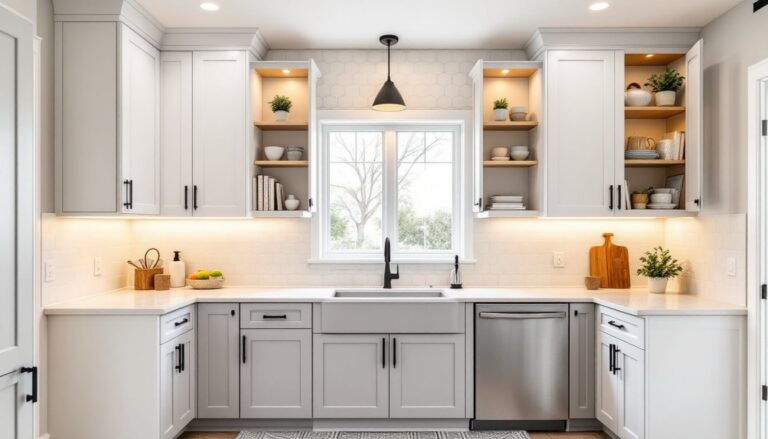


A kitchen renovation doesn’t require a second mortgage or a crew of contractors standing around for months. Whether you’re tackling a DIY kitchen remodel on a modest budget or planning a staged approach to updates, the difference between a project that sings and one that drains your bank account comes down to smart planning and prioritization. This guide walks you through practical tips for renovating a kitchen, from layout decisions that improve workflow to material choices that stand the test of time. You’ll learn how to allocate your DIY kitchen renovation budget where it matters most, so every dollar spent delivers real value. Let’s start with the fundamentals.
Key Takeaways
- Plan your kitchen layout around the work triangle connecting sink, stove, and refrigerator to improve workflow and prevent costly cabinet relocations after installation.
- Set a realistic DIY kitchen renovation budget of $3,000–$25,000+ depending on scope, and allocate 15% as a contingency buffer for unexpected structural or plumbing issues.
- Invest in durable, high-traffic materials: quartz countertops (25+ years durability), luxury vinyl flooring, and quality cabinet paint that outlast cheaper alternatives.
- Upgrade lighting with three types—task, ambient, and accent—using LED fixtures and under-cabinet strips to enhance both function and kitchen aesthetics.
- Refresh cabinetry and hardware affordably by replacing cabinet doors ($40–$200 each) and adding new handles and knobs ($5–$25 per piece) for maximum visual impact.
- Maximize storage by utilizing vertical space with tall pantry cabinets, pull-out organizers, and drawer dividers to make your kitchen feel more spacious and organized.
Plan Your Layout and Workflow
Before you remove a single cabinet, sketch out your kitchen’s work triangle, the imaginary triangle connecting your sink, stove, and refrigerator. A smooth workflow keeps you from wasting steps and frustration during daily cooking.
Measure your current kitchen carefully, noting the exact placement of plumbing and electrical lines, window positions, and door swings. Changes here demand structural work and, often, permits. If you’re moving the sink or cooktop, you’re rerouting water and gas lines, this isn’t a weekend project unless you’re licensed. Be honest with yourself about what’s a DIY task versus what needs a professional.
Consider traffic flow too. Does the refrigerator door swing into the main walkway? Will your island block access to the stove? Sketch a rough floor plan, even on graph paper, and walk through it mentally. Proper planning now prevents costly mistakes later, moving cabinets after installation costs thousands and eats weeks.
Set a Realistic Budget and Prioritize
DIY kitchen reno costs vary wildly depending on region, material quality, and scope. A modest cabinet refresh and new countertops might run $3,000 to $8,000: adding appliances and flooring pushes it to $12,000 to $25,000 or beyond. Paint, hardware, and lighting alone can top $1,000 if chosen well.
List every element you want to change, then rank them by impact: new countertops and a fresh coat of paint transform appearance fast. Appliance upgrades improve function. Flooring is durable but expensive. Splurge on pieces that see daily use and take visual center stage, your countertops and cabinet hardware. A kitchen renovation guide from our site outlines how to allocate funds across DIY kitchen renovation phases, letting you spread costs over time.
Build in a 15% contingency buffer for surprises, water damage behind walls, outdated wiring, or unexpected plumbing issues derail timelines and budgets fast. Keep receipts, track labor hours if you’re doing the work yourself, and don’t skimp on materials just to stay under budget by $200: cheap countertops peel or stain within two years.
Choose Durable Materials That Fit Your Lifestyle
Not every surface needs to be premium, but high-traffic areas demand durability. Countertops take a beating: quartz (engineered stone) resists stains, heat, and scratches far better than laminate, costs $40 to $100 per square foot installed, and lasts 25+ years. Granite is beautiful but needs regular sealing: butcher block is warm but moisture-sensitive. Laminate is affordable but shows wear within 5–10 years.
Flooring must handle moisture and foot traffic. Luxury vinyl plank (LVP) mimics hardwood, costs $2 to $8 per square foot, resists water, and suits families with kids or pets. Tile is durable and timeless but cold underfoot and tougher to install without experience. Hardwood looks stunning but warps in humid kitchens.
Cabinets set your kitchen’s character and price point. Stock cabinets (off-the-shelf, basic finishes) cost $100 to $300 per linear foot. Semi-custom options ($300–$800) let you tweak dimensions and finishes. Paint existing cabinets with high-quality cabinet paint, $80 to $150 per gallon covers about 400 square feet and lasts longer than regular interior paint when paired with primer and polyurethane topcoat.
Upgrade Lighting for Function and Ambiance
Bad lighting makes even a beautiful kitchen feel gloomy and makes cooking harder. Aim for three types: task (over countertops and sink), ambient (general overhead), and accent (under cabinets or around islands).
Task lighting requires fixtures directly above work zones. Under-cabinet LED strips ($30 to $150 per kit, installed) brighten countertops and cut shadows. A pendant or track light over an island ($50 to $300 per fixture) provides targeted brightness. Overhead recessed lights or a flush-mount fixture handle ambient lighting: modern dimmable LEDs let you adjust mood.
LED bulbs cost more upfront ($5 to $20 per bulb) but consume 75% less energy than incandescent and last 15+ years. Invest there. For design inspiration on how lighting shapes kitchen aesthetics, sources like Remodelista showcase kitchens where light placement elevates both function and style. Rough-in wiring before drywall closes walls: running electrical after framing demands cutting into studs or fishing wire through walls, slow and frustrating.
Refresh Cabinetry and Hardware
Replacing cabinet doors and hardware is the fastest, cheapest way to refresh your kitchen. New doors (slab-style or with basic frames) cost $40 to $200 each and take a half day to swap out. Handles and knobs run $5 to $25 per piece: multiply by 20 or 30 and you’ve invested $100 to $750 in hardware that completely transforms the visual impact.
If you’re keeping existing cabinets, a fresh coat of cabinet-grade paint breathes new life in. Clean thoroughly, prime with bonding primer (Zinsser Bulls Eye is reliable), and apply two coats of high-quality cabinet paint. Expect 3 to 5 days total: don’t rush drying time between coats. Wear a respirator, spray or brush application: paint fumes linger in enclosed spaces.
Cabinet interiors matter too. Soft-close hinges ($15 to $30 per hinge) eliminate slamming and feel luxe. Pull-out organizers, spice racks, and drawer dividers ($20 to $200 depending on complexity) make the kitchen more functional. When upgrading appliances, modern refrigerators, ranges, and dishwashers integrate seamlessly with refreshed cabinetry and hardware. Our guide to top kitchen appliances helps you pick units that match your style and budget.
Select Finishes and Color Schemes That Last
Trendy colors fade in appeal. Whites, grays, and muted tones endure because they pair with everything. If you love navy or sage, use it on a feature wall or island: keep major surfaces (walls, cabinetry) neutral.
Matte and satin finishes hide fingerprints better than high-gloss on cabinetry. Semi-gloss or satin paint on walls resists moisture better than flat and wipes clean, critical in kitchens. Countertop finishes matter: polished surfaces show water spots: honed or matte finishes (like brushed quartz) hide smudges.
Hardware finishes, brushed nickel, matte black, stainless steel, should complement your overall aesthetic but also resist tarnishing and fingerprints. Stainless steel shows every handprint: matte black and brushed nickel hide wear better. Plan a cohesive scheme: pick your countertop color and material first, then choose cabinet color, hardware finish, and backsplash tile to harmonize. Resources like The Kitchn offer design galleries showing how finishes work in real kitchens, not just styled photo shoots.
Don’t Overlook Storage Solutions
A beautiful kitchen that lacks storage becomes a frustrating kitchen. Assess what you actually own, dishes, cookware, pantry items, appliances, and plan homes for everything before you finalize cabinet layouts.
Vertical space is your friend. Tall pantry cabinets (84 inches high) maximize storage without eating counter space. Open shelving ($30 to $100 per shelf, installed) displays frequently used items and makes compact kitchens feel larger, but requires styling discipline, clutter looks worse on open shelves. Drawer dividers, pull-out baskets, and tiered shelf risers ($5 to $50 each) double functional capacity inside existing cabinets.
Don’t install massive islands without drawers and shelves: wasted island space is wasted square footage. A 4-by-2-foot island with two large drawers and a shelf below stores tools, linens, and bulk items while providing prep space. Lazy Susans in deep corner cabinets ($20 to $60) eliminate the “dead zone” problem. Smart storage planning makes your DIY kitchen remodel feel more spacious and organized than it was before, even if you haven’t added square footage.