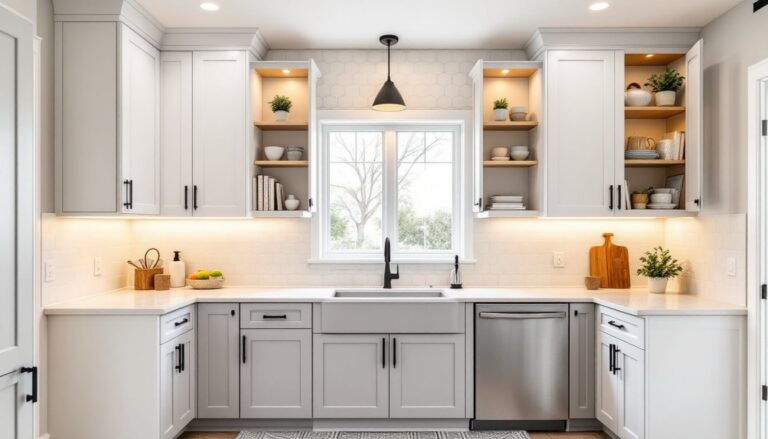


Renovating a home in 2026 looks a lot different than it did even three years ago. Material costs have leveled off in some categories but jumped in others, smart-home wiring is now standard in many builds, and homeowners are tackling more projects themselves to stretch budgets. Whether someone is gutting a powder room or planning a full kitchen overhaul, a few smart strategies separate the smooth jobs from the money pits. These home renovation tips cover the planning, budgeting, and execution decisions that matter most before the first wall comes down.
Key Takeaways
- Set a realistic budget that includes a 15–20% contingency fund for hidden surprises like rotted structures or outdated wiring before beginning home renovation tips execution.
- Prioritize structural and mechanical work (roof, foundation, electrical, plumbing) before finishes, and order long-lead items like custom cabinets (8–12 weeks) before demolition starts.
- DIY projects like painting, trim work, and backsplashes are feasible for handy homeowners, but leave electrical panel upgrades, gas lines, load-bearing wall removal, and main drain work to licensed professionals.
- Choose timeless, durable materials like quartz counters, luxury vinyl plank flooring, and shaker-style cabinets that hold value across style cycles rather than chasing fleeting trends.
- Focus renovation budgets on high-impact areas—kitchens, bathrooms, and curb appeal—since these rooms deliver the strongest resale ROI with minimal cost.
- Avoid costly shortcuts like skipping surface prep, failing to acclimate flooring, ignoring permits, and hiring contractors based on price alone instead of scope and quality.
Set a Realistic Budget Before You Start Demolition
Budgeting is where most renovations quietly fail. A realistic figure includes materials, labor, permits, tool rentals, dumpster fees, and a contingency fund of 15–20% for the surprises hiding behind drywall (rotted sill plates, outdated wiring, cast-iron drain stacks that crumble when touched).
Homeowners should price out materials in person or via current retailer sites, not based on last year’s memory. Lumber, tile, and copper fluctuate weekly. For larger projects, protecting your investment with a written contract matters even when working with a trusted local crew.
A helpful breakdown of how pros approach remodel budgeting and contingency planning is worth reading before locking in numbers. And remember: a diy bathroom renovation cost can range from $1,500 for a cosmetic refresh to $8,000+ once tile, plumbing fixtures, and a new vanity enter the picture.
Plan Your Renovation Timeline and Prioritize Projects
Sequence matters. Structural and mechanical work (framing, electrical rough-in, plumbing, HVAC) always comes before finishes. Painting the dining room before replacing the roof is how good drywall gets ruined.
A reasonable priority list looks like this:
- Safety and structure first: roof, foundation, electrical panel, major plumbing
- Envelope: windows, siding, insulation
- Functional rooms: kitchen, primary bath
- Cosmetic upgrades: flooring, paint, trim, lighting
Material lead times still run long in 2026. Custom cabinets routinely take 8–12 weeks, and specialty tile can take 6+. Ordering before demo starts prevents a half-finished kitchen sitting idle for a month.
Decide What to DIY and What to Leave to the Pros
Honest self-assessment saves money and emergency-room visits. Painting, trim carpentry, tile backsplashes, vanity swaps, and basic flooring are well within reach for most handy homeowners. Browsing project breakdowns in the DIY & Home Renovation library is a good way to gauge difficulty before committing.
Leave these to licensed pros:
- Service panel upgrades and new circuits (NEC compliance, permits required)
- Gas line work
- Load-bearing wall removal (structural engineer sign-off needed)
- Main drain replacements
- Roof structure changes
A diy kitchen renovation can absolutely include cabinet installation, painting, and a new backsplash, but moving the sink three feet over usually means a plumber. Tutorial libraries like Family Handyman’s repair guides help homeowners figure out where their skills realistically land.
Choose Durable, On-Trend Materials That Add Value
Trendy and durable aren’t opposites, but they’re not synonyms either. Quartz counters, luxury vinyl plank (LVP) flooring, matte black or brushed brass fixtures, and shaker-style cabinets have held value across multiple style cycles.
A few material notes worth remembering:
- Nominal vs. actual lumber: a 2×4 is actually 1.5″ x 3.5″. Plan layouts accordingly.
- Paint coverage: roughly 350–400 sq ft per gallon on primed drywall
- Tile: porcelain (rated PEI 4–5) outperforms ceramic in high-traffic baths and kitchens
For inspiration that leans timeless, the principles behind sleek modern interior design, clean lines, neutral palettes, honest materials, age better than whatever color the trend forecasters pushed last spring.
Focus on High-Impact Rooms: Kitchens, Baths, and Curb Appeal
Not all rooms return the same value. Kitchens and bathrooms consistently top resale ROI charts, and curb appeal projects (front door, landscaping, garage door) punch above their weight at surprisingly low cost.
A budget-conscious diy kitchen renovation guide can deliver a near-new look for under $5,000 if cabinets are painted instead of replaced and counters are swapped for prefab quartz. On the bath side, a planned diy bathroom renovation on a budget often centers on retiling the tub surround, swapping the vanity, and updating the toilet and fixtures.
For curb appeal: a fresh coat of paint on the front door, new house numbers, and a $40 sconce upgrade can shift a buyer’s first impression in under a weekend.
Avoid Common Renovation Mistakes That Cost Time and Money
Most renovation disasters trace back to the same handful of shortcuts:
- Skipping prep work. Painting over greasy kitchen walls without TSP cleaner and primer means peeling within a year.
- Not acclimating flooring. Hardwood and LVP need 48–72 hours in the installation space before laying down.
- Measuring once. The old rule exists for a reason.
- Ignoring permits. Unpermitted work can torpedo a sale and void homeowner’s insurance claims.
- Hiring on price alone. The lowest bid usually reflects the smallest scope, not the best deal.
When working with designers or contractors, clear interior design contracts prevent the scope-creep arguments that derail timelines. General references like Bob Vila’s project archives are also useful for double-checking technique before committing to a method.
Conclusion
Smart renovation comes down to planning hard, prepping harder, and knowing when to put the tools down and call someone. Homeowners who budget honestly, sequence projects logically, and respect the difference between cosmetic and structural work tend to finish on time and on budget. The dust settles either way, the question is whether the result was worth it.