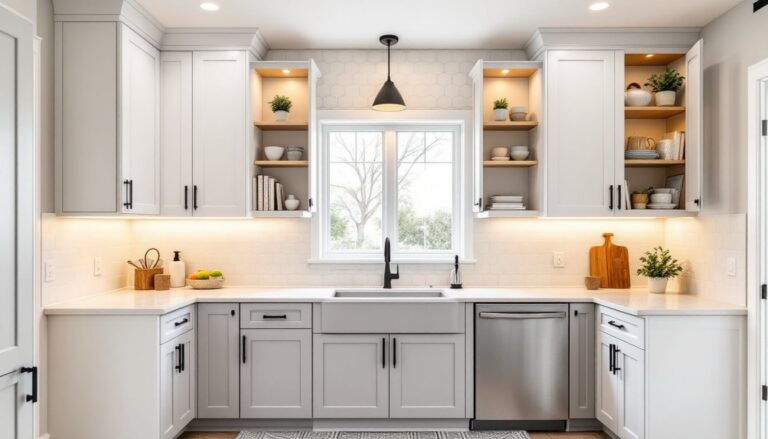


Home renovation can feel overwhelming, between permits, timelines, material choices, and unexpected costs, it’s easy to see why so many homeowners hesitate to start. But renovation doesn’t have to be chaotic. Whether you’re tackling a DIY bathroom renovation, considering a full kitchen overhaul, or planning any improvement in between, solid planning and smart remodeling tips make the difference between a project that runs smoothly and one that drains your patience and wallet. This guide walks you through each critical phase: from defining your goals and budget to choosing materials and managing contractors. By the end, you’ll have a clear framework for executing your renovation with confidence.
Key Takeaways
- Set clear renovation goals and a realistic budget with a 15–20% contingency fund to handle unexpected costs that affect most home improvement projects.
- Plan your layout and design on paper before construction begins to avoid costly mid-project changes and ensure functionality (workflow, storage, lighting).
- Hire a licensed contractor, get everything in writing with detailed scope and payment terms, and never pay the full amount upfront to protect your renovation investment.
- Choose materials strategically based on longevity and use case rather than chasing trends—quality basics often outperform luxury finishes for long-term value.
- Balance aesthetics with functionality and prioritize essential upgrades (roof, HVAC, plumbing, energy efficiency) that return 50–80% at resale over trendy finishes.
- Communicate clearly with your contractor throughout execution, address quality issues immediately, and plan for realistic disruption timelines to keep your renovation on track.
Start With Clear Goals and a Realistic Budget
Before you pick a paint color or call a contractor, answer one question: what do you want this renovation to accomplish? Are you fixing a leak, modernizing outdated finishes, improving functionality, or preparing to sell? Your answer shapes everything that follows.
Once your goal is clear, set a realistic budget. Most homeowners underestimate costs by 10–20 percent, so build in a contingency fund, typically 15–20 percent of your total budget. A $20,000 kitchen renovation should have $23,000–$24,000 in your back pocket for surprises. Include labor, materials, permits, and any professional fees upfront.
Break your budget into categories: structural work (the biggest cost driver), finishes, appliances, and professional services. If a category eats up more than expected, you know exactly where to trim without cutting quality where it matters most. Resources like industry guides can help you benchmark realistic costs in your region, material prices and labor rates vary dramatically by location and market conditions.
Plan Your Layout and Design Before Construction Begins
Design decisions made on paper are cheap. Changes made mid-construction cost time and money. Spend time sketching your layout, even roughly, and walk through it in person. In a kitchen, does the work triangle (sink, stove, refrigerator) flow? In a bathroom, does the vanity location interfere with door swing? These details matter.
Gather inspiration from photo collections, but focus on realistic examples. Study how finishes work in real homes with real lighting, not just styled magazine shots. A trend that looks stunning in a studio apartment might feel cramped in your space. Consider durability too, a trendy backsplash tile that requires constant grout cleaning might frustrate you after six months.
While DIY bathroom renovation and DIY kitchen renovation projects often skip formal design drawings, even a simple floor plan prevents costly mistakes. Measure twice, mark utilities (plumbing, electrical, gas), and flag any structural concerns. If walls are load-bearing or if you’re moving plumbing, you’ll need professional assessment and likely permits.
Hire the Right Contractor and Get Everything in Writing
If your project involves electrical work, gas lines, structural changes, or anything requiring permits, a licensed contractor isn’t optional, it’s code and it protects you. Vet contractors carefully: ask for references, check licensing with your state or local authority, request insurance proof, and always get multiple bids.
The lowest bid isn’t the best deal. A contractor who significantly underbids is either cutting corners or will change your scope mid-project. The highest bid might reflect unnecessary upselling. Compare apples to apples, same scope, timeline, and warranty terms.
Get a detailed written contract. It should outline the scope of work, timeline, payment schedule, material specifications, cleanup responsibilities, and what happens if the project runs long or over budget. A solid home renovation contract protects both you and the contractor. Never pay the full amount upfront: typical schedules are 30–40 percent at signing, progress payments mid-project, and final payment upon completion. If a contractor resists a written agreement, walk away.
Make Strategic Choices on Materials, Finishes, and Design Details
Material selection determines both cost and durability. High-end quartz countertops look sleek but cost $100–$150 per linear foot installed. Solid surface or laminate alternatives offer decent aesthetics for $30–$60 per linear foot. Neither is wrong: it depends on your budget and use case.
Consider longevity. Premium flooring (hardwood, quality tile) lasts 15–25 years and can be refinished. Budget vinyl or laminate lasts 5–10 years. If you’re staying long-term, investing upfront often pays off. If you’re planning to move within five years, prioritize curb appeal and critical systems (roof, HVAC, plumbing) over luxury finishes.
Don’t skimp on essentials. Paint, primer, and underlayment matter. A $200 quality faucet with a strong warranty and replaceable cartridge costs less than calling a plumber to repair a $50 model. Smart remodeling tips often boil down to buying decent-quality basics rather than chasing the flashiest trend. Neutral finishes (white subway tile, soft paint tones) appeal to broader tastes if resale is on your radar.
Balance Aesthetics With Functionality and Long-Term Value
A beautiful kitchen is useless if you can’t cook in it. A gorgeous bathroom is frustrating if storage is nonexistent. Design decisions should solve real problems first, then look great.
Think storage, lighting, and workflow. How many outlets will you actually need? Where’s the natural light? Can you move comfortably between zones without bumping elbows? A bathroom renovation expert will tell you that a well-placed mirror and lighting transform the space as much as fancy tile. Similarly, a kitchen needs proper task lighting, not just ambient overhead fixtures.
Long-term value doesn’t always mean expensive. Resources like guides discussing renovation ROI show that kitchen and bathroom updates return 50–80 percent of their cost at resale. Curb appeal, energy efficiency (windows, insulation, HVAC), and functional upgrades to high-traffic areas win more than luxury finishes that might feel dated in five years.
Execute Your Renovation and Enjoy the Results
Once work begins, stay organized and communicate clearly. Schedule a pre-construction meeting with your contractor to confirm the timeline, walkthrough the plan, and set expectations about noise, parking, and site cleanliness. Daily or weekly check-ins prevent small issues from becoming big problems.
Expect disruption. Most renovations take longer than first estimates suggest. Plan accordingly, if your kitchen is being gutted, arrange dining alternatives. If your bathroom is closed, know where you’ll shower. Patience here saves frustration.
As work progresses, verify quality. Don’t ignore sloppy work hoping it improves later. Walk the site regularly, take photos, and ask questions. If something isn’t to spec, address it immediately. Final payment should happen only after punch-list items are complete and you’re satisfied.
Your DIY & Home Renovation resource guide can help if you’re tackling cosmetic work yourself. For inspiration and real-world examples, check out communities like Young House Love, where homeowners share before-and-afters and lessons learned. Once the dust settles and your new space is functional, take a breath and enjoy it. You’ve earned it.
Conclusion
Successful renovation starts before the first wall comes down. Clear goals, realistic budgets, solid planning, careful contractor selection, and thoughtful material choices form the foundation. Balance beauty with function, invest in lasting quality where it matters, and communicate throughout the process. Your renovation won’t be perfect, but it will be yours, and that’s what makes it worth doing.