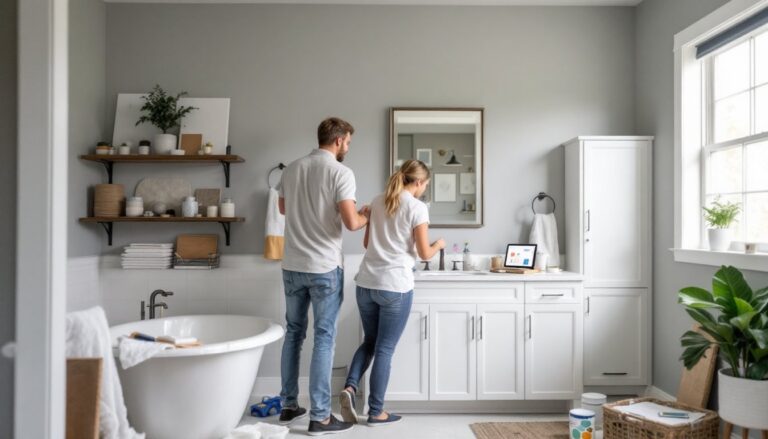


A bathroom renovation doesn’t require a contractor’s budget or a six-month timeline. Many homeowners who tackle a DIY bathroom remodel discover they can cut labor costs dramatically, sometimes by 30–50%, while maintaining quality if they plan carefully and know where to allocate their funds. The key is understanding where money actually goes: fixtures, materials, and prep work consume the bulk of any budget, while strategic choices on finishes and sourcing can yield surprising savings. This guide breaks down realistic costs for a DIY bathroom reno in 2026, shows you where to invest and where to compromise, and reveals the hidden expenses that catch most DIYers off guard.
Key Takeaways
- DIY bathroom remodels typically cost $3,000–$25,000 depending on scope, saving homeowners 30–50% in labor costs compared to hiring contractors.
- Materials consume 60–75% of your DIY bathroom remodel budget, with fixtures, flooring, and tile being the largest expenses—plan a materials inventory before shopping to avoid surprises.
- Cut costs effectively by salvaging existing elements, sourcing materials from tile warehouses and online retailers (20–40% cheaper than big-box stores), and doing cosmetic work yourself while outsourcing licensed plumbing and electrical.
- Set aside 10–15% of your materials budget ($500–$1,500) as a contingency for hidden expenses like structural damage, soft subfloors, or permit-related issues that catch most DIYers off guard.
- Invest in waterproofing, quality ventilation, and proper grouting ($200–$400)—these prevent silent water damage that costs far more to fix later than prevention costs upfront.
Average Cost Range for a DIY Bathroom Remodel
A modest DIY bathroom remodel typically runs $3,000–$8,000 for a half-bath or small full-bath upgrade: mid-range projects land around $8,000–$15,000: and comprehensive renovations with structural changes, high-end fixtures, and custom finishes can reach $15,000–$25,000+. These figures assume you’re supplying the labor and accounting only for materials, permits, and any professional work you outsource (plumbing, electrical).
The wide range reflects real-world variables: your home’s existing layout, material choices, geographic material costs, and how much structural or code work the space needs. A straightforward cosmetic refresh, new vanity, flooring, paint, mirror, and lighting, might land at the lower end, while removing a wall, relocating plumbing, or installing heated floors pushes you higher. According to recent bathroom remodel cost data from HomeAdvisor, the national average for hired renovation hovers around $10,000–$18,000, so a DIY approach with contractor backup for licensed work can still save 20–40% versus full delegation.
Materials: Where Your Budget Really Goes
Materials consume 60–75% of a DIY bathroom remodel budget. Breaking that into core categories helps you allocate wisely and avoid surprises. Start with a materials inventory before shopping: this prevents overbuying and clarifies what actually fits your space and code requirements.
Fixtures and Plumbing Essentials
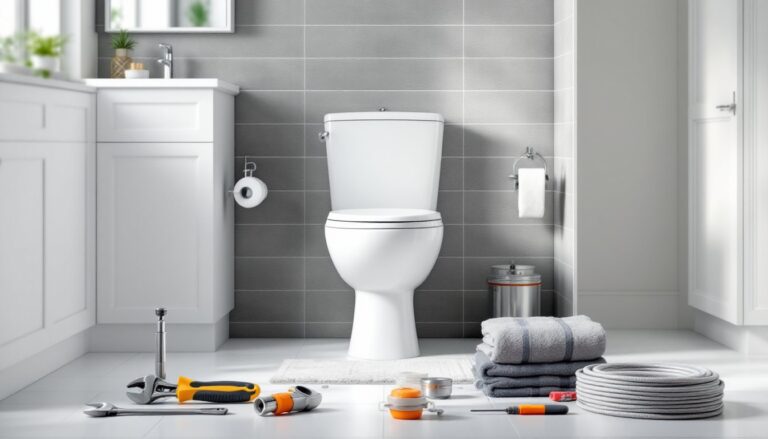
The vanity, toilet, faucet, and sink typically account for $1,200–$3,500 of your budget. A solid mid-range 24- to 30-inch vanity with a cultured marble or quartz top runs $400–$800: a quality one-handle or two-handle faucet costs $150–$400: a standard gravity-fed or dual-flush toilet is $200–$500: and a mirror with integrated lighting adds another $150–$400. If you’re keeping existing plumbing rough-ins (supply lines and drain stacks in place), you’ll save thousands in labor and code inspections. Moving a toilet, sink, or shower requires new supply and waste lines, work that often demands a licensed plumber and permits, pushing costs up quickly.
Shower and tub fixtures round out plumbing: a basic showerhead and valve assembly run $100–$300, while a freestanding or built-in tub ranges from $400 (simple acrylic) to $2,000+ (soaking tubs or whirlpools). For a full bathroom with a shower/tub combo, budget $800–$2,000 for the fixture package alone before installation.
Flooring, Tile, and Wall Finishes
Flooring and wall tile often surprise DIYers with cost: $1,500–$4,000 for a 40–80 square foot bathroom is realistic. Ceramic tile runs $2–$15 per square foot installed (materials + labor if you hire), while porcelain (more durable, better for wet areas) sits at $3–$20 per square foot. Luxury vinyl plank (LVP), a popular budget-friendly option, costs $1–$5 per square foot and doesn’t require grout sealing. Whatever you choose, factor in grout, sealant, thinset mortar, and underlayment, these add another $200–$500 and are non-negotiable for a watertight install.
Wall finishes above the tile or wainscot depend on moisture control. Paint in a bathroom demands mildew-resistant primer and semi-gloss or satin finish paint (about $40–$60 per gallon): you’ll typically need 2–3 gallons for a full bath. If you’re tiling the entire walls or a large shower surround, material costs climb. Beadboard, shiplap, or other decorative wall treatments add $200–$800 depending on material grade and coverage. Pro tip: do a moisture check before choosing wall finishes: moisture behind walls is silent destruction and far costlier to fix later than preventing it upfront.
Smart Ways to Cut Costs Without Sacrificing Quality
Savvy material sourcing and strategic decisions can shave $1,000–$3,000 off a remodel budget. Start by salvaging or reusing what works: if your current vanity has good bones and plumbing rough-ins are in decent spots, refinishing or refacing is cheaper than replacement. Pairing a mid-range vanity with a less-expensive faucet, or vice versa, lets you splurge where you’ll notice it most. Many DIYers regret cheaping out on the toilet or faucet: these see daily use and cheap versions leak or fail within 3–5 years.
Material sourcing matters heavily. Big-box stores offer convenience but often charge 15–30% premiums: online retailers, tile warehouses, and floor salvage shops frequently undercut by 20–40%. A comprehensive bathroom remodel budget guide from Remodelista details how strategic material choices, like opting for subway tile over intricate mosaics, or simple beadboard over custom millwork, preserve the look while cutting labor and material cost significantly.
DIY what you can confidently do, and outsource licensed work. Painting, demo, simple tile work, and vanity installation are achievable for a handy homeowner with basic tools. Plumbing and electrical need a licensed pro in most jurisdictions: attempting these risks code violations, failed inspections, and expensive repairs. A single unpermitted rough-in that an inspector catches during drywall framing can cost $500+ to remediate and delay your project weeks.
Hidden Expenses and Budget Contingencies
Permits, inspections, and unforeseen conditions consume $500–$2,000 that many first-time DIYers overlook. A bathroom permit (required in most jurisdictions for plumbing, electrical, or structural work) typically costs $100–$400 and includes one or more inspections. Some contractors bundle this: if you’re DIYing, expect to handle it yourself, and it buys you protection. A failed inspection is frustrating, but it’s better than discovering code violations after closing or during a future sale.
Structural surprises hit hard: soft subfloor (from undetected water damage), mold behind walls, plumbing or electrical in unexpected spots, or asbestos in old flooring require professional remediation. Set aside 10–15% of your materials budget as a contingency, roughly $500–$1,500 for a mid-range remodel. Running into soft subfloor requiring joist replacement or discovering you need new supply lines can consume that buffer fast.
Tool rental or purchase adds up too. If you don’t own a tile wet saw ($150–$400 rental per week), a grout float set, knee pads, or a few specialty bits, these can total $200–$600. Renting is smart for one-time tools: buying makes sense if you’ll reuse them. Finally, drywall, tape, compound, and primer for patching or finishing walls, easily $150–$400, are often forgotten in initial budgets.
Water damage prevention isn’t an expense to cut. A quality waterproof membrane behind shower tile, proper ventilation (a qualified exhaust fan vent to exterior, not the attic), and adequate grout sealing prevent costly damage later. These add $200–$400 but protect years of work.
Conclusion
A DIY bathroom renovation offers real savings when you’re realistic about costs, respectful of your skill limits, and willing to invest in prep work and permits. Smart sourcing, careful planning, and knowing when to hire a pro keep budgets on track and outcomes quality. Your best remodel is one completed well within your skill set and budget, not one that burns out halfway through or fails inspection. With this cost breakdown in hand, you’re positioned to make confident decisions and deliver a bathroom upgrade your household will genuinely use and enjoy for years to come.