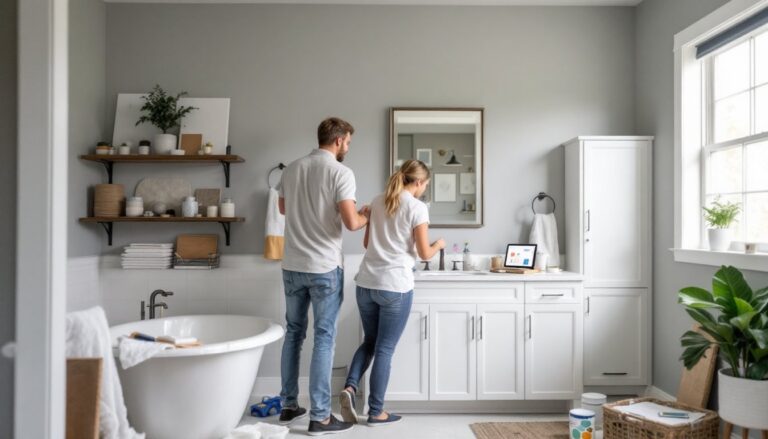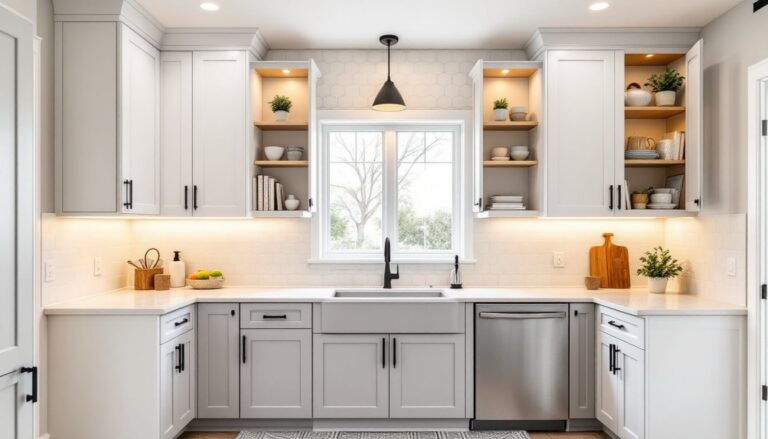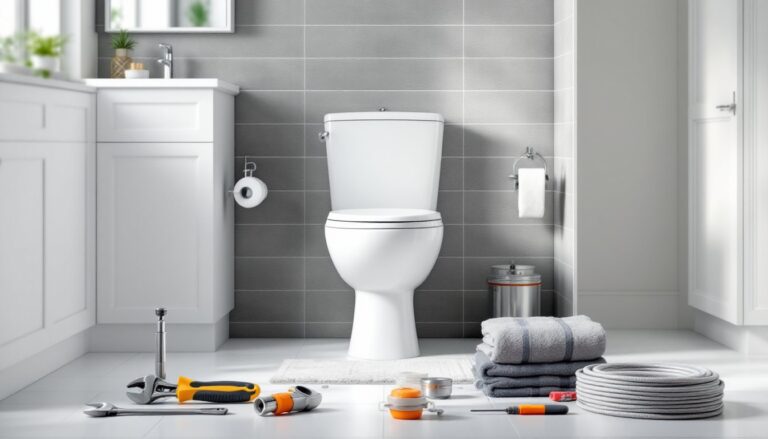

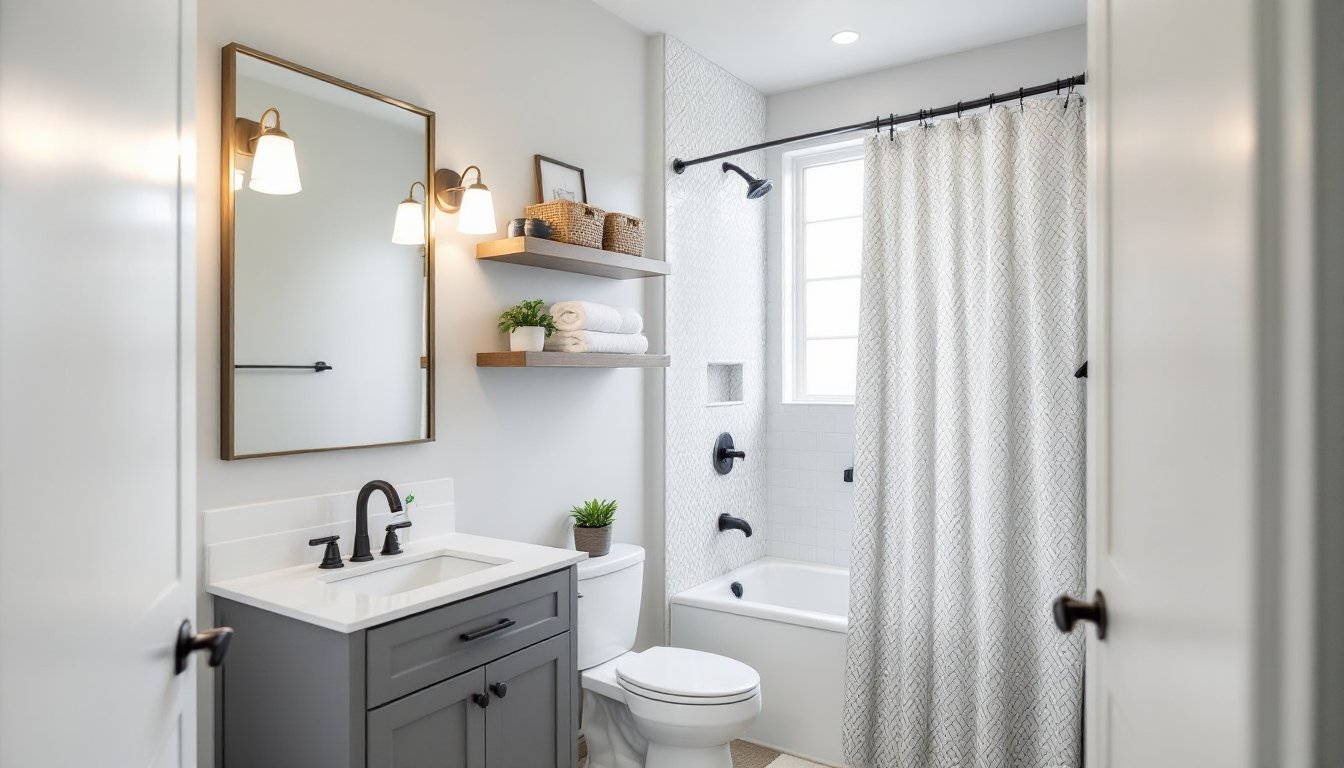
A small bathroom doesn’t have to feel cramped or outdated. With smart planning and targeted upgrades, you can transform even the tightest space into a refreshed, functional room without very costly. The key to an affordable small bathroom makeover is prioritizing high-impact changes: paint, lighting, storage, and fixture updates. Unlike a full renovation, a strategic DIY bathroom reno focuses on visible improvements that make the biggest visual difference. Whether you’re working with a powder room, a guest bath, or a compact master bathroom, these budget-friendly small bathroom remodel ideas prove that transformation doesn’t require professional contractors or massive investment.
Key Takeaways
- Small bathroom makeover ideas prioritize high-impact changes like paint, lighting, and storage that deliver visual transformation without expensive contractor costs.
- Light, neutral paint colors and energy-efficient LED lighting are the fastest, cheapest ways to make a small bathroom feel larger and more refreshed.
- Smart vertical storage solutions like floating shelves, wall-mounted vanities, and over-the-door racks maximize functionality while freeing up precious floor space.
- Replacing visible fixtures—faucets, showerheads, and hardware—instantly modernizes a dated bathroom for $100–300 and requires only basic DIY skills.
- Peel-and-stick vinyl tiles and targeted feature walls eliminate the $800+ cost of full retiling while still delivering fresh, intentional design.
- Layering affordable textiles, décor, and coordinated hardware creates a curated, spa-like aesthetic that completes a budget-friendly small bathroom remodel.
Start With Paint and Lighting Upgrades
Paint is the fastest, cheapest way to breathe new life into a small bathroom. Light, neutral colors, soft whites, pale grays, soft beiges, reflect light and make the space feel airier and larger. Don’t just paint walls: include the ceiling (light shades expand perceived height) and even the vanity cabinet for a coordinated, updated look.
Choose moisture- and mildew-resistant paint formulated for bathrooms: standard interior paint fails in humid conditions and peels within months. Semi-gloss or satin finishes shed moisture better than flat finishes. One gallon typically covers 350–400 square feet, so a small bathroom usually needs just one or two gallons.
Skip full tile replacement and instead limit tile to moisture-prone zones, inside the shower surround and directly behind the sink. This reduces both material and labor costs dramatically. Tiling just the splash zone looks intentional, not unfinished.
Lighting transforms a gloomy bathroom instantly. Swap old incandescent or fluorescent bulbs for bright, energy-efficient LED bulbs in warm white (2700K) for a softer, spa-like feel or cool white (4000K) if you prefer task lighting. If hardwiring new fixtures is costly or requires an electrician, add inexpensive plug-in or stick-on vanity lights on either side of the mirror: they provide even, flattering illumination and cost $20–60 per fixture. Replace just the main overhead fixture (if it’s dated) rather than rewiring the entire room.
Make Smart Storage Solutions Work Harder
Clutter makes small bathrooms feel even smaller. Open shelving, corner shelves, and ladder racks offer visual lightness compared to heavy cabinets, and they cost far less. Wall-mounted hooks for towels and robes free up floor space and add a decorative touch.
Maximize under-sink storage with stackable baskets or rolling carts, they corral items and slide out easily for access. Drawer organizers, magnetic strips for metal grooming tools, and over-the-door racks turn dead space into functional storage without new construction.
When considering a DIY bathroom renovation that includes storage, think vertical before horizontal. Floating shelves above the toilet, behind a door, or in any corner add real storage without consuming precious floor square footage. A tall, narrow floor cabinet or stacked baskets suit compact layouts better than a sprawling vanity with deep drawers.
Maximize Vertical Space With Wall-Mounted Options
Install floating shelves (1–2 shelves, 24–36 inches wide) above the toilet tank: they’re sturdy enough for towels, baskets, and decorative items. Use a stud finder to locate wall studs and anchor shelves securely with toggle bolts or wall anchors rated for at least 25–30 pounds per shelf.
Wall-mounted vanities free up floor area, making the room feel more open. If a full vanity swap isn’t feasible, consider a compact corner sink or pedestal model to reduce visual bulk. Wall-mounted cabinets (24–30 inches wide) or tall, narrow shelving units fit awkward corners and hold a surprising amount of storage. Recessed medicine cabinets are another space-saving option if you have a stud bay to work with, they sit flush with the wall, saving a few crucial inches.
Replace Fixtures and Hardware on a Budget
Outdated faucets, showerheads, and drawer pulls scream “old bathroom” instantly. Swapping them transforms the room for a fraction of a full renovation. Modern finishes, brushed nickel, matte black, or chrome, feel current and coordinate easily.
Buy multi-packs of hardware to cut per-unit cost (e.g., a 10-pack of drawer pulls often costs less than buying individually). Replace visible trim like faucet spouts, handles, and escutcheons (decorative flanges around the valve stem) while keeping the underlying valve and rough plumbing intact, as long as they’re sound and not leaking.
A new showerhead costs $15–50 and installs in seconds, just unscrew the old one and wrap new threads with plumber’s tape to prevent leaks. Water-efficient showerheads (1.5–2.0 gallons per minute) also reduce water bills. A faucet swap takes slightly longer but remains a weekend DIY project if you’re comfortable with basic plumbing. Turn off the water supply, disconnect the old faucet, and install the new one following the manufacturer’s instructions.
For a modest investment ($100–300), you can replace a dated faucet set, all drawer and door hardware, and a showerhead, completely refreshing the fixture aesthetic without touching walls, floors, or the tub itself. Look for diy bathroom renovation guides if you need step-by-step wiring or plumbing instruction.
Refresh Flooring and Walls Without Full Replacement
Retiling a small bathroom costs $800–1,500+ in materials and labor. Peel-and-stick vinyl tiles ($0.50–2.00 per tile) offer a fast, reversible update over sound existing floors. Ensure the existing floor is clean, dry, and level: any moisture or loose tiles underneath will ruin the adhesive. If the current floor is slightly uneven, lightly sand high spots and fill low areas with self-leveling compound.
Layering textured or patterned vinyl over a neutral base creates visual interest without the cost or permanence of traditional tile. Grout lines in peel-and-stick varieties mimic real tile closely, and modern designs include waterproof options rated for wet areas.
Instead of retiling all walls, create a single tile or paint feature wall behind the sink or as a shower accent. This draws the eye, adds personality, and costs just $50–150 in materials. A painted or tiled niche in the shower (24×36 inches) for shelves or décor feels intentional and spa-like without full surround coverage.
Refinishing a worn but structurally sound tub, sink, or existing tile grout extends life and refreshes appearance. Tub reglazing ($300–500) smooths chips, restores shine, and lasts 5–10 years. Grout sealing ($0.50–1.00 per linear foot) prevents stains and mildew. These partial updates work well for diy bathroom remodel budgets when full replacement isn’t feasible.
Add Style Through Affordable Decor and Textiles
Paint and fixtures set the stage: textiles and décor bring personality. A fabric shower curtain ($20–60) in a bold pattern or solid color anchors the room’s design. Pair it with an accent rug (washable, non-slip backing essential for safety) and coordinating towels to tie colors together cohesively.
Hang moisture-resistant artwork or create a small gallery wall of prints in budget frames. Many homeowners discover that 15 stylish water closet design principles, layered lighting, textured accessories, and curated styling, apply equally to compact bathrooms. Low-maintenance plants like pothos, snake plants, or small ferns thrive in bathroom humidity and add greenery in budget planters ($5–15). Place them on shelves, window sills, or hanging planters to avoid floor clutter.
Steal inspiration from design sites like Young House Love, which features countless budget-friendly bathroom makeovers with detailed before-and-afters. Their approach emphasizes small, high-impact changes over expensive renovations.
Coordinated hardware finishes, a cohesive color palette, and minimal but intentional styling elevate the space without requiring major construction. Budget-friendly doesn’t mean sparse or cheap-looking: thoughtful curation and functional storage make even tight quarters feel curated and intentional.
Conclusion
Transforming a small bathroom on a budget is entirely achievable. Start with paint and lighting to brighten and refresh. Layer in smart storage solutions and vertical wall use to eliminate clutter. Replace visible fixtures and hardware for a modern feel, then refresh flooring and walls with selective updates rather than full replacement. Finish with affordable textiles and décor that tie the design together. By combining these targeted upgrades, you’ll create a small bathroom that feels spacious, functional, and intentionally styled, all without the contractor costs or timeline of a traditional renovation.